
Flowers
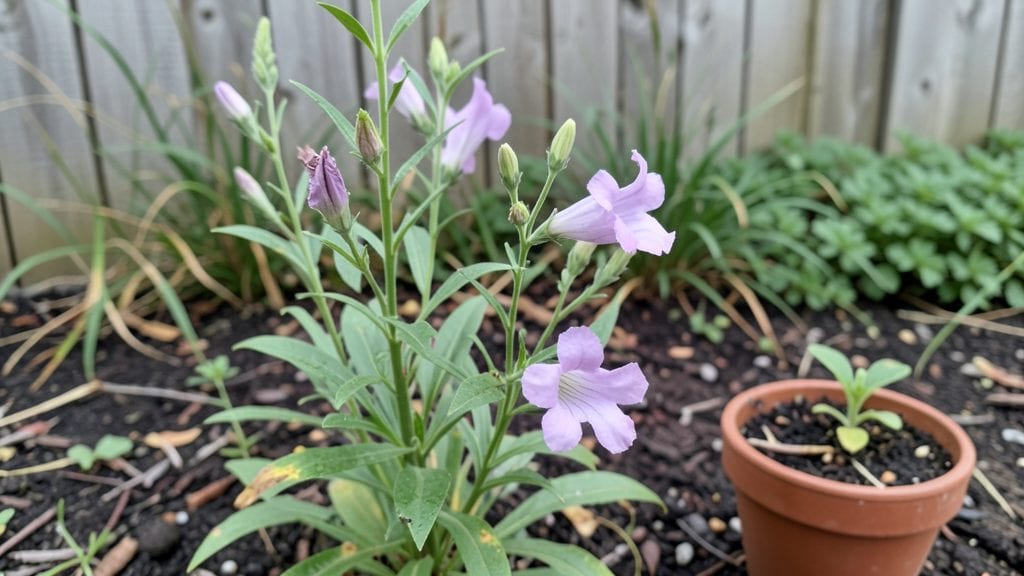
Eustoma is not a perennial in most climates, since freezing temperatures kill it back to the ground each winter, requiring annual replanting. Only in warmer USDA zones 9-11 can it behave as a short-lived perennial with proper winter protection.
Eustoma's behavior depends entirely on your growing zone. In colder regions, it thrives as a tender annual, completing its full life cycle in one season before frost kills it. 🌱 The key difference in warmer zones is how it handles winter—whether through self-seeding or careful overwintering.
I've seen gardeners in zone 10 keep their plants alive for 2-3 years with heavy mulch and shade cloth during cold snaps, though true perennial status is rare even there.
What's fascinating is how eustoma adapts: in mild winters, it may drop its foliage but resprout from the base, while in harsh climates, it behaves like a true annual.
The plant's native habitat in Mexico's highlands gives it some cold tolerance, but most commercial varieties are bred for summer color rather than winter hardiness.
💡 In This Article
- Eustoma's Lifespan: Annual vs Perennial Behavior by Climate
- Extending Eustoma's Season: Overwintering Tips for Gardeners
Eustoma's lifespan: annual vs perennial behavior by climate
Eustoma's survival strategy shifts dramatically based on winter temperatures. In USDA zones 7 and colder, its delicate stems and leaves freeze at 28°F or below, killing the plant entirely.
This triggers its annual lifecycle: seeds germinate in spring, plants bolt to 18-24 inches tall by summer, flower profusely, then die when frost arrives. The plant's native Mexican highlands (zones 9-11) give it some cold tolerance, but commercial varieties prioritize summer blooms over winter hardiness.
What changes in warmer climates? In zones 9-11, eustoma may enter a semi-dormant state during mild winters (35-40°F nights). The plant sheds leaves but keeps its root crown alive, similar to how salvia behaves.
Some varieties self-seed aggressively, creating volunteer plants that emerge in spring without replanting. This "short-lived perennial" behavior occurs when winter lows stay above 25°F for extended periods—just 5°F colder would kill it.
The key difference lies in its growth cycle timing. Annual eustoma completes its entire 60-90 day bloom cycle in one season, while potential perennials may stretch this to 2-3 years with proper care.
Gardeners in zone 10 report seeing the same plants return for two summers if protected with 4-6 inches of mulch during winter. The trade-off? Perennial eustoma often produces fewer blooms than annuals, as energy goes toward root survival.
Here's what's actually happening biologically: eustoma stores minimal starch in its roots compared to true perennials like peonies. Instead, it relies on rapid regrowth from seed or basal shoots when conditions improve.
This explains why even in mild climates, most gardeners treat it as annual—it's more reliable to replant fresh seeds each spring than gamble on winter survival.
Consider these survival strategies by zone:
- Zones 3-6: Always annual—frost kills roots completely
- Zones 7-8: May survive light freezes (25°F) if heavily mulched
- Zones 9-11: Can persist 2+ years with winter protection
What most gardeners don't realize is how quickly eustoma's dormancy triggers. Even in zone 9, a single 20°F night can kill back plants, requiring immediate mulching. This explains why professional growers in warm climates often treat it as annual—consistent winter lows above 30°F are rare even in ideal zones.