
Diseases
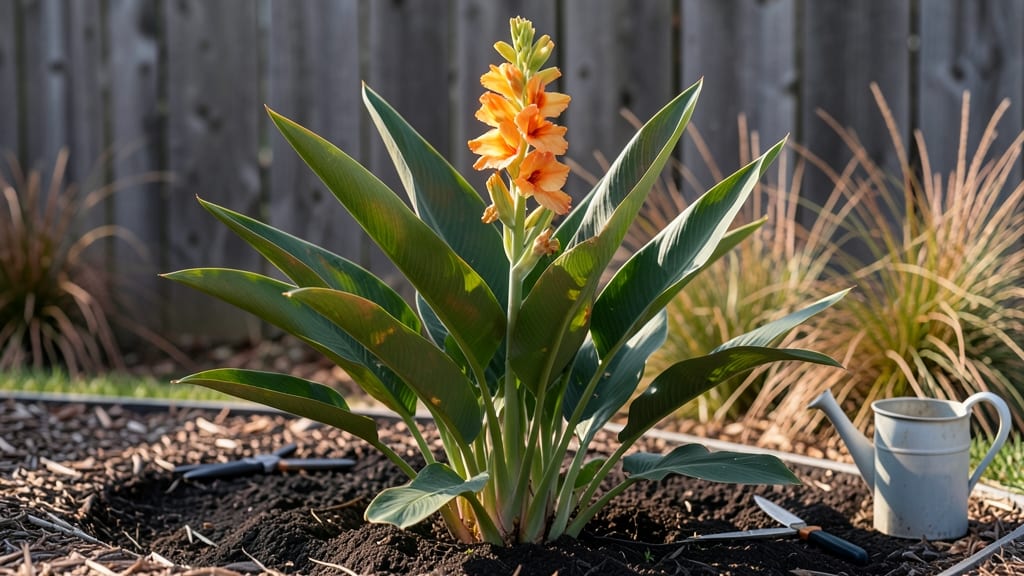
Canna plants are perennial in frost-free zones but require special care in colder climates, where they die back annually and need overwintering protection to regrow each spring. Their hardy tuberous roots store energy for regrowth when temperatures rise.
The canna plant's perennial nature depends entirely on your climate.
In USDA zones 8-11, these tropical beauties thrive year-round, returning reliably each season with minimal effort. 🌱 However, gardeners in cooler regions (zones 7 and below) must treat them as annuals unless they take steps to protect the tubers from winter freezes.
The key to their survival lies in those thick, starchy roots—nature's built-in energy reserves that let them bounce back when conditions improve.
What sets cannas apart is their adaptability. While they won't survive outdoor winters in cold zones, their tuberous roots can last for years in proper storage—some gardeners have successfully overwintered the same tubers for a decade or more.
The secret? Keeping them in a cool (45-55°F), dark, and dry environment until spring planting. This dormancy period actually strengthens the roots, making next year's growth even more vigorous.
💡 In This Article
- Canna Plant Lifecycle and Dormancy Explained
- Overwintering Canna Tubers: Step-by-Step Guide
Canna plant lifecycle and dormancy explained
Here's what's actually happening underground when cannas go dormant: Their thick, starchy tubers act like nature's energy banks, storing carbohydrates produced through photosynthesis during the growing season.
These tubers can swell to 3-5 inches in diameter by fall, packed with enough fuel to sustain regrowth when temperatures rise above 50°F. The dormancy process is triggered by shortening daylight and cooler nights, causing the plant to redirect nutrients from leaves (which die back) into the tubers. 🌱
The science behind this involves a hormonal shift: As temperatures drop, the plant increases production of abscisic acid (ABA), a growth regulator that signals dormancy. This hormone thickens the tuber's protective skin and reduces metabolic activity to 5-10% of normal levels.
What's fascinating is how these tubers maintain viability—some can remain dormant for 3-5 years in ideal storage conditions, though their regrowth vigor declines after 2 years. The energy storage mechanism is similar to how sweet potatoes store starch, but canna tubers have a higher concentration of complex carbohydrates.
In frost-free zones (USDA 8-11), cannas behave as true perennials because the tubers never experience freezing temperatures (28°F or below). The roots remain active year-round, though growth slows dramatically in winter.
This is why you'll see cannas returning reliably in warm climates—they're not just regrowing from stored energy, but continuing their life cycle uninterrupted.
The contrast with colder climates is striking: In zones 7 and below, tubers exposed to freezing will develop ice crystals that rupture their cells, causing irreversible damage. 🥶
Temperature plays the most critical role in breaking dormancy. When soil temperatures consistently reach 60°F in spring, the tubers detect this through specialized cells that respond to warmth. This triggers the production of gibberellins, hormones that stimulate shoot growth.
What most gardeners don't realize is that tubers need this temperature consistency for at least 2-3 weeks before emerging—rushing planting in cooler soil often results in poor germination. The timing difference between warm and cold climates explains why cannas appear perennial in one region but require annual replanting in another.
Consider these key factors when evaluating canna's perennial behavior in your area:
- Minimum winter temperatures: Tubers survive down to 25°F for short periods but suffer damage at 20°F or below
- Daylength sensitivity: Needs 12+ hours of daylight to break dormancy effectively
- Soil moisture during dormancy: Too wet causes rot; too dry leads to shriveling
- Tuber size at planting: Larger tubers (>2 inches) establish faster than small ones
The most reliable way to determine if cannas will behave perennially in your area is to track your lowest winter temperatures. For example, in zone 7b (where winters dip to 0-5°F), even protected tubers may need supplemental heat during extreme cold snaps.
The good news is that with proper overwintering techniques, you can effectively create perennial behavior anywhere—your cannas just need a temporary indoor vacation during winter months. ✨