
How To
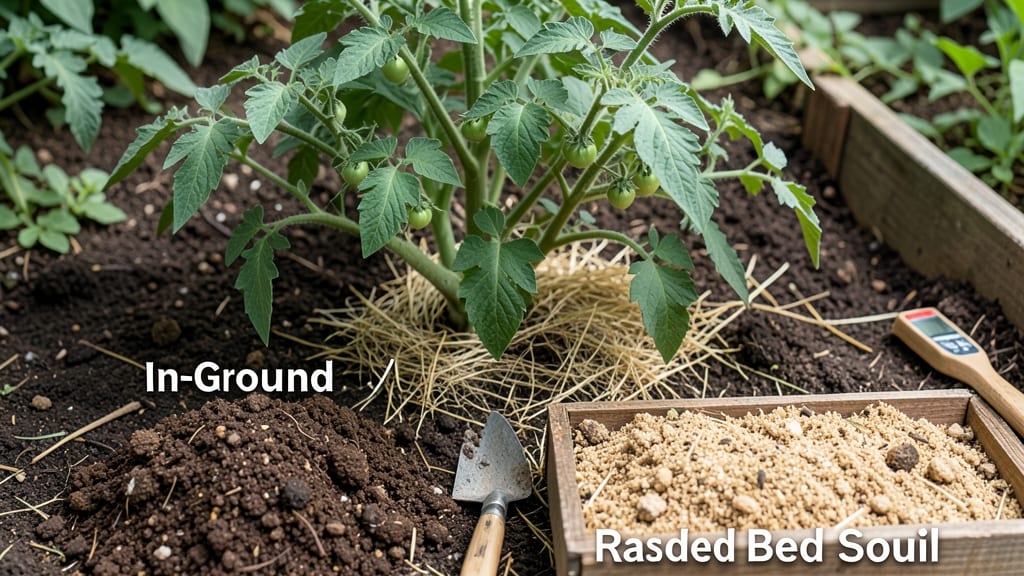
The choice between in-ground vs raised bed soil determines whether your garden thrives or just survives. In-ground vs raised bed soil isn't just about dirt—it's about drainage, temperature, and how plants access nutrients.
I’ve tested both methods, and the right choice depends on your space, plants, and how much work you’re willing to put in. In-ground soil stays cooler in summer and retains moisture longer, but it often needs amending with compost or organic matter to improve drainage and fertility.
Weeds and soil-borne diseases can also be a bigger challenge. Raised beds, on the other hand, warm up faster in spring, drain better, and let you control the soil mix from day one.
You’ll see faster germination and stronger root systems in raised beds, especially for heavy feeders like tomatoes and peppers. In-ground gardens shine with perennials and deep-rooted plants like asparagus or fruit trees, where space isn’t the limiting factor. The best part?
You can combine both—use raised beds for vegetables and in-ground for shrubs or lawn. Here’s how to make either work for your garden.
The first option explained
Option A: In-Ground Soil 🌱🌍
If you're dreaming of a lush, sprawling garden that blends seamlessly with your landscape, in-ground soil is the classic choice for planting. This method involves cultivating plants directly in the natural soil of your yard, where roots can spread freely and interact with the earth's existing ecosystem.
Here’s what makes it a timeless favorite for many gardeners:
🔹 Key Characteristics
- Natural Composition: Uses the existing soil in your yard, which may include a mix of clay, sand, silt, or loam, depending on your region.
- Depth and Space: Offers unlimited depth for root systems, ideal for large plants like fruit trees, shrubs, and deep-rooted vegetables.
- Cost-Effective: Requires minimal upfront investment—no need to buy or build containers.
- Integration with Landscape: Creates a cohesive look with your yard, perfect for perennial gardens or naturalistic plantings.
🔹 Benefits
- Better for Large-Scale Planting: Ideal for vegetable gardens, lawns, or flower beds that require extensive space.
- Natural Soil Ecosystem: Supports beneficial microbes, earthworms, and fungi that improve soil health over time.
- Lower Maintenance for Established Gardens: Once set up, in-ground soil requires less frequent soil amendments compared to raised beds.
- Environmentally Friendly: Reduces the need for synthetic materials and aligns with natural gardening practices.
🔹 Typical Use Cases
In-ground soil shines in scenarios where space, budget, or long-term sustainability are priorities. It’s especially well-suited for:
- 🍅 Vegetable Gardens: Perfect for row crops like corn, potatoes, or squash that need room to sprawl.
- 🌳 Perennial Beds: Ideal for shrubs, flowers, or ground covers that thrive in undisturbed soil.
- 🏡 Landscaping Projects: Creates a seamless transition between garden and lawn, enhancing curb appeal.
- 🌿 Organic Farming: Encourages natural soil fertility and reduces erosion over large areas.
Pro Tip: 💡 Before planting, test your soil’s pH and nutrient levels—amendments like compost or lime may be needed to optimize growth!
The second option explained
Option B: Raised Bed Soil 🌱✨
Raised bed gardens are a game-changer for gardeners who crave control over their growing environment—especially when it comes to soil. Unlike in-ground plots, raised beds allow you to custom-build your soil mix from scratch, tailoring it to your plants' needs.
This means better drainage, nutrient retention, and fewer weeds or soil-borne diseases. Let’s dive into why raised bed soil stands out!
🔍 Key Characteristics
- Customizable Soil Composition: Mix organic matter (compost, leaf mold), topsoil, and amendments like perlite or coconut coir to achieve ideal texture and fertility.
- Superior Drainage: Raised beds warm up faster in spring and drain excess water efficiently, reducing root rot risks.
- Warmer Soil: Sun exposure heats the soil quicker, extending growing seasons for cool-weather crops.
- Reduced Compaction: No heavy foot traffic means fluffy, aerated soil that roots love.
🌟 Top Benefits
- Faster Plant Growth: Well-draining, nutrient-rich soil boosts root development and yields.
- Weed & Pest Control: Elevated edges deter weeds, and fewer soil-borne pests thrive in fresh mixes.
- Accessibility: Ideal for gardeners with mobility challenges or small spaces.
- Year-Round Use: Can be filled with seasonal soil blends for optimal conditions.
🌿 Typical Use Cases
Raised bed soil shines in these scenarios:
| Scenario | Why It Works |
|---|---|
| Urban or Small-Yard Gardening | Maximizes space and soil quality without digging. |
| Heavy or Clay Soil Areas | Overcomes poor native soil with a perfect growing medium. |
| Vegetable & Herb Gardens | Ideal for nutrient-hungry crops like tomatoes, peppers, and leafy greens. |
| Container-Like Planting | Great for root crops (carrots, potatoes) or delicate perennials. |
Pro Tip: 💡 For long-term success, top off raised beds with 1–2 inches of compost annually to maintain fertility!
Key differences
Choosing between in-ground and raised bed gardening isn’t just about aesthetics—it’s about how soil behaves, how plants grow, and how much effort you’re willing to put in. Below, we break down the between the two options to help you make an informed decision.
🌱 Soil Composition & Control
Raised beds give you total control over soil quality. You can mix in compost, organic matter, and nutrients exactly how you want, creating a custom blend tailored to your plants.
In-ground soil, on the other hand, relies on what’s already in the earth—often a mix of native clay, sand, or loam. While you can amend it, it may require more work to achieve the ideal texture and fertility.
💧 Drainage & Water Retention
Raised beds drain faster than in-ground soil because they’re elevated, reducing waterlogging risks. However, they can also dry out quicker, meaning you may need to water more frequently. In-ground soil tends to retain moisture longer (especially in clay-heavy areas) but can suffer from poor drainage if compacted or poorly structured.
🍽️ Nutrient Availability & Root Growth
Raised beds warm up sooner in spring, giving plants a head start. Their controlled soil mix also means nutrients are more accessible to roots. In-ground soil, however, may have deeper nutrient layers over time, benefiting plants with extensive root systems (like fruit trees or perennials).
But if your native soil is nutrient-poor, in-ground gardens might require more fertilization.
🐛 Pest & Weed Management
Raised beds naturally deter some pests (like burrowing rodents) and make weeds easier to pull. In-ground gardens, however, may face more competition from invasive plants and critters like gophers or grubs. That said, both can benefit from mulching and organic pest control—it just depends on your local ecosystem.
⏳ Long-Term Maintenance
Raised beds require less tilling over time since their soil structure stays intact. In-ground gardens may compact or erode, needing occasional aeration or topsoil additions. However, in-ground plots can be more cost-effective for large-scale planting if you’re not starting from scratch.
💰 Cost & Setup Effort
Raised beds demand an upfront investment in materials (wood, hardware cloth, etc.) and soil amendments. In-ground gardening is cheaper initially but may require tools (like rototillers) and ongoing soil testing to optimize conditions. For small spaces or urban gardens, raised beds win in convenience.
When to choose which
Choosing between in-ground and raised bed soil depends on your gardening goals, climate, and available resources. Here’s when each option shines:
🌱 Opt for In-Ground Soil When:
- You have heavy, clay-heavy, or compacted soil: In-ground beds allow you to amend soil over time with compost and organic matter, improving long-term drainage and fertility. 💡 Pro tip: Test your soil first!
- You’re planting large, deep-rooted crops: Trees, shrubs, and perennials thrive in in-ground soil, where roots can spread naturally without container restrictions.
- Budget or space is limited: No need for extra materials—just till and enrich the existing soil.
- You’re in a humid or rainy climate: In-ground soil retains moisture better, reducing the need for frequent watering.
🏡 Choose Raised Beds When:
- Your soil is poor, rocky, or contaminated: Raised beds let you create a custom, nutrient-rich growing medium from scratch. ✨ Perfect for urban or polluted areas!
- You want better drainage or control over soil mix: Ideal for sandy soils or areas prone to waterlogging—just adjust the soil blend to your plants’ needs.
- You’re gardening in a small space or on a slope: Raised beds maximize vertical growth and prevent erosion.
- You prioritize early-season planting: Raised beds warm up faster in spring, giving you a head start on the growing season.
- You’re dealing with pests or weeds: Elevated beds reduce soil-borne issues and make it easier to mulch or use barriers.
Need flexibility? Some gardeners use a hybrid approach—raised beds for veggies and flowers, with in-ground planting for trees or perennials. The best choice depends on your unique setup! 🌿
The bottom line
Choosing between in-ground vs raised bed soil boils down to your garden’s needs, effort level, and long-term goals. In-ground soil offers natural, cost-effective growing conditions with deep roots and seasonal stability, while raised beds provide better drainage, warmer soil, and customizable nutrients—perfect for beginners or challenging climates. 🌱
Quick Decision Guide:
- Pick in-ground soil if you have fertile native soil and want low-maintenance, large-scale planting.
- Opt for raised beds if you need control over soil quality, drainage, or accessibility (or have poor soil).
Test your soil, observe your plants, and adapt! Whether you dig deep or build up, the right soil sets the stage for a thriving garden. 🌿