
How To
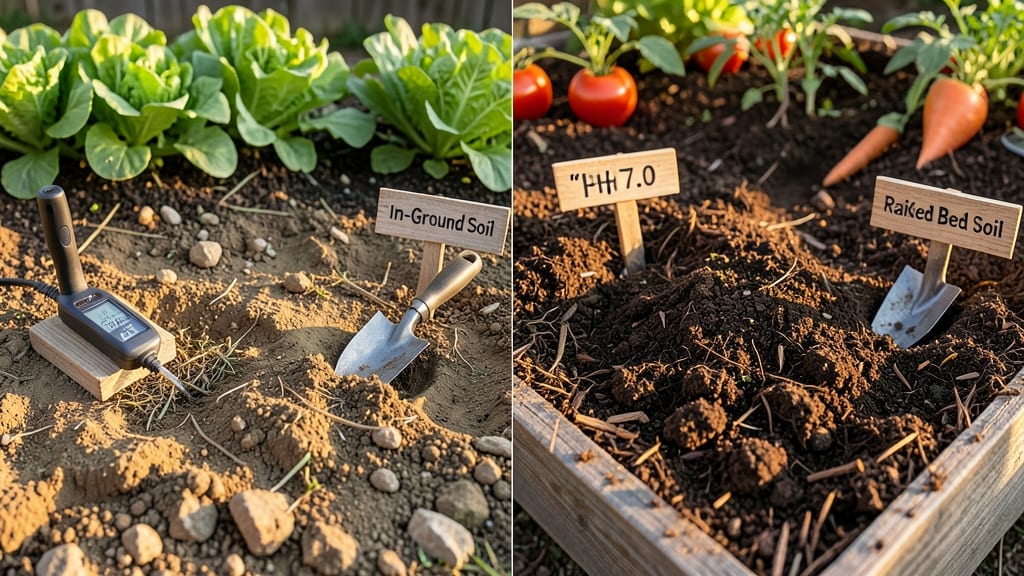
The choice between in-ground soil and raised bed soil can mean the difference between a garden that thrives and one that merely survives. In-ground soil works when you've got deep, fertile native soil and patience for amendments.
The roots spread freely, but compaction, weeds, and soil-borne diseases can turn your plot into a battleground. Raised beds, on the other hand, give you control—better drainage, warmer soil in spring, and no need to fight the ground's natural quirks.
My heirloom beans and peppers explode with flavor in raised beds where in-ground soil would leave them struggling. What you'll end up with is a garden that matches your goals: deep-rooted perennials in-ground, or rapid growth and clean harvests in raised beds.
The key is understanding each method's hidden strengths—like how raised beds warm up faster in cool climates or how in-ground soil can support massive root systems for fruit trees. For most gardeners, the answer isn't either/or but strategic placement—heavy feeders in raised beds, deep-rooted plants in-ground.
Let's break down what each option really delivers so you can make the choice that fits your space and ambitions.
The first option explained
Option A: In-Ground Soil 🌱🌍
In-ground soil is the classic choice for gardening, offering a natural, low-maintenance way to grow plants right where they belong—deep in the earth. This method leverages the existing soil composition of your yard, which can be rich in organic matter, microbial life, and natural nutrients over time.
Key Characteristics
- Natural composition: Uses the native soil of your property, which may already contain beneficial minerals and organic material.
- Cost-effective: No need to purchase or build raised beds—just till and amend the existing soil.
- Deep root access: Plants can spread their roots extensively, accessing water and nutrients from a larger volume of soil.
- Seasonal variations: Soil temperature and moisture fluctuate more with weather changes, which can be a pro or con depending on your climate.
Benefits
- Eco-friendly: Minimal disruption to the natural environment and existing ecosystems.
- Ideal for perennials and deep-rooted plants: Such as fruit trees, shrubs, and asparagus, which thrive with ample root space.
- Less material waste: No need for wood, fabric, or other bed-building materials.
Typical Use Cases
In-ground soil is perfect for:
- Large-scale vegetable gardens (e.g., corn, potatoes, squash).
- Fruit and nut trees (e.g., apples, peaches, walnuts).
- Perennial flowers and shrubs that benefit from long-term root establishment.
- Gardens in areas with naturally fertile, well-draining soil.
Pro tip: 💡 If your in-ground soil is heavy clay or sandy, consider amending it with compost or organic matter to improve texture and fertility before planting!
The second option explained
Option B: Raised Bed Soil – The Elevated Gardening Advantage 🌱✨
If you’re dreaming of a low-maintenance, high-yield garden with faster plant growth and better control over soil quality, raised bed soil might be your secret weapon.
Unlike in-ground soil, raised beds are custom-built containers (usually wooden, metal, or composite) filled with a tailor-made soil mix designed for optimal drainage, aeration, and nutrient retention.
🔥 Key Characteristics of Raised Bed Soil
- Custom Soil Blend: Typically a mix of topsoil, compost, peat moss, perlite, and vermiculite for perfect moisture and nutrient balance.
- Superior Drainage: Prevents waterlogging, reducing root rot risks and speeding up growth.
- Warmer Soil: Heats up faster in spring, giving plants a head start on the growing season.
- Weed & Pest Control: Elevated edges discourage weeds, and fewer soil-borne pests thrive in fresh, amended soil.
- No Compaction: Unlike walked-on in-ground soil, raised beds stay fluffy and fertile year-round.
💪 Benefits That’ll Make You Switch
Raised beds are a game-changer for gardeners who want:
- Faster Harvests: Plants grow 20-30% quicker due to ideal soil conditions.
- Easier Accessibility: No more bending or kneeling—perfect for back-friendly gardening!
- Higher Yields: Deep root zones (12"+) support bigger, healthier plants.
- Year-Round Use: Extend growing seasons with protection from frost and erosion.
- Soil Customization: Adjust pH, fertility, and texture to match any plant’s needs.
🌿 Typical Use Cases
Raised beds shine in these scenarios:
- Small Spaces: Urban balconies, patios, or tiny yards can grow big harvests in compact beds.
- Poor or Contaminated Soil: Replace clay-heavy or polluted ground soil with pristine, nutrient-rich mix.
- Vegetable & Herb Gardens: Ideal for leafy greens, tomatoes, peppers, and strawberries.
- Flowers & Pollinator Gardens: Create stunning, low-maintenance displays.
- Accessibility Gardening: Perfect for kids, seniors, or those with mobility challenges.
Pro Tip: 🌡️ Test your soil before filling beds—aim for a mix that’s 60% topsoil, 30% compost, and 10% perlite for the best results!
Key differences
🌱 Soil Composition & Structure
In-ground soil often boasts a natural, diverse composition, blending minerals, organic matter, and microorganisms over decades. However, it can suffer from compaction (especially in clay-heavy areas) or poor drainage.
Raised bed soil, on the other hand, is customizable—you control the mix (e.g., loamy, sandy, or peat-heavy blends) to optimize aeration and root growth. Pro tip: Raised beds let you avoid native soil’s nutrient-depleted layers (💡 learn how to test soil).
💧 Drainage & Moisture Control
In-ground soil’s drainage depends on your location—sandy soils drain too fast, while clay holds water like a sponge.
Raised beds win for consistency: their elevated design prevents waterlogging, and you can amend them with perlite or compost to balance moisture. Key trade-off: Raised beds dry out faster in heatwaves, requiring more frequent watering (⏰).
🌡️ Temperature & Seasonal Stability
In-ground soil absorbs and retains heat from the sun, creating a warmer microclimate—ideal for cold-sensitive crops like tomatoes.
Raised beds, however, heat up and cool down faster (great for early spring planting but risky for tender greens in summer). Solution: Use black landscape fabric or mulch to regulate temps in raised beds (🌡️).
🔄 Nutrient Availability & Fertility
In-ground soil may have hidden nutrient pockets (thanks to decomposing roots and worms), but it often lacks consistent fertility. Raised beds let you layer compost, worm castings, or slow-release fertilizers at planting—giving plants a steady diet of nutrients. Watch out: Raised beds deplete faster and need annual top-ups (🎯).
🛠️ Maintenance & Long-Term Effort
| In-Ground | Raised Bed |
|---|---|
| ✅ Low upfront cost | ❌ Higher initial investment (materials + labor) |
| ❌ Weeding & tilling (time-consuming!) | ✅ Fewer weeds (less surface area for seeds) |
| ❌ Soil erosion risk in rain | ✅ Erosion-proof (protected by frame) |
Bottom line: In-ground soil is hands-off once established, while raised beds demand regular care but reward you with predictable results.
When to choose which
Choosing between in-ground soil and raised bed soil depends on your gardening goals, space, climate, and long-term vision. Here’s when each option shines:
🌱 Opt for In-Ground Soil When:
- You have deep, fertile native soil—ideal for root crops like carrots, potatoes, and sweet potatoes that thrive with space to spread.
- Your garden is large and permanent—in-ground planting reduces material costs and labor over time.
- You’re in a humid or wet climate—natural soil drains better long-term (if amended properly) and resists erosion.
- You want minimal maintenance—once established, in-ground beds require fewer structural upkeep tasks.
🏗️ Choose Raised Beds When:
- Your soil is rocky, clay-heavy, or contaminated—raised beds let you create a custom, nutrient-rich mix from scratch.
- You have limited space or poor drainage—raised beds improve airflow, warmth, and control over moisture.
- You’re a beginner or have mobility challenges—kneeling and tending to plants is easier with elevated beds.
- You want faster harvests—warmer soil in spring jumpstarts growth, and raised beds warm up 2–3 weeks earlier than in-ground plots.
- You’re growing delicate or shallow-rooted plants—like lettuce, strawberries, or herbs—where soil consistency matters.
💡 Pro Tip: If you’re unsure, start with a hybrid approach—use raised beds for high-value crops and in-ground for space-hogging plants like corn or squash!
The bottom line
So, which soil setup is right for your garden? 🌱 Whether you’re drawn to the space-saving, customizable control of raised beds or the natural, cost-effective simplicity of in-ground soil, both have unique perks.
Raised beds shine for urban gardens, poor soil, or high-value crops, while in-ground soil wins for low-maintenance, large-scale planting, and native plant thrivers.
Need to decide? Ask yourself: Do I want to invest in soil prep and drainage, or save time with nature’s default? Either way, happy planting—and may your harvests be bountiful and delicious! 🍅🥕