
Flowers
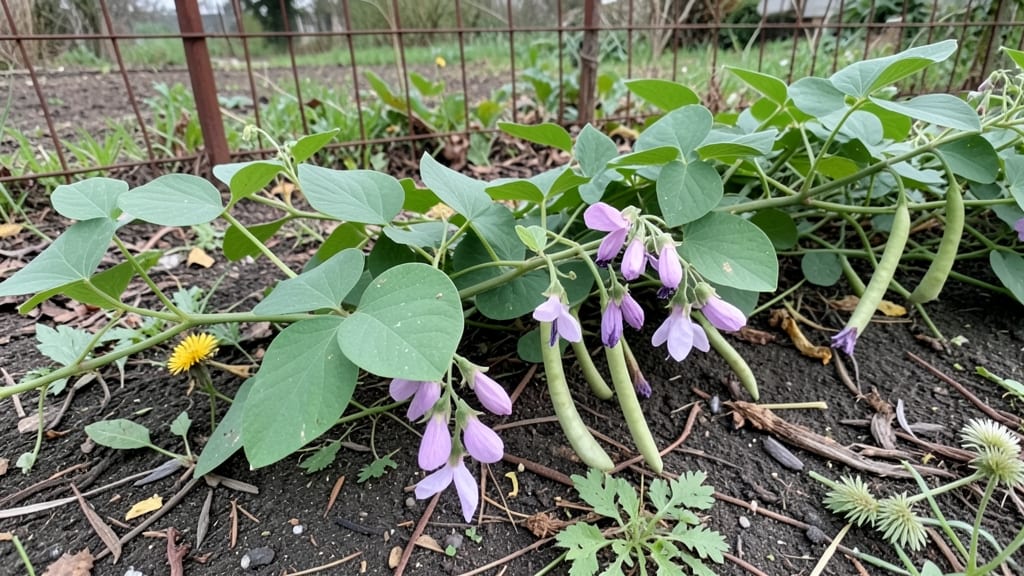
Deciding whether hyacinth bean vine is annual or perennial depends on your climate: it behaves as an annual in most regions, finishing its life cycle in one season, but may self-sow for years. In warmer zones (like USDA 9-11), it can persist as a short-lived perennial with winter protection.
This vine's behavior shifts dramatically based on frost exposure.
In cooler climates, the entire plant dies back each winter, only to regrow from seeds the following spring—a classic annual pattern. 🌱 However, in frost-free areas, the vine can continue growing if given consistent moisture and support, effectively extending its lifespan beyond a single season.
The key difference lies in how well you can protect it through winter: mulching heavily or growing it in containers lets you "trick" it into behaving more like a perennial.
What's fascinating is how this adaptability plays out in gardens. Many growers in marginal climates (like Zone 8) report success by overwintering cuttings indoors or using black plastic mulch to insulate roots.
The vine's ability to self-seed prolifically also means you'll often get "volunteer" plants popping up year after year, even if the parent vine doesn't survive winter—nature's way of ensuring continuity. For gardeners in transitional zones, this dual nature makes hyacinth bean vine particularly rewarding to cultivate.
💡 In This Article
- Hyacinth Bean Vine Growth Stages and Climate Dependence
- Extending Hyacinth Bean Vine's Season with Gardening Tips
Hyacinth bean vine growth stages and climate dependence
The hyacinth bean vine's life cycle unfolds in four distinct stages: seed germination, vegetative growth, flowering, and seed production.
Here's what's actually happening at each stage: seeds germinate within 7-14 days when soil temperatures reach 70-85°F, with the young vines developing a rapid vertical growth rate of 1-2 feet per week once established.
The vine's climbing habit comes from tendrils that coil around supports with remarkable precision, a trait that distinguishes it from similar vines like morning glories.
Flowering typically occurs 8-12 weeks after germination, with clusters of fragrant, trumpet-shaped blooms appearing in shades of white, pink, or lavender. Each flower contains both male and female reproductive parts, though they're self-sterile, meaning cross-pollination between plants is required for seed production.
The vine's flowers emit a sweet, slightly tropical aroma that peaks in late afternoon—this diurnal pattern attracts pollinators like bees and butterflies most effectively. After flowering, pods develop that contain 3-8 seeds each, maturing to a glossy black color over 60-90 days.
The key factor determining whether hyacinth bean vine acts as annual or perennial is frost exposure. In USDA zones 3-8, where winter temperatures drop below 20°F, the entire plant dies back to the ground each year.
The plant's lack of true woody stems means it can't survive freezing temperatures, which is why it behaves as an annual in these regions. However, the seeds remain viable in the soil for 2-3 years, explaining why you often see "volunteer" plants appearing year after year even without replanting.
In warmer climates (USDA zones 9-11), the story changes dramatically. With consistent temperatures above 40°F year-round, the vine can continue growing if given proper care. The plant's ability to persist stems from its deep root system that can reach 3-5 feet below ground, accessing moisture during dry periods.
When protected from frost, the vine may produce multiple flowering cycles in a single season, sometimes even overwintering with minimal dieback if heavily mulched.
What most gardeners don't realize is how temperature affects flowering time. In cooler climates, the vine typically flowers in mid-to-late summer, while in warm zones, you can get blooms as early as spring or as late as fall. This flexibility makes it adaptable to different growing seasons.
The vine's ability to adjust its growth cycle based on temperature is why it thrives in such diverse regions—from the humid subtropical climates of Florida to the Mediterranean-like conditions of Southern California.
Consider these climate-specific growth patterns when planning your garden:
- Cooler climates (Zones 3-8): Plant seeds after last frost (50°F soil temp) for summer blooms; expect complete winter dieback
- Transitional zones (Zone 8-9): Use black plastic mulch to extend season; may survive mild winters with protection
- Warm climates (Zones 9-11): Can grow year-round; may flower multiple times with proper watering
The vine's adaptability makes it a fascinating study in plant resilience. While it may not develop true perennial characteristics like woody growth, its ability to self-seed and persist through multiple growing seasons in favorable conditions blurs the line between annual and perennial classifications. 🌿