
Planting
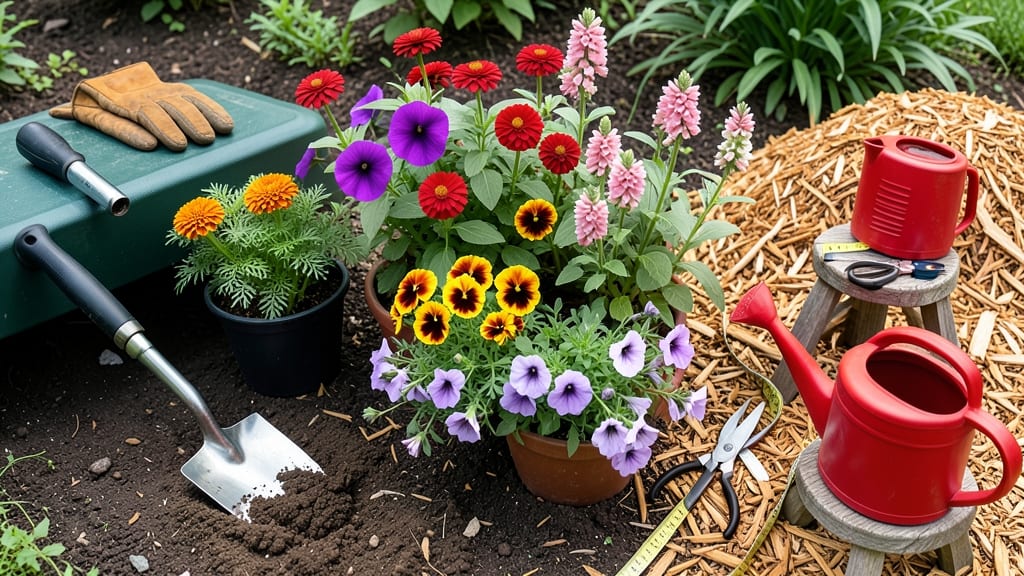
How to plant a flower bed for beginners doesn’t have to be overwhelming—30 minutes of prep can turn a blank space into a vibrant, pollinator-friendly paradise. 🌸 I started with a patch of bare soil and a handful of perennials, and now my yard buzzes with bees and butterflies by early summer. The secret isn’t fancy tools or perfect timing—it’s smart planning and a little patience.
You’ll need basic supplies: gloves, a shovel, a rake, and 1-2 bags of compost to boost soil health. Skip the expensive soil tests—just dig in a few inches of compost, loosen the dirt, and remove weeds or rocks.
For beginners, I recommend hardy perennials (like coneflowers or black-eyed Susans) over annuals—they’ll come back year after year with less fuss.
Once your soil’s ready, arrange plants in odd-numbered groups (3, 5, or 7) for a natural look, and space them 12-24 inches apart depending on their mature size. Water deeply right after planting, then again every 2-3 days until new growth appears.
The first few weeks are critical—keep an eye out for wilting, which usually means overwatering or too much sun.
This method works in any climate—just swap heat-loving plants (like lantana) for cold-hardy ones (like sedum) if you’re in Zone 3. The biggest mistake beginners make is crowding plants or skipping soil prep, but with these steps, your flower bed will thrive from day one. Let’s get started!
📚 In This Guide
- What you need
- Instructions
- Tips and common mistakes
- Wrapping up and next steps
What you need
- ● Garden soil or potting mix – 2–3 cubic yards (depending on bed size; opt for a high-quality, well-draining blend with compost or peat moss).
- ● Organic compost or fertilizer – 5–10 lbs (for nutrient-rich soil; look for a balanced 10-10-10 or slow-release option).
- ● Mulch – 2–3 bags (shredded bark, pine straw, or wood chips to retain moisture and suppress weeds).
- ● Flower seeds or young plants – Quantity based on spacing needs (check seed packets for spacing guidelines; e.g., 12–24 inches apart for perennials).
- ● Garden gloves – 1 pair (nitrile-coated for durability and grip).
- ● Hand trowel or small spade – 1 (for digging small holes; 6–8 inches long).
- ● Garden rake – 1 (bendable-head for loosening soil).
- ● Watering can or hose with nozzle – 1 (for gentle, even watering).
- ● Measuring tape or ruler – 1 (to mark spacing and bed dimensions).
- ○ Stakes or labels – Optional but helpful (for tracking plant varieties if using seeds).
- ● Soil testing kit – To check pH and nutrient levels before planting.
- ● Knee pad or cushion – For comfort during long planting sessions.
- ● Pruners or shears – For trimming weeds or shaping plants.
- ● Edging tool – To create clean borders for your flower bed.
- ● Drip irrigation kit – For automated watering (great for beginners!).
Step-by-Step instructions for planting a beginner-friendly flower bed
Here's how I transform bare soil into a thriving flower bed—even if you've never gardened before.
🪴 Step 1: Choose and Prepare the Perfect Location
Pick a sunny spot that gets at least 6 hours of direct sunlight daily—most annuals and perennials need this for vibrant blooms. Avoid low-lying areas where water pools after rain. I like to sketch the bed shape with a garden hose first; this lets me visualize the layout without digging yet.
Mark the area with stakes or spray paint, keeping in mind mature plant sizes. A 4-foot by 4-foot bed (about 16 square feet) is ideal for beginners—big enough to see impact but small enough to maintain easily. Clear any grass or weeds within the marked area using a shovel or sod cutter.
🌱 Step 2: Loosen Soil and Amend for Healthy Growth
Use a garden fork or tiller to loosen the soil to a depth of 12 inches. This breaks up compacted layers so roots can penetrate easily. I like to work the soil until it crumbles like cake batter—no clumps larger than a quarter should remain.
Spread a 2-inch layer of compost over the entire area and mix it into the top 6 inches of soil. This improves drainage, adds nutrients, and encourages beneficial microbes. For clay-heavy soil, blend in 1 part sand for every 3 parts soil to create a looser texture. Water the amended soil lightly to help settle everything.
☀️ Step 3: Plan Your Planting Layout for Long-Term Beauty
Group plants by height and sunlight needs to create a cohesive look. Place tall varieties (like delphiniums or hollyhocks) at the back or center, medium-height plants (such as black-eyed Susans) in the middle, and short ground covers (like ajuga or creeping thyme) at the front. I sketch a simple map to visualize the design before digging holes.
Dig holes twice as wide as the plant's root ball but only as deep as the container's drainage holes. This prevents burying stems too deep, which can cause rot. Space plants according to their mature size—check the plant tag for spacing guidelines. For example, marigolds need 12 inches apart, while coneflowers thrive 18-24 inches apart.
💧 Step 4: Plant and Water for Immediate Establishment
Gently remove plants from their containers and tease apart any circling roots with your fingers. Place each plant in its hole, ensuring the top of the root ball sits level with the surrounding soil—never deeper. Fill the hole with soil, pressing lightly to eliminate air pockets. Water each plant thoroughly until water runs out the bottom of the hole.
After planting, give the entire bed a deep watering to settle the soil and encourage roots to spread. Use a soaker hose or drip irrigation to deliver water slowly at the base of plants, avoiding wet foliage. Mulch with 2-3 inches of shredded bark or straw, leaving a 1-inch gap around stems to prevent rot. This retains moisture and suppresses weeds.
⏰ Step 5: Maintain for Continuous Blooms and Healthy Plants
Water 1-2 inches per week, adjusting for rain. Check soil moisture by sticking your finger 1 inch deep—if it feels dry, it's time to water. Most flowers need morning watering to allow foliage to dry before evening, reducing disease risk. Fertilize lightly with a balanced, slow-release granular fertilizer (10-10-10) at planting time and again in mid-summer.
Deadhead spent blooms regularly to encourage more flowers and prevent self-seeding where you don’t want it. Watch for pests like aphids or powdery mildew—treat early with neem oil or insecticidal soap to avoid infestations. Rotate plants every 2-3 years to prevent soil depletion and keep the bed looking fresh.
Tips & tricks for planting a beginner-friendly flower bed
Transforming bare ground into a vibrant flower bed doesn't have to be intimidating—these practical tips will help you avoid common pitfalls and create a thriving garden space that lasts.
Location Intelligence: That 6-hour sunlight requirement in Step 1 is non-negotiable for most flowers, but here's the trick: Observe your yard at different times of day. Morning sun works for sun-loving plants, while afternoon shade suits others. I've planted impatiens in shady spots that thrived when others failed—always check the plant tags for specific light needs before committing to a location.
Soil Science: In Step 2, when loosening that 12-inch depth, think of your soil like a sponge. Compacted soil won't absorb water properly, and roots can't penetrate. For clay-heavy soil, mix in sand as directed, but consider adding perlite too—it improves drainage without altering soil structure. The goal is soil that feels like crumbly cake batter, not packed dirt. Test your work by squeezing a handful: it should hold its shape but easily break apart.
Planting Precision: The spacing guidelines in Step 3 might seem strict, but they're based on mature plant sizes. Here's my pro move: Use a simple formula for spacing—measure the plant tag's mature width and multiply by 1.5. For example, a plant labeled "12 inches wide" should get 18 inches between neighbors. This prevents overcrowding and gives each plant room to grow without competing for nutrients.
Watering Wisdom: That deep watering in Step 4 is crucial, but timing matters too. Water in the morning to reduce evaporation and fungal risks. I use the "finger test" from Step 5 daily—stick your finger 1 inch deep. If it feels dry, water until moisture reaches 6 inches down. This encourages deep root growth rather than shallow, weak roots that dry out quickly.
Pro Tips for Plant A Flower Bed For Beginners
- Transforming bare ground into a vibrant flower bed doesn't have to be intimidating—these practical tips will help you avoid common pitfalls and create a thriving garden space that lasts.
- Location Intelligence: That 6-hour sunlight requirement in Step 1 is non-negotiable for most flowers, but here's the trick: Observe your yard at different times of day.
- Soil Science: In Step 2, when loosening that 12-inch depth, think of your soil like a sponge.
Frequently asked questions
Got questions? You’re not alone! Here are answers to the most common concerns about planting a flower bed—so you can dive in with confidence.
What’s the best time of year to plant a flower bed?
For most regions, spring (after the last frost) or early fall are ideal—soil is warm, and plants have time to establish roots before extreme weather. In warmer climates, winter planting works too! Check your USDA Plant Hardiness Zone for local timing tips.
How often should I water my new flower bed?
Water deeply 1–2 times per week (more in hot/dry climates) for the first 4–6 weeks. Aim for 1 inch of water per week—soak the soil 6 inches down to encourage strong roots. Pro tip: Water in the early morning to reduce evaporation and fungal risks.
What do I do if pests or weeds start popping up?
Start with prevention: Use mulch (2–3 inches) to block weeds and deter pests. For mild infestations, hand-pull weeds or spray with vinegar-water mix (1:1 ratio). For pests, introduce beneficial insects (like ladybugs) or use organic sprays like neem oil.
Can I plant flowers in a small space, like a balcony or patio?
Use containers, window boxes, or raised beds for compact spaces. Choose dwarf varieties (e.g., petunias, pansies, or succulents) and ensure pots have drainage holes. Bonus: Herbs like basil or thyme thrive in small pots too!
How much does it cost to start a flower bed?
Costs vary, but a basic bed for beginners runs $20–$100. Breakdown:
- Soil/amendments: $10–$30 (compost or peat moss)
- Plants: $5–$50 (perennials are pricier upfront but save money long-term)
- Tools/Mulch: $10–$20 (or borrow/rent tools)
DIY and reuse materials (like old pots) to cut costs!
Wrapping up and next steps
You’ve got this! 🌸 Planting a flower bed is all about taking it one step at a time—clearing space, choosing the right plants, and giving them the love they need.
With a little patience and these simple tips, you’ll soon be rewarded with a vibrant, thriving garden that brings joy (and maybe even some buzzing pollinators!) to your outdoor space.
Ready to keep growing? Start small—pick one corner of your yard or a pot to experiment with, then expand as you gain confidence. Happy planting! 🌱