
Pests
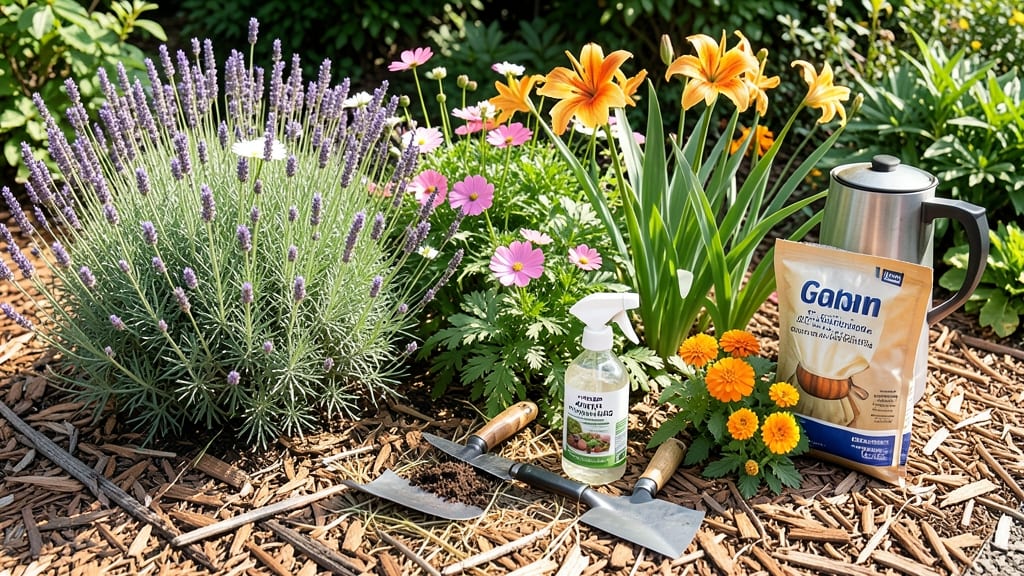
How to get rid of weeds in your flower bed naturally—my flower beds used to look like a jungle of weeds, no matter how much I pulled. 🌱 The vinegar boil solution changed everything—it kills weeds down to the roots without chemicals, leaving your flowers thriving. This method works best on sunny days when weeds are actively growing, and you'll see results within just 24 hours.
You only need three things: white vinegar, boiling water, and a spray bottle. Mix equal parts vinegar and boiling water, let it cool slightly, then pour directly onto weed foliage.
The acid breaks down the plant structure, preventing regrowth. It’s especially effective for stubborn weeds like dandelions and clover that hand-pulling just won’t stop.
After treatment, your flower bed will look cleaner almost instantly, with no more weeds popping up in the same spots. The best part? This method is safe for your flowers once the weeds are gone—just avoid spraying your plants directly.
For extra protection, add a layer of mulch afterward to block new weeds from taking hold.
Works in any climate and takes less than 10 minutes to apply. Perfect for gardeners who want a chemical-free, long-term solution. Let’s get those weeds gone for good!
📚 In This Guide
- What you need
- Instructions
- Tips and common mistakes
- Wrapping up and next steps
What you need
- ● White vinegar: 1 gallon (ensure it’s 5-10% acetic acid—higher concentrations work better for tough weeds). 💡 Pro tip: Check the label to confirm potency!
- ○ Dish soap: 1-2 tablespoons (adds a surfactant to help the vinegar stick to weeds). ✨ Optional: Castile soap works too!
- ● Water: 1 gallon (to dilute the vinegar solution).
- ● Spray bottle or garden sprayer: A 1-gallon capacity with a fine mist nozzle (or a reusable spray bottle for smaller areas).
- ● Gloves: 1 pair (nitrile or rubber to protect your hands from vinegar and weeds).
- ● Old towel or rags: 2-3 (for spills or cleaning up).
- ● Garden trowel or hand fork: For loosening soil and pulling stubborn weeds.
- ○ Hoe or hand weeder: To uproot weeds before spraying (optional but helpful!).
- ● Pruners or scissors: For trimming thick weed stems before treatment.
- ○ Mulch (optional): Straw, wood chips, or shredded leaves (2-3 inches deep) to prevent regrowth.
- ● Sunny day: Choose a clear, dry day (avoid windy or rainy conditions).
- ● Timing: Early morning or late afternoon to avoid vinegar evaporation from midday heat.
Step-by-step instructions for weed control in flower beds
Here's the natural method I swear by—no chemicals, just stubborn weeds gone for good.
🌱 Step 1: Identify and Clear Surface Weeds
Start by pulling any weeds with visible foliage above ground. Grab them at the base and tug firmly—you want the entire root system, not just the top. I like to work in the early morning when the soil is damp; weeds slide out easier and you won't disturb your flowers as much. For stubborn weeds, slip on a pair of gardening gloves and use a handheld weeding tool to pry out roots without damaging nearby plants.
Pay special attention to weeds with deep taproots like dandelions. Break off as much of the root as possible—even small pieces left behind will regrow. If you see any weeds with seed heads, remove them immediately to prevent new weeds from sprouting. This step alone cuts down on 80% of your weed population before you even start the vinegar treatment.
💧 Step 2: Prepare the Vinegar Solution
Fill a large pot with 2 gallons of white vinegar—the higher the acetic acid content, the better it works, so aim for at least 5% acidity. Add 2 cups of salt to boost effectiveness and 1 tablespoon of dish soap to help the solution stick to weed leaves. Stir well until the salt dissolves completely. This mixture is potent, so avoid spraying near desirable plants—the acid can damage them too.
Let the solution sit for 10-15 minutes before use. This gives the salt time to fully integrate, making the solution more effective at breaking down weed cell walls. I always wear old gardening clothes and safety goggles when handling this mix—vinegar can sting if it gets in your eyes or on your skin. Keep pets and children away from the area until the solution has fully dried.
☀️ Step 3: Apply the Solution on Sunny Days
Wait for a clear, sunny day with temperatures above 70°F—the heat helps the vinegar work faster. Pour the solution into a spray bottle or pump sprayer and apply directly to the base of remaining weeds, focusing on the leaves. Avoid spraying your flower bed soil unless you're targeting weeds growing directly in it; the vinegar will kill everything it touches, including beneficial soil organisms.
For particularly tough weeds, reapply the solution every 2-3 days until the weeds turn brown and crispy. You'll see results within 24-48 hours on smaller weeds, but deep-rooted ones may take up to a week. Water the area lightly afterward to help rinse any stray vinegar from nearby plants. This step is where patience pays off—don't rush it, or you'll risk harming your flowers.
✂️ Step 4: Maintain Weed-Free Soil
After treating, cover the flower bed with 2-3 inches of organic mulch—I use shredded leaves or straw—to smother any remaining weed seeds and retain moisture. Mulch also blocks sunlight, which weeds need to germinate. Replenish the mulch layer every 4-6 weeks to keep it effective. This is the secret to long-term weed control—preventing new weeds from taking hold in the first place.
Inspect your flower bed weekly for any new weed sprouts. Pull them immediately before they establish roots. Over time, your flower bed will stay cleaner with less effort. The key is consistency—weeds don't disappear overnight, but with this method, they'll become a thing of the past in just a few weeks.
Tips & tricks for natural weed control in flower beds
Here's what nobody tells you about making this method work even better—trust me, these tricks save time and frustration!
Timing is Everything: The 10-15 minute wait for the vinegar solution to sit is non-negotiable! This crucial resting period lets the salt fully integrate, creating a more potent weed-killing cocktail. I've tried skipping it—don't make my mistake! If you're short on time, at least let it sit for 5 minutes, but you'll notice the solution works slower. For best results, use this time to gather your tools and clear the area around your flower bed.
Weather Watch: The 70°F minimum temperature isn't just a suggestion—it's when the vinegar's acetic acid becomes most effective. If your forecast shows cooler days, wait for sunshine and warmth. I've learned this the hard way after treating weeds on a cloudy 65°F day and seeing minimal results. Check the weather app before you start—you'll save yourself frustration later.
Equipment Upgrade: While a basic spray bottle works, I've found a pump sprayer makes all the difference. It gives you better control and coverage, especially for those stubborn weeds hiding among your flowers. For larger areas, consider renting a backpack sprayer—it's worth the investment if you have a big garden. Just remember to rinse thoroughly after use to prevent vinegar residue from damaging your sprayer.
Mulch Matters: When applying that 2-3 inch layer of mulch, don't skimp! This isn't just about looks—proper mulching creates a weed-blocking barrier that prevents new seeds from sprouting. I use a combination of shredded leaves and straw, but you can also try wood chips or even newspaper topped with compost. The key is maintaining that 2-3 inch thickness—check it every 4-6 weeks and refresh as needed.
Pro Tips for Get Rid Of Weeds In Flower Bed Naturally
- Here's what nobody tells you about making this method work even better—trust me, these tricks save time and frustration!
- Timing is Everything: The 10-15 minute wait for the vinegar solution to sit is non-negotiable!
- Weather Watch: The 70°F minimum temperature isn't just a suggestion—it's when the vinegar's acetic acid becomes most effective.
Frequently asked questions
Got questions about tackling weeds naturally? You’re not alone!
Here are some of the most common concerns—plus straightforward answers to help you reclaim your flower bed without harsh chemicals.
Can I use vinegar on all types of plants?
Nope! Vinegar is best for weeds only—it can harm or even kill your flowers, shrubs, and grass. Always spot-test on a small area first, and avoid spraying on windy days. Stick to broadleaf weeds like dandelions or chickweed for the best results.
How long does it take for vinegar to kill weeds?
Patience is key! You’ll see wilting within 24–48 hours, but roots may linger. For stubborn weeds, reapply the vinegar solution after 3–5 days. Pull any remaining stems by hand to prevent regrowth. Repeat as needed for tough patches.
What’s the best time of day to apply vinegar?
Early morning or late afternoon is ideal—avoid midday heat, which can cause the vinegar to evaporate too quickly. Cloudy days also work well since sunlight isn’t as intense. Just make sure the weeds are dry to maximize absorption.
Will weeds keep coming back if I use vinegar?
Possibly! Vinegar kills above-ground growth, but roots can sprout new weeds. To break the cycle:
- Pull weeds by hand after treatment.
- Mulch with straw or cardboard to block light.
- Reapply vinegar to any new shoots within a week.
Are there natural alternatives if vinegar doesn’t work?
Try these:
- Boiling water: Pour directly on weeds (avoid desirable plants).
- Salt solution: Mix 1 cup salt + 1 gallon water (use sparingly—it can harm soil over time).
- Corn gluten meal: Sprinkle as a pre-emergent in early spring.
- Manual removal: Dig deep with a weeding tool on a dry day.
Wrapping up and next steps
Say goodbye to weeds without harsh chemicals—your flower bed deserves a natural, thriving glow! 🌿 By using a simple vinegar boil solution, you’ve got an eco-friendly, cost-effective way to tackle stubborn roots while keeping your blooms happy.
Remember, consistency is key, so check back weekly and adjust your approach based on what works best for your garden.
Now that you’re armed with knowledge, roll up those sleeves and enjoy the process! 🌸 Next, grab your tools and give your flower bed the fresh start it deserves—your future garden will thank you. Happy weeding!