
Size
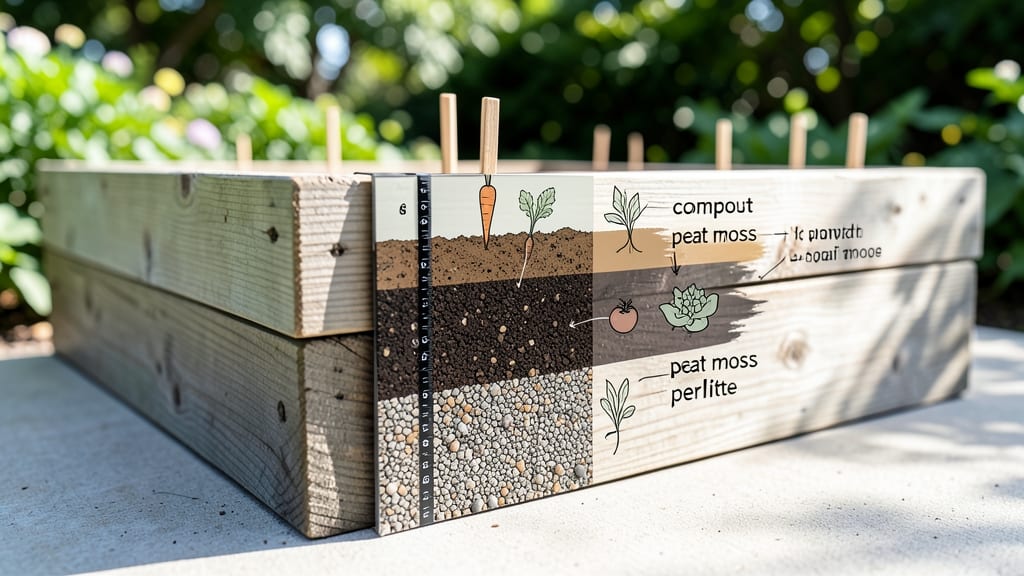
To determine how tall a raised garden bed needs to be, aim for at least 6 to 12 inches for most vegetables, with deeper beds (12–18 inches) ideal for root crops like carrots and potatoes. The height improves accessibility and drainage for healthier plant growth.
Your raised garden bed's height directly impacts what you can grow—and how easily you can tend to it. 🌱 Shallow-rooted plants like lettuce or herbs thrive in beds just 6 inches deep, while deeper-rooted varieties such as sweet potatoes or potatoes need the full 12–18 inches to spread comfortably.
I've found that adding a few extra inches of height also makes gardening easier on your back, especially when reaching for plants at the center of the bed.
Another key factor is drainage: taller beds prevent waterlogging, which can suffocate roots. If you're using wood or composite materials, remember that the soil level will settle over time, so building slightly taller than your target height accounts for this natural compression.
For gardeners with limited mobility, a bed height of 12–18 inches can make planting and harvesting much more manageable without straining your knees.
💡 In This Article
- Root Depth Requirements for Different Plants in Raised Beds
- Accessibility and Design Tips for Raised Garden Bed Heights
Root depth requirements for different plants in raised beds
Root systems vary dramatically between plant types, and this directly influences how deep your raised bed should be. Shallow-rooted vegetables like lettuce, spinach, and radishes only need about 6 inches of soil to thrive, as their roots spread horizontally rather than vertically.
These plants focus their energy on leaf production above ground, so deeper soil doesn't provide any benefit—it just increases material costs and water usage.
In contrast, deep-rooted crops such as carrots, potatoes, and sweet potatoes require 12–18 inches of soil to develop properly, as their roots grow downward to access nutrients and water from lower soil layers.
The depth of your bed affects nutrient absorption and plant stability in measurable ways. For example, tomatoes—with their sprawling root systems—typically need 12–18 inches of soil to support their vines and fruit production.
Without adequate depth, the roots become cramped, leading to stunted growth and reduced yields. 🌿 Meanwhile, herbs like basil or thyme, which have fibrous but shallow roots, can thrive in just 6 inches of well-draining soil.
The key is matching the bed height to the plant's natural rooting habits, ensuring they have enough space to establish without competing for resources.
Soil composition also plays a role in determining effective depth. Loose, well-aerated soil allows roots to penetrate more easily, so a 12-inch bed might feel deeper to plants than the same height filled with compacted or clay-heavy soil.
I've observed that adding organic matter like compost or aged manure improves root growth, making shallower beds more suitable for plants that would otherwise need deeper soil. This is why many gardeners layer their beds with a mix of topsoil, compost, and sand to enhance drainage and root expansion.
For mixed beds containing both shallow and deep-rooted plants, a height of 12 inches offers a practical compromise. This depth accommodates most vegetables while allowing you to grow a wider variety in the same space.
If you're growing root crops like beets or turnips, consider dividing your garden into sections: shallower beds for leafy greens and deeper beds for root vegetables. This zoning approach maximizes space efficiency and ensures each plant receives the optimal growing conditions.
Another consideration is the bed's width relative to its height. A bed that's too wide (typically over 4 feet) can create a "dead zone" in the center where soil stays damp and roots struggle to access oxygen.
For deeper beds, keeping the width between 3–4 feet ensures even water distribution and easier access to all planting areas. This balance between height and width is crucial for maintaining healthy soil aeration and preventing compaction.
When planning your bed's height, account for the fact that soil will settle over time—especially if you're using organic materials like compost or peat moss. A new bed might start at 14 inches but settle to 12 inches after a season.
To avoid ending up with insufficient depth, build your bed slightly taller than your target measurement. This extra cushion ensures your plants have the space they need to grow without you having to rebuild the bed mid-season.