
Flowers
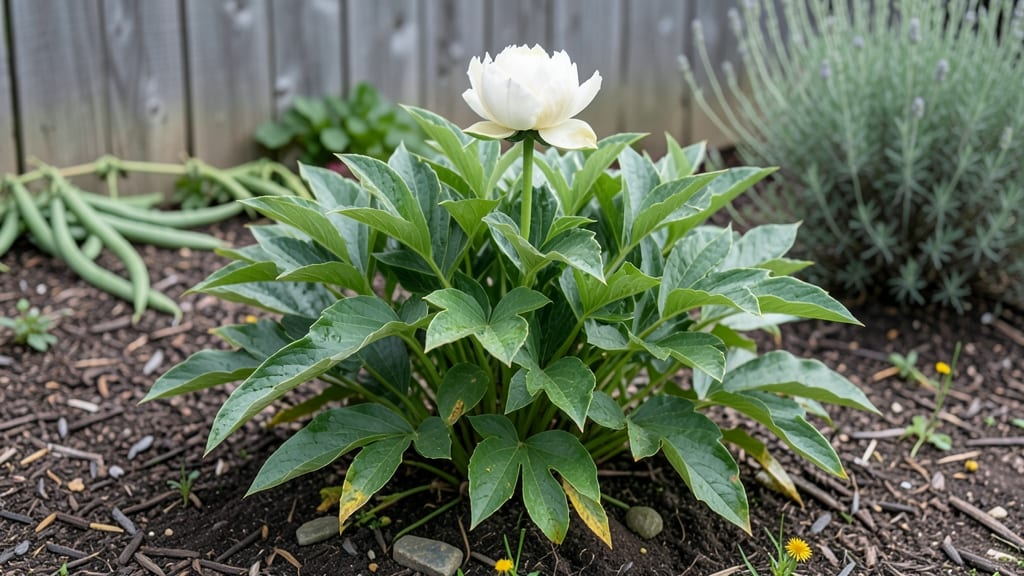
Herbaceous perennial peonies thrive where winters chill and summers stretch long—these frost-resistant beauties reward patience with lush, velvety blooms that return year after year. I’ve grown them for decades, and the secret isn’t fancy tricks but matching their needs to your climate.
Too much fuss kills them; too little neglect lets them shine. The right spot, soil, and timing turn them into the most reliable garden superstars.
Peonies demand full sun and well-draining soil—no heavy clay, no soggy spots. Plant them in early fall or late winter when the ground is workable but not frozen, and they’ll establish roots before summer’s heat arrives.
Feed them once a year with compost or a balanced fertilizer, and water deeply only when the top inch of soil feels dry. Overwatering is their worst enemy, but drought-tolerant once established, they’ll bounce back like nothing happened.
By their third year, you’ll see bowls of blooms so heavy they bend stems to the ground—each petal a rich pink, coral, or white. Prune spent flowers down to the first set of leaves, never cut into the woody stems, and watch them multiply over time.
The fragrance alone makes them worth the wait, but the way they naturalize into drifts of color? That’s the real magic.
They handle pests better than most perennials, but watch for botrytis blight in damp springs—space plants 3 feet apart for airflow. In colder zones, mulch heavily to protect crowns, but don’t smother them.
With zero fuss care, these peonies will outlive you, your kids, and probably the house itself. Let’s get them planted right.
📚 In This Guide
- What you need
- Instructions
- Tips and common mistakes
- Wrapping up and next steps
What you need
- ● Herbaceous peony plants: Choose Paeonia lactiflora or hybrid varieties (e.g., 'Sarah Bernhardt,' 'Bowl of Beauty'). Buy 2–3 bare-root plants (spring/fall) or 1-gallon containers (spring only).
- ● Well-draining soil: Aim for loamy soil with a pH of 6.0–7.5. Amend heavy clay with compost or sand (50/50 mix).
- ● Sunlight access: Full sun (6–8 hours/day) for optimal blooms.
- ● Watering can or hose: With a gentle spray nozzle (avoid overhead watering on flowers).
- ● Garden fork or trowel: For planting (a wide, sturdy fork works best for breaking up soil).
- ● Organic mulch: 2–3 inches of shredded bark or straw to retain moisture and suppress weeds.
- ● Balanced fertilizer: 10-10-10 or 5-10-10 (apply spring and early fall).
- ● Peony rings or stakes: Metal rings (to prevent flopping stems) or bamboo stakes (for support).
- ● Slow-release granules: Osmocote or similar for low-maintenance feeding.
- ● Disease-resistant varieties: If your area has botrytis (gray mold), opt for 'Coral Charm' or 'Duchesse de Nemours'.
- ● Pruners: Clean, sharp bypass pruners (for deadheading and fall cleanup).
Step-by-step instructions for planting herbaceous perennial peonies
Here’s how to establish these hardy, long-lived beauties for decades of effortless blooms.
Choose the Right Location and Prepare the Soil
Peonies thrive in full sun—pick a spot with at least 6-8 hours of direct sunlight daily. They tolerate partial shade but produce fewer blooms. I always test the site by observing how sunlight moves across the area throughout the day, especially in winter when branches can cast shadows.
Loosen the soil to a depth of 12-18 inches using a garden fork or tiller. Peonies hate compacted soil, which restricts root growth. Work in 2-3 inches of compost or well-rotted manure to enrich the soil without adding fresh organic matter, which can cause rot. The goal is a crumbly, fertile mix that drains well but holds moisture.
Plant Bare-Root Peony Crowns at the Correct Depth
Dig a hole 2-3 inches deeper than the root ball’s depth—peonies need to be planted no deeper than 2 inches below soil level. The crown (where roots meet stems) should sit just below the soil surface, never buried. I mark the crown’s position with a pencil before planting to avoid mistakes.
Spread the roots gently in the hole, ensuring they fan out naturally without bending. Fill the hole halfway with soil, then water deeply to settle it around the roots. Once the water drains, top off with more soil, pressing lightly to eliminate air pockets. Mulch with 2-3 inches of shredded bark or straw to retain moisture and regulate temperature.
Water and Establish for the First Growing Season
Water peonies deeply once a week during the first growing season, providing 1 inch of water per week. Let the top 2 inches of soil dry out between waterings to prevent rot. Overwatering is the fastest way to kill peonies—yellowing leaves often signal too much moisture.
In the first year, focus on root establishment rather than blooms. You’ll see new shoots emerge in spring, and by mid-summer, the plant will develop a sturdy root system. Avoid fertilizing in the first year—peonies grow slowly and need time to adjust to their new home.
Prune and Maintain for Long-Term Health
Cut back foliage to 3-4 inches above the ground in late fall or early winter after the first hard frost. This prevents disease and helps the plant redirect energy to root growth. Never prune in spring—wait until the leaves turn brown and die back naturally.
Divide peonies every 4-5 years in early fall if the plant becomes overcrowded. Dig up the clump, separate the roots, and replant the healthiest divisions. Peonies are slow to re-establish after division, so only split them when necessary. In subsequent years, fertilize lightly in early spring with a balanced 10-10-10 formula to encourage strong blooms.
Tips & tricks for perfect herbaceous perennial peony planting
A few simple tricks will help you establish peonies that thrive for decades with minimal effort.
Sunlight Observation: Mark the sunniest spot in your yard by observing how sunlight shifts throughout the day, especially in winter when nearby trees or structures may cast shadows. Peonies need that consistent 6-8 hours of direct sunlight daily for maximum blooms. I always test potential spots for at least a week before planting to avoid surprises.
Planting Depth Secret: The crown should sit just below soil level—never buried. I use a pencil to mark the crown's position before planting, then check again after filling the hole halfway with soil. Planting too deep can suffocate the crown, while planting too shallow exposes it to temperature extremes and rot.
Watering Wisdom: The 1 inch of water per week guideline assumes average rainfall. In hot climates or during droughts, you may need to supplement with 1-2 extra inches per week. Always let the top 2 inches of soil dry out between waterings—this prevents rot while ensuring roots get enough moisture to establish properly.
Soil Preparation: Don't skip the 12-18 inch deep soil loosening—compacted soil is peonies' worst enemy. I mix in 2-3 inches of compost but avoid fresh manure, which can burn tender roots. For heavy clay soils, consider adding a handful of coarse sand to improve drainage without compromising moisture retention.
Pro Tips for Herbaceous Perennial Peony
- A few simple tricks will help you establish peonies that thrive for decades with minimal effort.
- Sunlight Observation: Mark the sunniest spot in your yard by observing how sunlight shifts throughout the day, especially in winter when nearby trees or structures may cast shadows.
- Planting Depth Secret: The crown should sit just below soil level—never buried.
Frequently asked questions
Got questions about growing herbaceous perennial peonies? You’re not alone! Here are answers to the most common concerns—from planting to troubleshooting—so you can enjoy lush, low-maintenance blooms year after year.
When is the best time to plant herbaceous peonies?
Plant peonies in early fall or late winter (just before buds swell in spring). This gives roots time to establish before summer heat. Avoid planting in spring or summer—they may not survive the transplant shock. Pro tip: If you miss the window, late summer (August) is the second-best option.
How cold-hardy are herbaceous peonies?
Peonies are extremely frost-resistant, thriving in USDA Zones 3–8. They love cold winters (even below 0°F!) and hate summer heat above 85°F. Mulch lightly in winter to protect roots, but avoid smothering them—peonies need airflow to prevent rot.
How long does it take for peonies to bloom after planting?
Patience is key! Most peonies take 2–3 years to establish and bloom. Bareroot peonies may flower in their first year, while container-grown varieties can take up to 5 years. Focus on healthy foliage—blooms will follow!
What pests or diseases should I watch for?
Peonies are tough, but botrytis blight (gray mold) and peony leaf blight can strike in damp climates. Remove infected leaves immediately and improve airflow. Peony moths (larvae) may chew foliage—handpick them or use neem oil as a natural deterrent.
Can I divide my peony plants? If so, when?
Yes! Divide peonies every 3–5 years to rejuvenate blooms. The best time is September (early fall). Warning: Only divide if the plant is crowded or blooms are declining. Use a sharp knife to separate root sections, ensuring each has 3–5 eyes (buds).
Why aren’t my peonies blooming?
Common culprits: too much nitrogen (lush leaves, no flowers), overcrowding, or planting too deep (eyes should be 1–2 inches below soil). Cut back on fertilizer in late summer to encourage blooming. Also, ensure they get 6+ hours of sun daily.
Wrapping up and next steps
Growing herbaceous perennial peonies is a rewarding journey—these frost-resistant beauties thrive with minimal fuss while delivering stunning, long-lasting blooms year after year.
Whether you're a seasoned gardener or just starting, their resilience and vibrant colors make them a must-have for any garden. Ready to add a touch of elegance? Grab your gloves, pick a sunny spot, and plant your peonies this season—your future garden will thank you! 🌸✨