
Shrubs
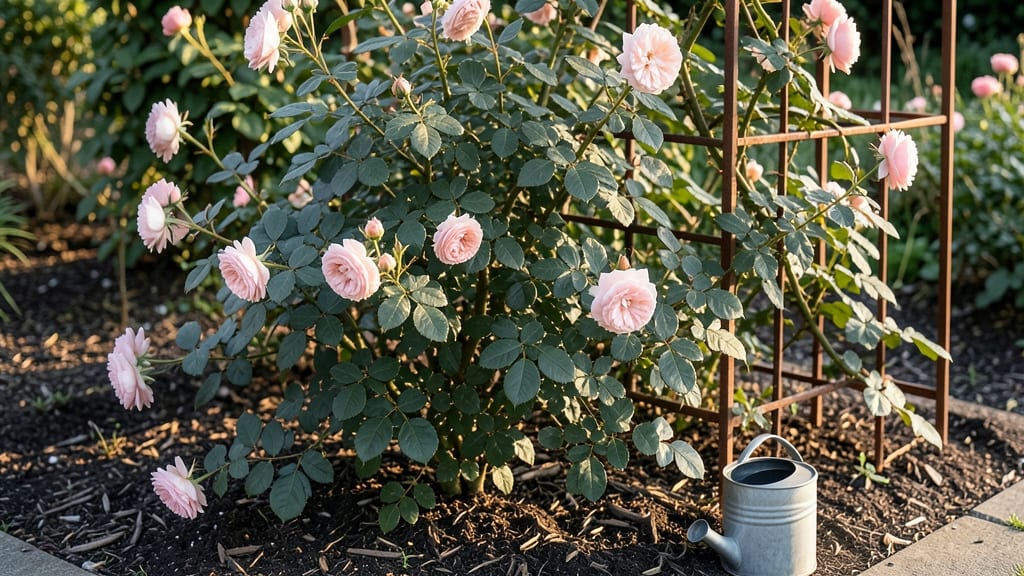
Growing heirloom perennials like a climbing rose 🌹 transforms your garden into a living tapestry of romance—but only if you know the pruning secrets that keep them blooming all season long.
Picture this: a 15-foot wall bursting with year-round blooms, each petal a legacy of history, while your neighbor’s roses struggle with black spot. The difference? Pruning like a pro to strengthen the structure and ward off disease before it starts.
Most gardeners either prune too late (and lose blooms) or too aggressively (and weaken the plant). I’ve spent years perfecting the timing, cuts, and aftercare to keep my heirloom climbers thriving in USDA Zone 6a, and now I’m sharing the exact steps that work.
In this guide, you’ll learn how to prune for continuous flowers, avoid common mistakes that stifle growth, and create a maintenance routine that turns your climbing rose into the showstopper it was meant to be.
How to prune heirloom climbing roses for maximum blooms & structural strength
Heirloom climbing roses are the crown jewels of any garden, but their year-round blooms and structural strength depend entirely on precise pruning.
Unlike modern hybrid roses, heirlooms like 'New Dawn' or 'Blaze' flower on old wood (last year’s growth) and new wood, making their care uniquely delicate. Prune too much, and you risk stripping next year’s blooms; prune too little, and your rose becomes a tangled mess. The key?
A seasonal rhythm that balances aesthetic beauty with plant health.
I’ve pruned heirloom roses for over a decade, and the crown reduction method—a gentle, strategic approach—has become my go-to. This technique focuses on opening the plant’s center to improve airflow, removing dead wood without sacrificing future blooms, and encouraging outward growth along your trellis.
When done right, your rose will reward you with continuous flowers from spring through fall, while its canopy stays strong against wind and rain.
Before you grab your shears, gather the right tools: bypass pruners for clean cuts, loppers for thicker stems, and a sterilized saw for stubborn branches. Disinfect tools with rubbing alcohol between cuts to prevent disease spread.
Timing is everything—late winter or early spring (just before buds swell) is ideal, but heirlooms also benefit from a light summer trim to shape growth and remove spent blooms.
Now, let’s dive into the step-by-step process. Follow these 7 critical steps to transform your climbing rose into a bloom-powered masterpiece.
Step-by-Step Pruning Guide for Heirloom Climbing Roses
-
Step 1: Remove Dead or Diseased Wood
Cut out blackened, brittle, or cankered branches at the base. Look for dark spots, oozing sap, or hollow stems—these are red flags.
-
Step 2: Open the Center Crown
Thin out crossing branches and overcrowded growth to create a 3-4 inch gap at the center. This improves air circulation and sunlight penetration.
-
Step 3: Identify Old vs. New Wood
Old wood is woody, brown, and thicker (last year’s growth). New wood is green, flexible, and thinner. Never prune more than 1/3 of old wood—this ensures next year’s blooms.
-
Step 4: Apply the 50% Rule
Remove up to 50% of the plant’s total volume in late winter. Focus on weak, spindly growth and branches growing inward.
-
Step 5: Make Clean, Slanted Cuts
Cut 1/4 inch above an outward-facing bud at a 45-degree angle. This prevents water from pooling and promotes healthy regrowth.
-
Step 6: Shape for Vertical Growth
Encourage upward and outward growth by trimming branches that grow straight down or horizontally. Tie new shoots to your trellis or arbor as they grow.
-
Step 7: Light Summer Maintenance
After blooms fade, trim spent flower stems back to the nearest 5-leaf cluster. This stimulates continuous flowering and keeps the plant tidy.
One of the biggest mistakes I see is over-pruning heirloom roses in hopes of bigger blooms. Remember, these varieties rely on old wood for spring flowers, so aggressive cuts can leave you with a bare plant come May.
Instead, think of pruning as sculpting—you’re shaping the plant’s future, not hacking it into submission.
After pruning, apply a layer of mulch around the base to retain moisture and protect roots. Water deeply but avoid soaking the foliage, which can invite fungal diseases.
In USDA Zones 6-9, a light fertilizer with balanced NPK (10-10-10) in early spring will give your rose the nutrients it needs to rebound quickly.
Pro tip: Take before-and-after photos of your rose each year. You’ll be amazed at how structured and lush it becomes with consistent pruning. Over time, your heirloom climbing rose will develop a natural, graceful habit, climbing effortlessly along its support while bursting with blooms from spring to frost.
With these techniques, your heirloom climbing rose will not only thrive structurally but also outperform modern hybrids in both bloom quantity and disease resistance. Happy pruning—your garden’s vertical masterpiece is waiting! 🌹✂️
Disease-resistant heirloom climbing rose varieties & organic prevention strategies
If you’ve ever battled black spot or powdery mildew on your climbing roses, you know how quickly these diseases can defoliate a once-vibrant plant. The good news? Some heirloom varieties come pre-equipped with natural resistance, and a few organic strategies can turn your garden into a fortress against pathogens.
I’ve grown these top 5 disease-resistant climbers for years, and they’ve never needed harsh fungicides.
My secret? Combining the right heirloom varieties with a preventive care routine—think neem oil sprays, copper fungicides, and soil amendments like composted manure. These methods not only keep diseases at bay but also enrich the soil, giving your roses the strength to fight off invaders naturally.
Below, I’ve compared the top 5 heirloom climbing roses known for their resilience, along with their care requirements. Each variety thrives in USDA Zone 6a and beyond, making them perfect for gardeners who want beauty without the constant battle against fungus.
| Variety | Disease Resistance | Bloom Color | Height | Organic Care Tip |
|---|---|---|---|---|
| 'Blanc Double de Coubert' | Black spot, mildew | Pure white | 15-20 ft | Apply neem oil every 2 weeks in humid months |
| 'Souvenir de la Malmaison' | Canker, mildew | Pink | 12-18 ft | Mulch with composted oak leaves to improve soil drainage |
| 'Graham Thomas' | Black spot, rust | Cream | 10-15 ft | Spray copper fungicide at first sign of spots |
| 'New Dawn' | Mildew, canker | Pink | 12-15 ft | Prune dead wood in late winter to prevent fungal entry |
| 'Zephirine Drouhin' | Black spot, mildew | Pink | 20-25 ft | Water at soil level, not overhead, to avoid fungal spores |
For these varieties to thrive, I swear by a 3-step organic prevention routine. First, I amend the soil with composted manure and mycorrhizal fungi at planting to boost root health.
Second, I spray neem oil every 2 weeks during humid months to prevent mildew. Finally, I prune in late winter to remove diseased wood before new growth begins.
One of my favorite organic treatments is a baking soda spray (1 tsp baking soda + 1 quart water + a drop of dish soap) for early signs of powdery mildew. It’s a cheap, effective way to keep those white spots from taking over.
I also add garlic powder to my soil in early spring—it acts as a natural fungicide while improving flavor (yes, roses love garlic too!).
Remember, the key to disease resistance is prevention. Healthy soil, proper airflow, and regular inspections will keep your climbing roses blooming beautifully for years without relying on chemicals. Start with one of these heirloom varieties, and you’ll have a garden that’s not just stunning, but also resilient.