
Landscaping
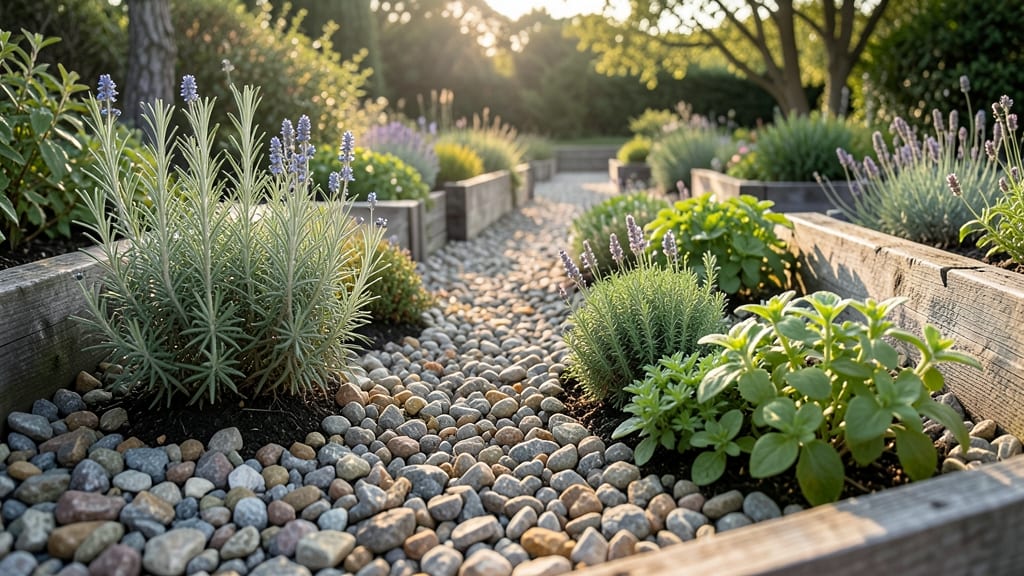
Tired of high-maintenance flower beds that demand constant watering and weeding? These 10 gravel flower bed designs combine beauty with practicality, offering drought-resistant plants, easy upkeep, and stunning visual appeal for any outdoor space.
Modern Desert Succulent Gravel Garden
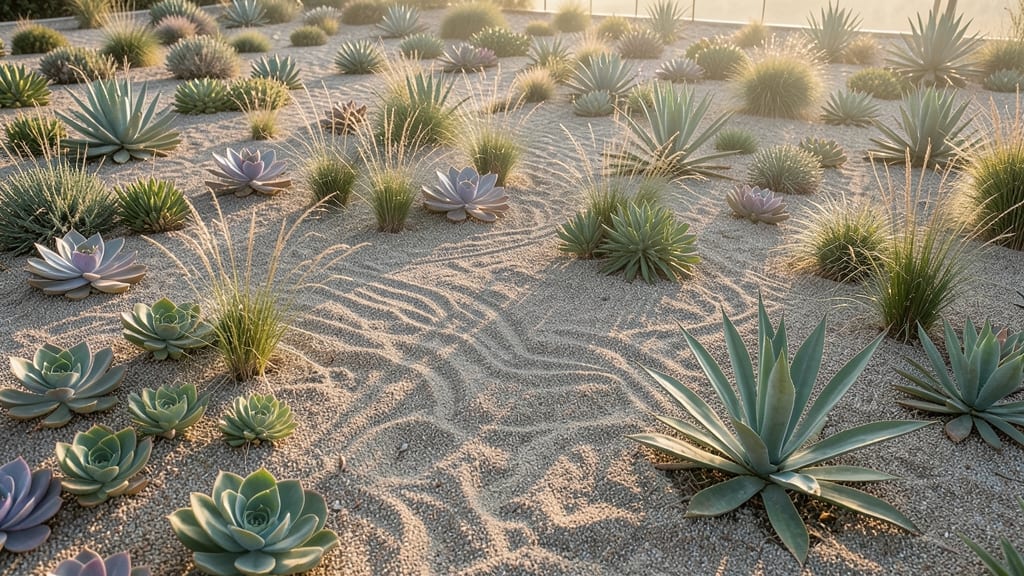
Transform your backyard into a low-water oasis with a modern desert succulent gravel garden—perfect for sunny, arid climates where traditional flower beds struggle. This design blends drought-proof succulents like echeveria and agave with airy ornamental grasses, all nestled in smooth, neutral gravel for a sleek, contemporary vibe.
Start with a gravel base (3-4 inches deep) to wick away excess moisture while keeping roots cool. Plant succulents in clusters for bold texture, and tuck in blue flax or muhly grass for soft contrast. Water deeply but infrequently—once every 2-3 weeks—and avoid overhead sprinklers to prevent rot. This bed thrives in full sun (6+ hours daily) and requires minimal weeding thanks to the gravel’s natural barrier.
Ideal for urban patios, modern landscapes, or anyone craving a zero-fuss garden, this design proves beauty and sustainability go hand in hand. 🌻
Cottage Garden with Perennials and Mulch
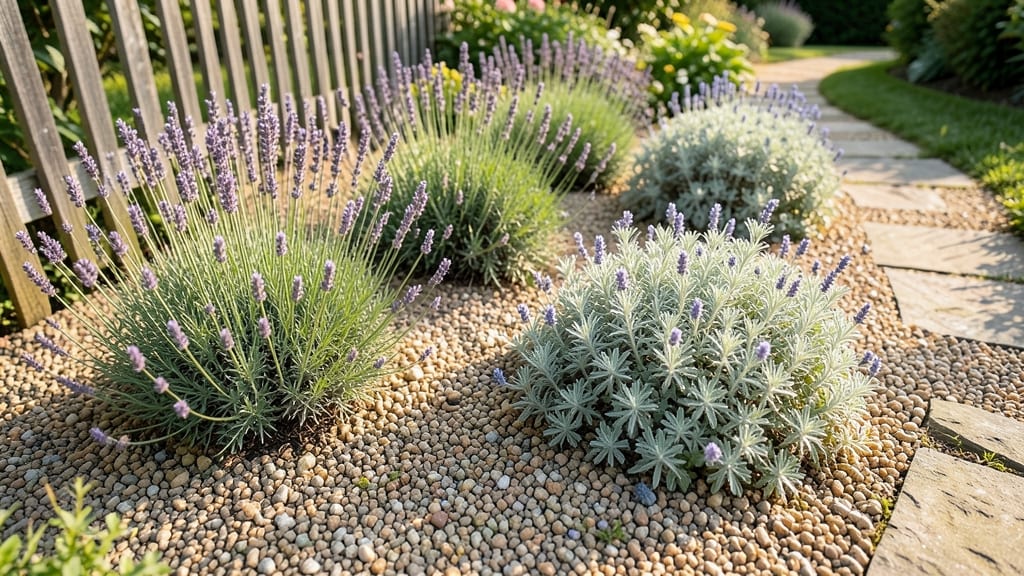
Step back in time with a cottage garden that feels like a fragrant hug from grandma’s yard. This design swaps traditional soil for coarse gravel mulch, creating a low-maintenance haven for classic perennials like lavender and catmint—plants that thrive in well-draining conditions while filling the air with their signature scents.
Start by layering 3–4 inches of gravel over landscape fabric to suppress weeds naturally. Plant clumping perennials like shasta daisies and salvia in clusters, leaving room for their foliage to spill over the edges. The gravel reflects sunlight, warming the roots while reducing evaporation—perfect for hot, dry summers. Add a rustic wooden border or stone edging to frame the bed and invite pollinators.
This design is ideal for traditionalists who love timeless charm without the upkeep of a formal garden. The gravel stays cooler than soil, cutting down on watering needs, while the perennials return year after year. 🌷
Wildflower Meadow Gravel Border
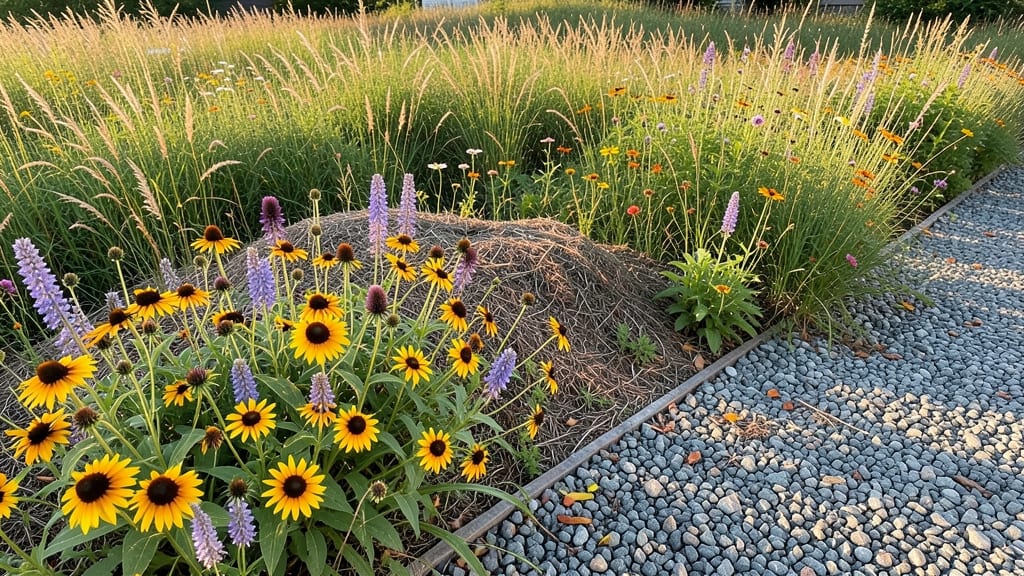
Skip the lawnmower and create a pollinator paradise with a wildflower meadow framed by gravel edges. This design turns your yard into a buzzing ecosystem while eliminating mowing—just plant, let nature take over, and enjoy the show.
Start by selecting a mix of native wildflowers like black-eyed Susans, purple coneflowers, and poppies for year-round color and wildlife support. Use dark river rocks or decomposed granite along the perimeter to define the space and suppress weeds naturally. The gravel border also prevents the meadow from encroaching into other garden areas, keeping everything tidy.
This design is perfect for eco-conscious gardeners who want to reduce water use, cut maintenance, and create a thriving habitat for bees, butterflies, and birds. 🌻
Japanese Zen Rock Garden with Moss
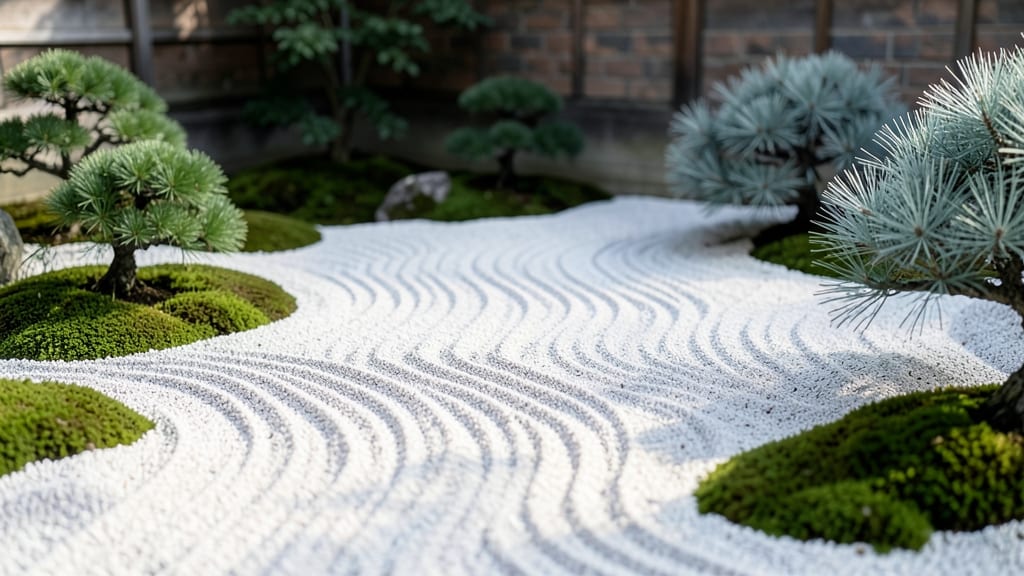
Transform your backyard into a serene escape with a Japanese Zen rock garden, where every raked line invites mindfulness. This minimalist design thrives in small urban spaces, blending smooth white gravel (raked into flowing patterns) with lush moss and dwarf conifers like Pinus mugo or Chamaecyparis pisifera. The contrast between the gravel’s crisp texture and moss’s velvety green creates a calming visual rhythm.
Start with a level base of compacted soil, then layer 1-2 inches of fine gravel (like quartz or lava rock) for drainage. Plant moss in shaded corners—it spreads naturally over time—while dwarf conifers add vertical interest. Use a bamboo rake to create spirals or straight lines in the gravel, mimicking water ripples. Place a few smooth river rocks as focal points, and add a stone lantern for ambiance. Water lightly to encourage moss growth, and avoid overwatering to keep the gravel dry.
This design is ideal for city dwellers or anyone craving a low-maintenance sanctuary. The gravel suppresses weeds, while the moss and conifers require minimal care, making it perfect for busy gardeners who still want a peaceful retreat. 🌿
Colorful Annuals in Polished Gravel
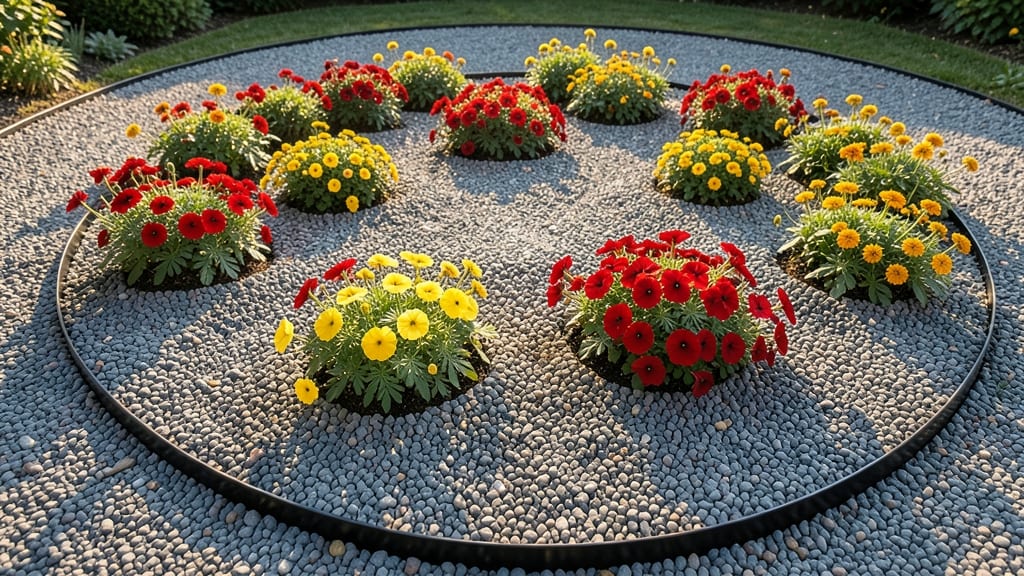
Want a garden that bursts with color every season without the fuss of perennials? Polished gravel paired with annuals like petunias and marigolds delivers bold, eye-catching displays that you can swap out yearly for fresh vibes—think fiery reds, sunny yellows, or soft pinks against a sleek, reflective base.
Start with a 2-3 inch layer of smooth river rock (white or gray works best) to create a clean, modern canvas. Plant annuals in small pockets of well-draining soil mixed with compost, ensuring roots stay cool while the gravel reflects sunlight. Water deeply 2-3 times per week during peak summer, but reduce to once weekly once established—gravel helps retain moisture near roots while wicking away excess.
This design is perfect for urban balconies, modern patios, or entryway planters, offering a low-maintenance pop of color that’s easy to refresh. Swap out spent blooms in late fall for a brand-new look next spring without replanting perennials. 🌻
Xeriscaping with Native Wildflowers
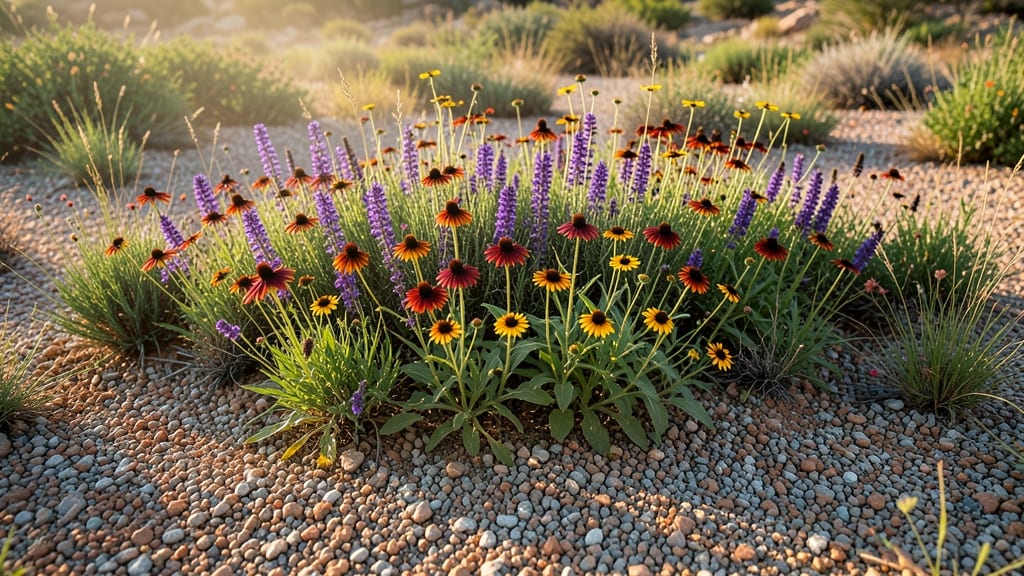
Tired of watching water bills climb while your garden struggles in the heat? A xeriscaped wildflower bed with decomposed granite creates a stunning, zero-water landscape that thrives on rainfall alone—while cutting your water use by up to 60%.
Start by choosing native wildflowers like black-eyed Susans or purple coneflowers, which evolved to love your local climate. Spread a 2–3 inch layer of decomposed granite (not regular gravel) to suppress weeds and retain moisture. Plant in early spring or fall when soil is workable, spacing seeds or plugs 6–12 inches apart. Mulch lightly with straw to protect seedlings until established.
This design isn’t just drought-proof—it’s a wildlife magnet, feeding bees, butterflies, and birds while requiring no mowing or fertilizing. Perfect for eco-conscious gardeners in dry regions, it turns water-guzzling lawns into a self-sustaining ecosystem. 🌻
Rustic Gravel and Wood Chip Pathway
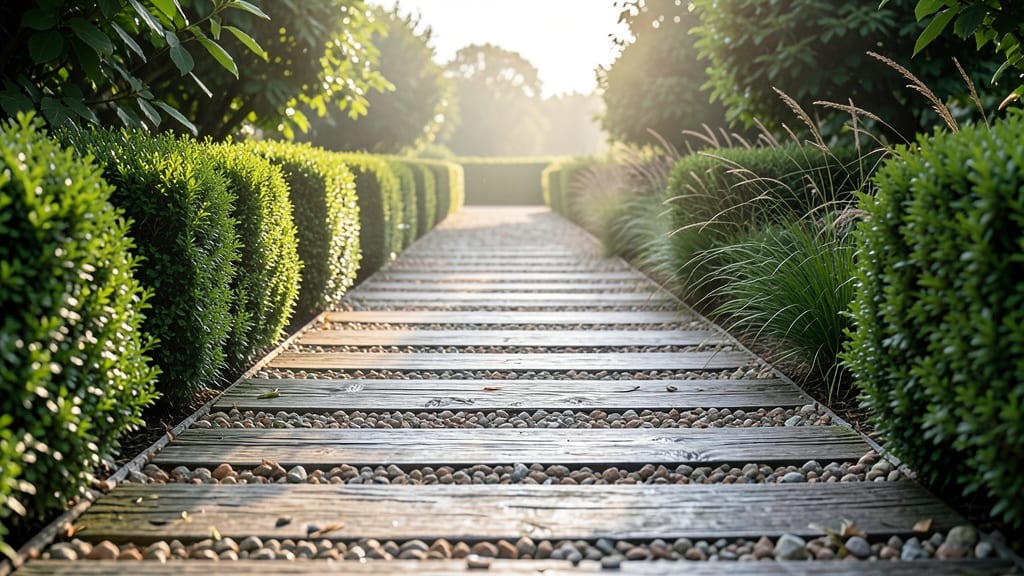
Create a cozy, inviting pathway that guides visitors through your garden without sacrificing style. This rustic gravel and wood chip pathway blends the natural charm of wood with the clean lines of gravel, making it both functional and beautiful. Line the path with shrubs like boxwood and ornamental grasses for texture and year-round interest, while the wood chips soften footsteps and suppress weeds.
Start by laying a 2-inch base of compacted gravel for drainage, then top with 3-4 inches of wood chips (cedar or hardwood lasts longest). Plant evergreen shrubs like boxwood or dwarf holly along the edges, spacing them 12-18 inches apart. Add ornamental grasses like fountain grass or maiden grass for movement and height contrast. Water deeply after planting, then let the gravel and wood chips regulate moisture—this design thrives with minimal watering once established.
Perfect for backyard gardeners or anyone wanting a low-maintenance trail, this pathway adds warmth and structure to your outdoor space. The combination of textures and colors creates a natural, rustic feel that blends seamlessly with any garden style. 🌿
Contemporary Gravel and Steel Planters
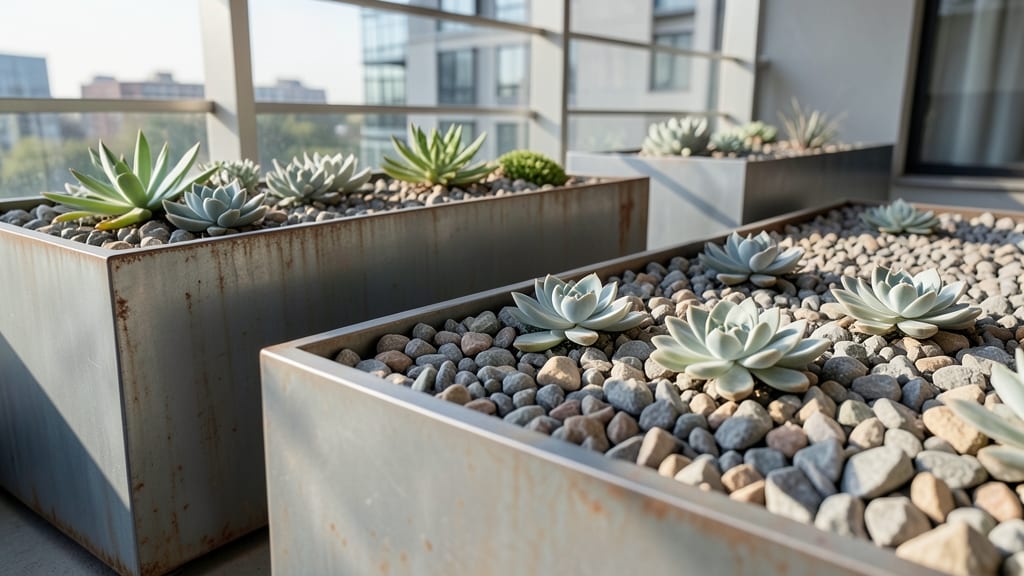
Bring industrial chic to your balcony or patio with contemporary steel planters filled with gravel and drought-tolerant succulents like sedum and hens-and-chicks. This urban-friendly design marries sleek metal textures with the organic shapes of low-maintenance plants, creating a striking contrast that’s perfect for modern spaces.
Start with galvanized steel planters (choose powder-coated colors to prevent rust) and fill them with a 3-4 inch layer of coarse gravel for drainage. Plant succulents in small pockets of cactus soil mix, spacing them 4-6 inches apart for a lush, cascading effect. Water once every 2-3 weeks—the gravel regulates moisture while preventing root rot. Place in full sun (6+ hours daily) to highlight the plants’ vibrant hues and the planters’ reflective surfaces.
This design is ideal for urban gardeners with limited space or those who love a minimalist, high-impact look. The gravel suppresses weeds, while the succulents thrive on neglect, making it perfect for busy schedules. 💡
Rock Garden with Alpine Plants
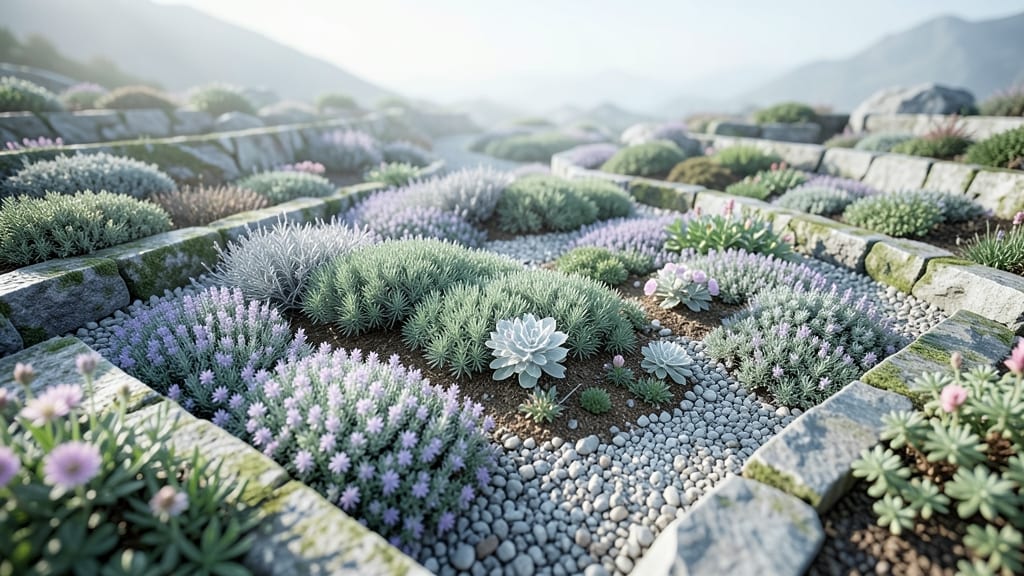
Bring the crisp, airy beauty of mountain meadows to your garden with a rock garden for alpine plants—a tiny ecosystem where creeping thyme, saxifrage, and other cold-hardy dwarfs thrive in shallow soil and fine gravel. This design mimics high-altitude conditions, perfect for slopes, raised beds, or even window boxes, where roots stay cool and moisture drains quickly.
Start with a 3-4 inch layer of sharp, angular gravel (like decomposed granite) to prevent soil compaction, then tuck in moss-covered rocks and dwarf conifers like Juniperus procumbens for texture. Plant alpines like saxifrage or stonecrop in crevices, spacing them closely to mimic natural rock crevices. Water lightly—once a week in summer—since alpine plants prefer dry conditions. Add a thin layer of sand to improve drainage if your area gets heavy rain.
This design is a dream for small-space gardeners or those who love textural contrast, offering year-round interest with evergreen foliage and delicate blooms. Plus, the gravel suppresses weeds naturally, making it a true low-maintenance alpine escape. ✨
Edible Gravel Garden with Herbs

Turn your kitchen garden into a dual-purpose dream with an edible gravel garden that’s as pretty as it is practical. This design marries the rustic charm of gravel with the aromatic allure of culinary herbs like rosemary, thyme, and oregano, creating a space that’s both functional and decorative. The gravel suppresses weeds, retains moisture near roots, and adds a modern, minimalist aesthetic to your outdoor cooking area.
Start by layering 3–4 inches of coarse gravel over landscape fabric in a raised bed or in-ground space. Plant your herbs in well-draining soil pockets mixed with compost, spacing them 12–18 inches apart to allow for airflow and growth. Rosemary and lavender thrive in this setup, while thyme and oregano spread beautifully, filling gaps naturally. Water deeply 2–3 times per week during the first month, then taper to once weekly—the gravel helps regulate soil moisture, reducing evaporation. This design also keeps pests like slugs at bay, making it ideal for low-maintenance herb gardens.
Perfect for urban balconies, patio containers, or kitchen garden borders, this edible gravel garden lets you harvest fresh herbs year-round while adding a sleek, modern touch to your outdoor space. It’s the ultimate solution for gardeners who want beauty, utility, and ease in one stunning design. 💚