
Flowers
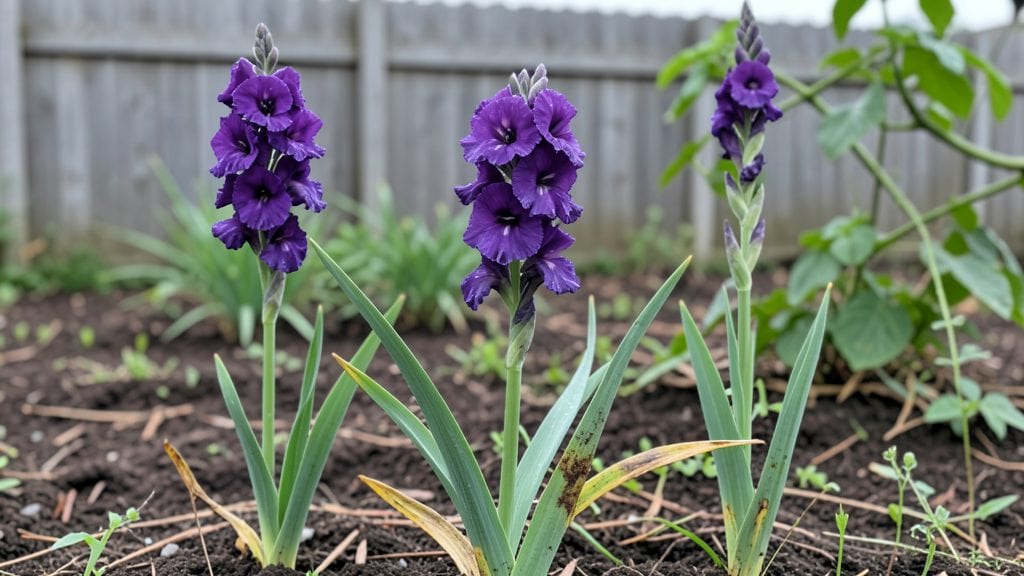
Whether gladioli grow as annuals or perennials depends entirely on your climate zone—perennial in USDA Zones 8-10 but treated as annuals in colder Zones 3-7. Their hardy bulbs can be stored through winter for replanting in spring.
Gladioli thrive in warmer regions because their bulbs naturally survive winter's chill without damage. In colder zones, frost kills the foliage and roots, forcing gardeners to treat them as annuals unless they dig up and store the bulbs properly.
I’ve found that Zone 7 serves as the tipping point—some years the bulbs survive, but others require overwintering care to ensure next year’s blooms. 🌱
What sets gladioli apart is their bulb’s ability to enter dormancy, a survival strategy that lets them "sleep" through harsh conditions. When you store them in cool, dry conditions (around 40-50°F), you’re essentially mimicking their natural winter rest period.
This isn’t just about temperature—proper ventilation prevents rot, while too much humidity invites mold. I’ve seen firsthand how a few extra weeks of dormancy storage can mean the difference between vibrant spring blooms and wasted bulbs.
💡 In This Article
- How Gladiolus Bulbs Survive Winter in Different Climates
- Step-by-Step Guide to Overwintering Gladiolus Bulbs
How gladiolus bulbs survive winter in different climates
Gladiolus bulbs rely on a natural dormancy cycle that triggers when temperatures drop below 50°F. In USDA Zones 8-10, where winters rarely dip below freezing, these bulbs remain dormant but undamaged, allowing them to regrow each spring.
The key difference lies in their frost tolerance—bulbs can handle light frosts (-5°F) but suffer irreversible damage at -10°F or colder, which explains why they're perennial in warmer zones but annuals in colder ones. 🌡️
The bulb's survival strategy involves converting stored nutrients into protective compounds during dormancy. Studies show gladioli bulbs contain high levels of fructans (a type of carbohydrate) that act as antifreeze, preventing ice crystal formation in cells.
In Zone 7 and below, where winter temperatures frequently drop below 20°F, these protective mechanisms fail, causing cellular damage to both the bulb and its root system. The root hairs, which are critical for nutrient uptake, are particularly vulnerable to freeze-thaw cycles.
What most gardeners don't realize is that even in colder zones, gladioli bulbs can survive if given proper chilling requirements. Bulbs need 6-8 weeks of temperatures between 35-45°F to break dormancy successfully in spring.
This chilling period mimics natural winter conditions, preparing the bulb for regrowth. In warmer zones, this happens naturally, while gardeners in colder climates must replicate these conditions through storage techniques. 🌱
The root system plays a crucial role in determining whether gladioli survive as perennials. In Zones 8-10, the fibrous roots establish deep enough to access moisture during dry periods while still protecting the bulb from extreme cold.
However, in Zones 7 and below, these roots often freeze back to the ground, leaving the bulb vulnerable. The depth of planting matters too—bulbs planted 4-6 inches deep have better insulation than those planted shallowly.
Here's what happens biologically when temperatures drop: The bulb's meristem (growth center) enters a state of suspended animation, halting metabolic activity. This process conserves energy but requires the bulb to remain dry—excess moisture causes rot by activating fungal spores that thrive in cold, wet conditions.
In warmer zones, natural rainfall provides just enough moisture without causing damage, while colder zones require artificial drying before storage. 💧
Consider this comparison: A gladiolus bulb in Zone 9 might experience 50-60°F winters with occasional dips to 25°F, while one in Zone 5 faces -10°F for weeks. The difference isn't just temperature but duration—prolonged cold stress in colder zones leads to cumulative damage that storage can't always reverse.
This is why gardeners in Zone 7 often get partial success with overwintering, while those in Zone 5 rarely do without careful storage protocols.