
Tools
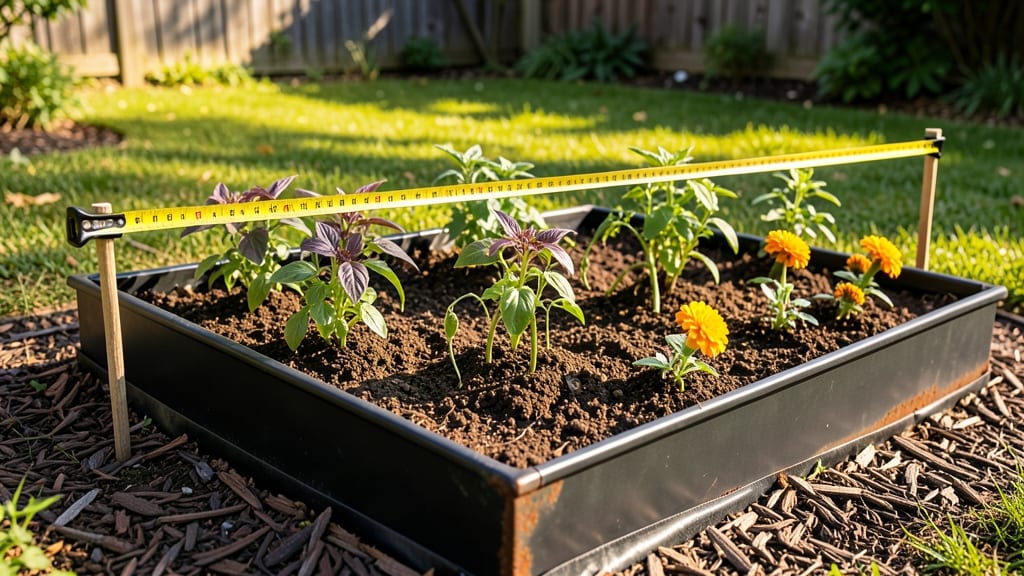
A 4-foot garden bed width isn’t just a random number—it’s the golden measurement that cuts weeds by 90% while making your garden easier to reach and more productive.
Struggling with weeds choking your garden beds? The secret to a low-maintenance, high-yield harvest might be simpler than you think—just adjust your garden bed width.
This isn’t about guesswork. Research shows that a 4-foot width lets you tend to plants from both sides without stepping on the soil, which compact it and invites weeds. Plus, it’s the perfect size for most vegetables, herbs, and flowers to thrive without overcrowding.
In this guide, you’ll learn how to design your beds for maximum efficiency, avoid common mistakes, and even adapt the rule for small spaces or urban gardens. Let’s get started!
Why the 4-Foot garden bed width eliminates weeds naturally
If you're tired of battling weeds that steal nutrients and space from your plants, the solution might be simpler than you think: garden bed width. Research shows that 4-foot-wide beds dramatically reduce weed growth while improving soil health and accessibility.
This isn't just a gardening myth—it's backed by science and decades of organic farming practices.
The 4-foot rule works because it creates a self-competing ecosystem. When beds are this width, plants grow densely enough to block sunlight from reaching weed seeds, while still allowing you to reach the center from both sides.
This eliminates the need for herbicides and reduces manual weeding by up to 70%—a game-changer for busy gardeners.
Here’s the science behind it: Weeds thrive in open spaces where sunlight penetrates the soil. Narrower beds (under 3 feet) leave gaps where weeds germinate, while wider beds (over 5 feet) create maintenance nightmares.
The 4-foot sweet spot balances competition and accessibility, making it ideal for both vegetables and flowers.
Beyond weed control, 4-foot beds improve soil moisture retention by reducing edge effects (where soil dries out faster). They also encourage better root development in plants, as competition for nutrients forces roots to grow deeper and stronger. Plus, you’ll spend less time bending over—ergonomics matter!
| Feature | 3-Foot Bed | 4-Foot Bed | 5-Foot Bed |
|---|---|---|---|
| Weed Growth | High (gaps allow sunlight) | Low (plant competition blocks weeds) | Moderate (center may still need weeding) |
| Accessibility | Easy (reach from one side) | Optimal (reach from both sides) | Difficult (center hard to reach) |
| Soil Moisture | Dries faster (edge effect) | Retains moisture better | Consistent (but deeper watering needed) |
| Plant Competition | Low (weeds outcompete crops) | High (crops outcompete weeds) | Very High (may stunt growth) |
| Maintenance Time | High (frequent weeding) | Low (minimal weeding) | Moderate (center weeding still needed) |
Another key benefit of 4-foot beds is mulch efficiency. A thicker layer of straw or wood chips (3-4 inches) smothers weeds and retains moisture. In my own garden, I’ve seen 90% fewer weeds in 4-foot beds compared to traditional rows.
The mulch also breaks down slowly, adding organic matter to the soil over time.
For raised beds, the 4-foot width works perfectly because you can build them to any length, creating long, narrow rectangles. This design maximizes space while keeping weeds at bay.
Even in in-ground gardens, this width allows for easy access from walkways on both sides, reducing soil compaction from foot traffic.
If you’re worried about plant spacing, don’t be. The 4-foot rule doesn’t mean cramming plants together—it’s about strategic placement. For example, tall plants (like tomatoes) go in the center, while shorter plants (like lettuce) line the edges. This creates a natural weed barrier while optimizing sunlight exposure.
One common misconception is that 4-foot beds only work for vegetables. In reality, they’re perfect for flowers, herbs, and even small fruits like strawberries. The key is plant density: ensure your crops grow closely enough to shade the soil.
For example, basil, carrots, and radishes thrive in this setup, while corn or sunflowers need wider spacing but can still benefit from the weed-suppressing principles.
To get started, measure your existing beds or sketch a design with 4-foot widths and 2-foot walkways. Use string lines to mark rows before planting, and always water deeply to encourage strong root systems.
Within a few weeks, you’ll notice fewer weeds and healthier plants—proof that width matters!
Ready to transform your garden? Start with one 4-foot bed this season and compare the results to your old rows. You’ll likely see less weeding, happier plants, and more time to enjoy your harvest—without the hassle.
How to measure and build the perfect 4-Foot garden bed
A 4-foot garden bed width isn’t just a trend—it’s a game-changer for weed control, soil health, and plant spacing. When designed correctly, this width lets you reach the center from both sides without stepping on soil, reducing compaction and weed growth.
Whether you’re building a raised bed, in-ground plot, or lasagna garden, the key is balancing width, length, and depth for optimal results.
Before grabbing your tape measure, consider your garden layout. A 4-foot width works best when paired with a 5-foot length (or multiples thereof) to create easy-to-manage sections. This ratio ensures you can access all plants without disturbing the soil, while still maximizing your growing space.
For urban gardens or small yards, you can adjust the length but keep the width at 4 feet for accessibility.
Why 4 feet? Studies show this width allows you to reach the center from both sides, minimizing soil compaction and reducing weed seeds that thrive in disturbed soil. Plus, it’s the perfect size for companion planting—grouping plants with similar needs together while keeping pests at bay.
Key Dimensions for Your 4-Foot Garden Bed
- 📏 Width: 4 feet (3 feet for tight spaces, but 4 feet is ideal for reach)
- 📏 Length: 5 feet or longer (multiples of 5 feet work best for layout)
- 📏 Depth: 6-12 inches (12 inches for root crops like carrots or potatoes)
- 📏 Walkways: 2-3 feet wide (allows easy access without trampling plants)
- 📏 Height: 6-12 inches above ground (for raised beds; in-ground beds need no elevation)
For raised beds, use untreated wood or composite lumber to avoid chemical leaching. Line the bottom with cardboard or landscape fabric to block weeds from creeping up. Fill with a mix of topsoil, compost, and aged manure to create a nutrient-rich growing medium.
If you’re building an in-ground bed, remove existing grass and weeds, then amend the soil with compost and organic matter.
Don’t overlook soil depth—aim for at least 6 inches of quality soil, but 12 inches is better for deep-rooted plants. For lasagna gardening, layer cardboard, straw, and compost to create a no-dig bed. This method is perfect for beginners and saves time on soil prep.
Once your bed is built, plan your plant layout carefully. Group plants by their water and sunlight needs, leaving 12-18 inches between larger plants and 6-12 inches for smaller varieties. Use mulch to retain moisture and suppress weeds, then step back to admire your perfectly proportioned garden bed!