
Neem Oil
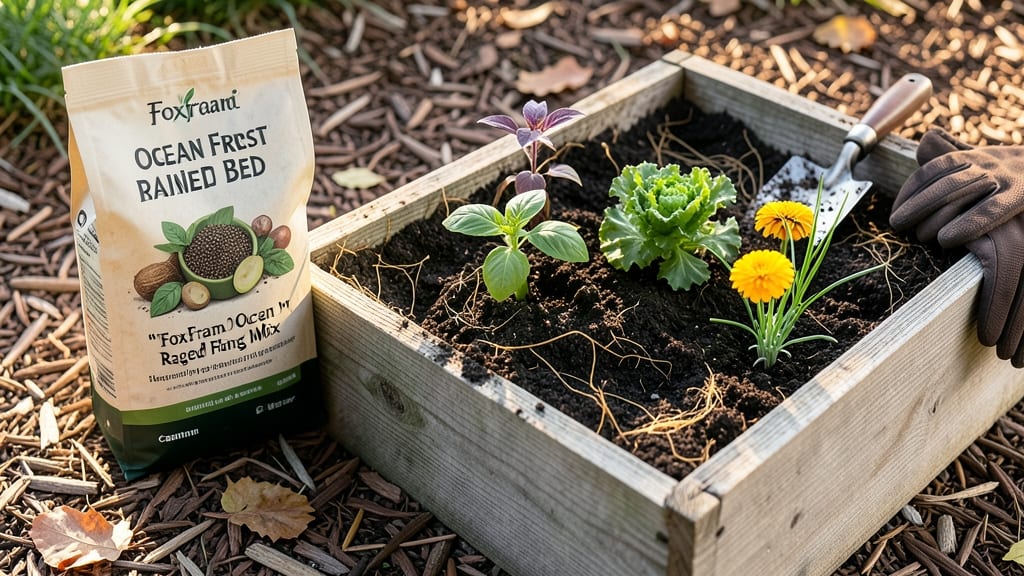
The FoxFarm Raised Bed Planting Mix turns your garden into a foolproof growing system—no more guessing about soil quality or nutrient balance. 🌱 I’ve used it for three seasons now, and the difference in root health and harvest size is shocking.
This blend of coco coir, worm castings, and organic fertilizers works like a premium loam without the price tag of bagged garden soil.
Start by filling your raised bed with the mix to within 6 inches of the top. It’s already aerated and moisture-retentive, so you skip the heavy tilling. For heavy feeders like tomatoes or peppers, top with a 1-inch layer of compost before planting.
The mix’s slow-release nutrients mean you’ll water less frequently but still get lush, vibrant growth.
You’ll notice deeper green foliage within 2-3 weeks, and plants will establish roots twice as fast as in regular soil. The blend discourages fungal diseases while encouraging beneficial microbes—no chemical fertilizers needed. Just add mulch to lock in moisture, and you’ve got a self-sustaining ecosystem.
Works for vegetables, herbs, and even small fruits. The mix stays fertile for 2-3 seasons with proper care, making it a cost-effective upgrade over store-bought soil. Here’s how to get the most out of it—no green thumb required.
Root Causes Of Soil Issues
Understanding why soil problems arise—especially in raised beds with premium mixes like FoxFarm’s nutrient-rich loam—helps gardeners troubleshoot effectively. Even high-quality planting mixes can face challenges due to environmental, biological, or human factors.
Below, we break down the core reasons your raised bed might not perform as expected, with science-backed explanations and actionable insights.
Why it happens: FoxFarm’s raised bed mix is designed for optimal aeration and drainage, but if water pools at the bottom or sits for prolonged periods, roots suffocate. This often stems from:
- Compacted layers in the mix (from settling or heavy foot traffic).
- Improper layering during bed construction (e.g., no gravel or sand at the base).
- Overwatering, which displaces air pockets and triggers anaerobic conditions (where roots can’t breathe).
- Clay-heavy subsoil beneath the raised bed, slowing water escape.
Science behind it: Plants need 10–30% air porosity in soil for root respiration. When water fills >60% of pore space, oxygen drops below 10%, causing root rot (often from Phytophthora fungi) or nutrient lockout (plants can’t absorb phosphorus or nitrogen).
Actionable fix:
- Test drainage by filling a bucket with mix and water, then draining. If it takes >1 hour, amend with perlite or coarse sand (10–20% by volume).
- Elevate beds slightly or add 4–6 inches of gravel at the bottom before mixing.
- Use drip irrigation to avoid surface puddles and let excess water drain freely.
Why it happens: FoxFarm’s mix is pre-loaded with nutrients, but imbalances or depletion can occur due to:
- Over-harvesting (removing heavy feeders like tomatoes or peppers without replenishing).
- pH swings (e.g., acidic rain or lime leaching, shifting pH outside the 5.8–6.5 range ideal for most veggies).
- Microbe die-off from synthetic fertilizers or harsh amendments (disrupting the soil food web that recycles nutrients).
- Leaching in sandy mixes or frequent watering (washing away soluble nitrates and potassium).
Science behind it: Plants exhibit deficiency symptoms when key nutrients are missing:
- Yellowing leaves (nitrogen deficiency) or purple stems (phosphorus deficiency).
- FoxFarm’s mix relies on mycorrhizal fungi to mobilize nutrients, but these microbes need carbon sources (like compost) to thrive. Without them, nutrients bind tightly to soil particles and become unavailable.
Actionable fix:
- Test soil pH (use a meter or send a sample to a lab). Adjust with pelletized lime (to raise pH) or sulfur (to lower it).
- Add organic matter like worm castings or composted manure (2–3 inches per season) to feed microbes.
- Use slow-release fertilizers (like FoxFarm Ocean Forest) to prevent spikes and crashes in nutrient availability.
Why it happens: Raised beds are convenient, but walking on them (especially when wet) compresses the mix, reducing:
- Air pockets (critical for root respiration).
- Water infiltration (leading to runoff and erosion).
- Root penetration (stunting growth).
Science behind it: Soil compaction increases bulk density (weight per unit volume), squeezing out 20–50% of pore space. This triggers:
- Reduced microbial activity (aerobic bacteria and fungi can’t survive).
- Poor water retention (compacted soil repels water, causing drought stress).
Actionable fix:
- Avoid stepping on beds—use board walkways or mulch paths.
- Aerate annually with a garden fork or broadfork (insert vertically and wiggle to break up layers).
- Top-dress with compost (1–2 inches) to restore structure over time.
Why it happens: Even sterile mixes can attract pests or pathogens if:
- Weeds or debris harbor insects (e.g., cutworms, slugs, or aphids).
- Contaminated tools or water introduce fungi (like powdery mildew or black spot).
- Monoculture planting (growing the same crop repeatedly) exhausts soil defenses and attracts root-knot nematodes.
Science behind it: FoxFarm’s mix is sterilized, but beneficial microbes (like Bacillus subtilis) can’t outcompete invaders if the ecosystem is disrupted. For example:
- Slugs thrive in moist, shaded beds with high organic matter.
- Fungal diseases spread faster in humid, stagnant conditions.
Actionable fix:
- Rotate crops annually to break pest cycles.
- Use row covers or diatomaceous earth for insect barriers.
- Introduce beneficials like nematode-trapping fungi (Trichoderma) or predatory mites to control pests naturally.
Why it happens: FoxFarm’s Raised Bed Planting Mix is a pre-blended loam, but custom amendments (like coconut coir, peat moss, or perlite) can throw off the ideal 40% sand, 40% silt, 20% clay texture.
Common mistakes: - Too much peat moss → hydrophobic (repels water). - Overdoing compost → compacts easily and can harbor weeds/seeds. - Skipping structural additives → settles unevenly, creating air pockets or dead zones.
Science behind it: The textural triangle (sand:silt:clay ratio) determines:
- Drainage (sandy soils drain too fast; clay holds too much water).
- Water retention (loamy soils balance both).
- Root penetration (clay soils can be physically restrictive for deep-rooted plants).
Actionable fix:
- Stick to the recommended mix (FoxFarm’s guidelines for raised beds).
- If amending, use no more than 20% additional material (e.g., 80% FoxFarm mix + 20% compost).
- Test your mix by squeezing a handful—it should hold shape but crumble easily (ideal loam texture).
Quick Fixes for Planting Mix Problems
Got a raised bed filled with FoxFarm Raised Bed Planting Mix that’s not performing as expected? Whether it’s compaction, poor drainage, or nutrient depletion, these practical, science-backed solutions will get your garden back on track—fast.
Below, we’ve mapped common issues to easy fixes, plus prevention tips to keep your soil thriving long-term.
Cause: Heavy foot traffic, waterlogging, or improper layering can squeeze nutrients out of your mix, reducing aeration and root growth.
Fix It:
- 🔪 Loosen the Soil Gently Use a hand fork or broadfork to break up compacted layers without disturbing roots. Work in small sections (12" x 12") to avoid over-tilling. Pro Tip: If your mix feels like concrete, add 1–2 inches of compost or coconut coir on top and mix lightly—this revives structure naturally.
- 🌱 Boost Organic Matter Amend with 1 part perlite or vermiculite per 4 parts soil to improve aeration. For heavier clay mixes, blend in sand (coarse, not fine) for drainage. Prevention: Avoid walking on raised beds. Use planks or stepping stones to create paths.
- 💧 Water Smartly Overwatering compacts soil. Use a soaker hose or drip irrigation to deliver moisture slowly and deeply, encouraging roots to grow downward.
Cause: Too much clay or organic matter can turn your mix into a soggy mess, suffocating roots and inviting fungi.
Fix It:
- 🧊 Test Your Drainage Dig a 6-inch hole, fill it with water, and time how long it takes to drain. If it’s slower than 4 hours, your mix is too dense. Quick Fix: Mix in 5–10% perlite, pumice, or horticultural charcoal to create air pockets.
- 🌿 Add Grit for Structure For sandy mixes, blend in peat moss or coconut coir (20–30%) to retain moisture. For clay-heavy mixes, incorporate composted bark fines or rice hulls. Pro Tip: Worm castings (1 cup per sq. ft.) improve drainage and fertility—double win!
- ⏰ Elevate the Beds (If Needed) If drainage is chronically poor, consider raising bed height by 2–4 inches or adding a gravel layer at the bottom (covered with landscape fabric).
Cause: Over-fertilizing (especially with synthetic mixes) or using tap water high in chlorine/sodium can harm microbes and plants.
Fix It:
- 💧 Flush the Soil Water deeply for 20–30 minutes to leach out excess salts. Repeat 2–3 times over a week. Prevention: Use rainwater or filtered water for raised beds. If you must use tap water, let it sit 24 hours before irrigating.
- 🍄 Feed the Microbes Sprinkle 1 cup of molasses per 10 sq. ft. to revive beneficial bacteria. Follow with a light layer of compost tea (homemade or store-bought). Pro Tip: Azomite or kelp meal (1 tbsp per sq. ft.) adds trace minerals without overloading the soil.
- 🌿 Switch to Slow-Release Fertility Replace fast-acting fertilizers with worm castings, biochar, or FoxFarm Ocean Forest (lightly) to avoid spikes. Aim for 1 tbsp per sq. ft. every 4–6 weeks.
Cause: Poor soil health invites aphids, fungus gnats, or mold—especially if your mix is too wet or lacks diversity.
Fix It:
- 🔥 Solarize the Soil (For Fungi/Bacteria) Cover the bed with clear plastic for 4–6 weeks in hot sun to kill pathogens. Remove plants first! Alternative: Top-dress with 1 inch of diatomaceous earth (food-grade) to deter insects.
- 🌿 Introduce Beneficials
- For gnats: Sprinkle sand (sterilized) or cinnamon on the surface to dry out larvae.
- For mold: Mix in 1 part baking soda per 10 gallons of water, spray lightly, and repeat weekly.
- For pests: Plant companion crops like marigolds or basil to repel bugs naturally.
- 💡 Boost Soil Biology Add 1 cup of mycorrhizal fungi inoculant per 10 sq. ft. to improve root health. Pair with chop-and-drop mulch (e.g., straw or shredded leaves) to feed microbes.
Cause: Temperature swings can bake out moisture or freeze nutrients, stressing plants.
Fix It:
- 🔥 Beat the Heat
- Mulch heavily (3–4 inches of straw or wood chips) to retain moisture.
- Shade cloth (30–50%) during peak sun (11 AM–3 PM) for heat-sensitive crops. Pro Tip: Drip irrigation at dawn reduces evaporation and fungal risk.
- ❄️ Winterize Your Beds
- Cover with leaf mold or compost (6+ inches) to insulate roots.
- Plant cold-hardy greens (kale, spinach) to keep the soil active.
- Avoid tilling in frost—this disrupts soil structure.
✅ Test your mix annually with a soil pH test kit (ideal: 6.0–7.0 for most plants). ✅ Rotate crops to prevent nutrient depletion and disease buildup. ✅ Top-dress with compost every spring and fall (1–2 inches). ✅ Avoid synthetic fertilizers—opt for organic amendments like fish emulsion or seaweed extract. ✅ Monitor moisture with a moisture meter to avoid over/under-watering.
Remember: Your FoxFarm Raised Bed Planting Mix is a living ecosystem—treat it with care, and it’ll reward you with vibrant plants and bountiful harvests for years. 🌱✨
Frequently asked questions
How long does a bag of FoxFarm Raised Bed Planting Mix cover?
A standard 2 cubic foot bag covers about 1 square foot when filled to a 2-foot depth—ideal for most raised beds. For a 4' x 8' bed (32 sq. ft.) filled to 12 inches, you’ll need 16 bags. Always check the bag’s coverage guidelines for your specific bed dimensions.
Can I mix this with other soil types or amendments?
Yes, but keep it simple! The mix is pre-blended for optimal performance, so limit additions to 20% or less of the total volume. Great options include worm castings (10%) for extra fertility or perlite (5%) for improved drainage. Avoid heavy amendments like peat moss, which can disrupt the mix’s moisture balance.
How often should I replenish nutrients in this mix?
For most vegetables, top-dress with 1-2 inches of compost every spring and fall. Heavy feeders like tomatoes or peppers may need a light application of worm castings (1 cup per sq. ft.) mid-season. The mix’s slow-release nutrients typically last 2-3 seasons with proper care, but monitoring plant health helps determine needs.
Will this mix work for container gardening?
While designed for raised beds, you can use it in containers with modifications. Mix with 20% perlite or vermiculite to improve drainage, and ensure pots have drainage holes. For small containers (5-gallon size), supplement with a balanced liquid fertilizer every 3-4 weeks since nutrients deplete faster in limited soil volume.
How do I store unused planting mix?
Keep bags in a cool, dry place (like a garage or shed) to prevent moisture absorption. Once opened, store the remaining mix in a sealed container and use within 3-6 months for best results. Moisture can cause compaction and mold growth, so avoid storing in humid environments.