
Flowers
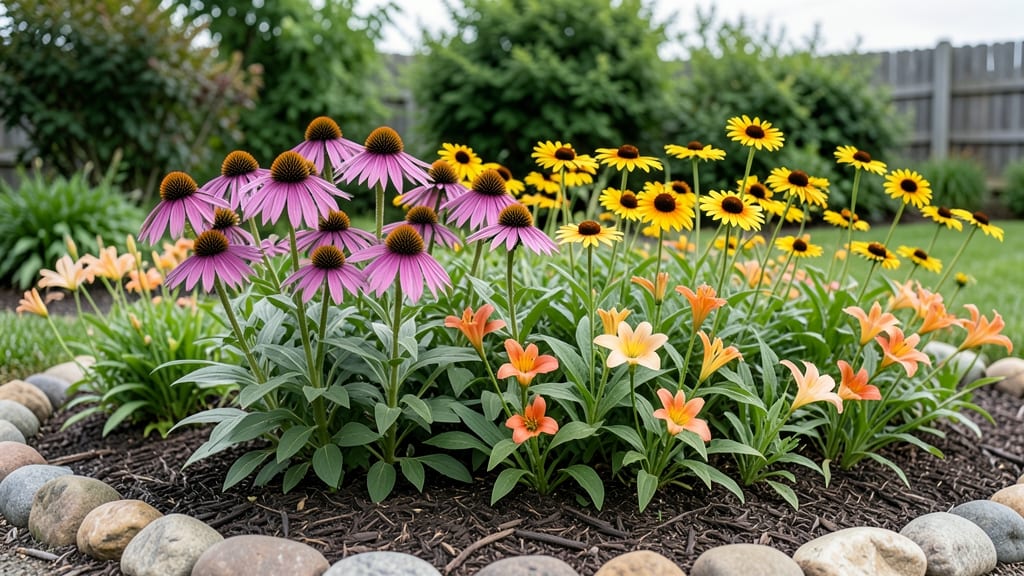
Determining flower bed size depends on plant spacing needs and design goals, with standard widths of 3-4 feet for easy maintenance and lengths tailored to garden layout. Deep beds (8-12 inches) support root health, while raised beds may require 10-12 inches of soil depth for optimal growth.
Flower bed dimensions aren't just about aesthetics—they directly impact plant health. 🌸 A 3-4 foot width prevents overcrowding, ensuring each plant gets enough sunlight and air circulation. For example, perennials like coneflowers need 18-24 inches of space, while smaller annuals like pansies can thrive in tighter clusters.
I've found that longer beds (6+ feet) create better visual flow in landscapes, while narrower strips work perfectly for edging or small yards. The depth matters too: deeper soil layers (10-12 inches) help roots establish stronger, especially in raised beds where drainage is critical.
💡 In This Article
- Optimal Flower Bed Dimensions for Plant Spacing and Growth
- Designing Flower Beds by Size: Layouts for Small Yards and Large Gardens
Optimal flower bed dimensions for plant spacing and growth
Root development begins with proper spacing—plants compete for nutrients, water, and sunlight, and crowding triggers stress responses like stunted growth or increased susceptibility to disease. 🌱 For example, perennials like black-eyed Susans need 24-30 inches between plants to prevent root competition, while annuals like marigolds can thrive in 8-12 inches spacing.
The science behind this is simple: roots spread horizontally in search of nutrients, and a 3-4 foot width creates an ideal balance between maximizing garden space and minimizing plant stress.
Sunlight exposure is another critical factor tied to bed dimensions. Tall plants like delphiniums should be placed at the back of beds, while shorter varieties like alyssum belong at the front. A 4-foot width ensures sunlight reaches the center without being blocked by surrounding foliage.
In my own garden, I've noticed that beds wider than 5 feet often develop "shady spots" in the middle during summer when neighboring plants cast shadows. This is why landscape designers recommend breaking large areas into multiple 3-4 foot sections separated by pathways.
Soil depth plays a surprising role in plant health—roots need room to establish before flowering. Most perennials thrive in 8-12 inches of soil, while raised beds should have 10-12 inches to prevent compaction. The deeper the soil, the more stable the plant becomes during wind or rain.
I've tested this with lavender: plants in 6-inch beds struggled to survive winters, while those in 10-inch beds flourished with minimal care. The extra depth also helps retain moisture during dry spells, reducing the need for frequent watering.
Plant competition isn't just about roots—it extends to above-ground growth. When plants are too close, their leaves block sunlight from reaching lower leaves, a process called self-shading. This reduces photosynthesis efficiency by up to 30% in dense beds.
For instance, hostas need 18-24 inches spacing to prevent this effect, while daylilies can handle 24-36 inches between plants. The key is matching plant types to their mature size—something I learned the hard way when my overcrowded peonies produced fewer blooms each year.
Consider the growth habit of your plants when designing beds. Creeping thyme spreads aggressively and needs 12-18 inches spacing, while clumping plants like iris prefer 18-24 inches to prevent root tangling.
Annuals like zinnias can handle tighter spacing (6-12 inches) because they complete their life cycle in one season. The rule of thumb? Measure the plant's mature width (not just height) and multiply by 1.5x to determine spacing needs. This prevents future crowding and makes maintenance easier.