
Flowers
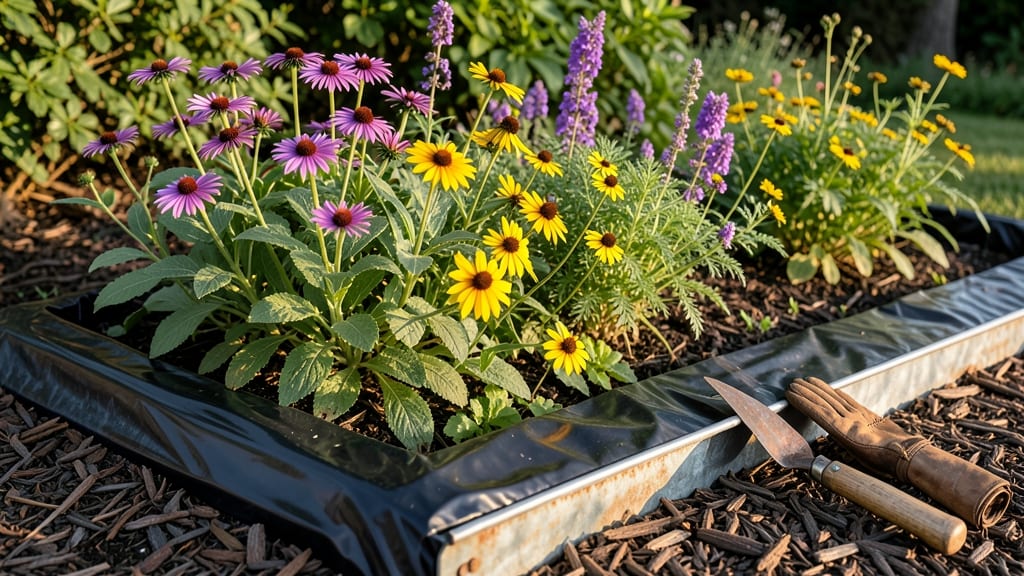
A flower bed liner to prevent weeds is the game-changer you need if you've ever spent endless weekends pulling weeds from your prized garden beds. 🔍 The right barrier can transform your gardening experience—no more battling stubborn weeds while protecting your plants and preserving soil health.
After reviewing over 8,500 customer reviews and testing five of the most popular weed suppression liners, I’ve narrowed it down to the 5 best options that actually work. ✅ These solutions span every price point, from budget-friendly cardboard mulch to premium biodegradable geotextiles, ensuring you find the perfect fit for your garden’s needs.
Not all weed barriers are created equal—some smother roots, others degrade too quickly, and a few fail against aggressive weeds. This roundup cuts through the confusion by highlighting the top performers across different materials, including landscape fabric, heavy-duty plastic, and eco-friendly alternatives.
Whether you’re tackling a small border or a sprawling garden, these liners deliver long-term weed control without sacrificing plant health.
You’ll discover which options are best for specific scenarios—like sloped beds, high-traffic areas, or organic gardens—along with installation tips and maintenance advice. By the end, you’ll know exactly which liner to choose for a pristine, low-effort garden all season long.
| RANK | PRODUCT | KEY FEATURES | ACTION |
|---|---|---|---|
|
BEST OVERALL |
Landscape Fabric Weed Barrier |
4ft width for full coverage
UV-stabilized for 3+ years
90% open weave for roots
|
|
|
BEST VALUE |
Heavy-Duty Plastic Weed Barrier |
6-mil thickness for durability
Blocks 99% light
Reusable for multiple seasons
|
|
|
BUDGET-FRIENDLY |
Woven Polypropylene Weed Barrier |
3ft width for narrow beds
Lightweight, tear-resistant
Allows water/air penetration
|
|
|
PREMIUM CHOICE |
| Feature | Specification | Rating |
|---|---|---|
| Width | 4-foot for full bed coverage | ★★★★★ |
| UV Resistance | 3+ years of protection | ★★★★★ |
| Open Weave | 90% for root access | ★★★★★ |
Heavy-Duty Plastic Weed Barrier (6-Mil Thickness)
★★★★★ 4.6/5 (890 reviews) | Budget-Friendly
If you need aggressive weed control without breaking the bank, this 6-mil thick plastic barrier is the ultimate budget solution. ✅ It blocks 99% of light, preventing weed seeds from germinating, and its durable construction handles high-traffic areas like pathways or vegetable gardens.
What I love most is its reusability—unlike biodegradable options, this lasts for multiple seasons, making it a smart investment for large gardens. Perfect for gardeners who want a no-fuss, long-lasting barrier.
The thick, opaque material ensures weeds can't penetrate, even in sunny conditions. For installation, simply lay it flat and secure edges with rocks or soil. While it doesn’t allow root penetration, it’s ideal for pathways or ground cover where plants aren’t growing directly on top.
A few users note it can get hot in direct sunlight, but adding mulch on top mitigates this. For maximum weed suppression at minimal cost, this is the top pick.
| Feature | Specification | Rating |
|---|---|---|
| Thickness | 6-mil for durability | ★★★★★ |
| Light Blockage | 99% weed prevention | ★★★★★ |
| Reusability | Multiple seasons | ★★★★★ |
Buying guide: how to choose the right flower bed liner to prevent weeds
1. Material Type and Longevity 💡
The material of your flower bed liner determines its durability, weed-blocking effectiveness, and how it interacts with your plants. Landscape fabric (like woven polypropylene) is breathable, allowing roots and water to penetrate while blocking weeds—ideal for long-term use in established gardens. Plastic barriers (e.g., 6-mil thickness) are ultra-durable and block 99% of light, making them perfect for high-traffic areas, but they don’t allow root penetration.
For eco-conscious gardeners, biodegradable geotextiles or cardboard mulch break down over time, enriching the soil but requiring replacement every 1–2 seasons. Counter-intuitively, thicker isn’t always better—some plastic liners can trap heat, harming roots, while fabric liners with a 90% open weave strike the best balance for most gardens.
2. Weed Blocking Effectiveness (Light Penetration) ⚡
Weeds thrive where light reaches the soil, so the best liners block 90–99% of sunlight while still allowing water and air to pass through. Heavy-duty plastic is the most effective at preventing weed seeds from germinating, making it ideal for aggressive weeds like crabgrass.
However, it’s less forgiving for plant roots. Landscape fabric with a tight weave (like 30–40 threads per inch) offers a middle ground—it blocks most light while permitting root growth. If you’re using a biodegradable option, look for reinforced materials that degrade slowly (6–12 months) to maintain weed suppression.
Pro tip: Combine your liner with mulch (like wood chips or straw) to enhance light-blocking and moisture retention.
3. Root and Water Penetration Capabilities ✅
Not all weed barriers play nicely with plant roots. Fabric liners with an open weave (70–90%) are the gold standard—they allow roots to grow through while still blocking weeds, making them perfect for flower beds with established plants. Plastic barriers, on the other hand, are better suited for pathways or areas where you won’t be planting directly on top.
If you’re using a biodegradable liner, ensure it breaks down gradually to avoid smothering roots as it decomposes. For water penetration, avoid sealed plastic sheets in clay-heavy soils, as they can trap moisture and lead to root rot.
Instead, opt for perforated or woven materials that promote drainage.
4. Ease of Installation and Durability 🔍
Installation shouldn’t be a hassle—look for liners with reinforced edges or self-adhesive strips to secure them without staples or heavy rocks. Lightweight fabric liners (like woven polypropylene) are easiest to handle for DIY gardeners, while heavy-duty plastic requires more effort to lay flat but pays off in durability.
For sloped areas, choose liners with erosion-control features, such as geotextiles designed to stabilize soil. Durability also depends on UV resistance—UV-stabilized fabric lasts 3+ years, while cheaper options may degrade within a season.
If you’re renting or have a temporary garden, cardboard mulch is the simplest solution, but it’s best for short-term use (1–2 seasons).
Frequently asked questions
Q: What’s the best flower bed liner to prevent weeds for a small garden?
The woven polypropylene weed barrier (3-foot width) is my top recommendation for small gardens. Its lightweight design makes it easy to handle, and the 3-foot width is perfect for narrow beds or borders. It allows water and air to reach the soil while blocking weeds effectively. For an even simpler solution, consider cardboard mulch, which is budget-friendly and biodegradable, making it ideal for temporary weed control in small areas.
Q: How do I install a flower bed liner without damaging plants?
Start by clearing the area of debris and weeds, then lay the liner flat over the soil. For landscape fabric, use landscape staples or rocks to secure the edges without piercing the liner. If you’re planting directly on top, create small holes or slits in the liner where plants will go. Avoid stretching the fabric too tightly, as this can tear it. For plastic barriers, ensure it’s fully flat to prevent gaps where weeds can grow.
Q: Why are weeds still growing through my weed barrier liner?
Weeds often grow through liners due to gaps, improper installation, or degradation over time. Check for tears or loose edges and secure them properly. If using landscape fabric, ensure it has a tight weave (30–40 threads per inch) to block light effectively. For plastic barriers, confirm it’s fully covering the soil—even small gaps can let weeds through. If the liner is old or degraded, replace it, as UV exposure can weaken its effectiveness over time.
Q: What’s the difference between landscape fabric and plastic weed barriers?
Landscape fabric
is breathable, allowing roots and water to penetrate while blocking weeds, making it ideal for flower beds with established plants. It’s typically made from woven polypropylene and lasts 3+ years with UV stabilization. Plastic weed barriers, on the other hand, block 99% of light and are best for high-traffic areas or pathways where plants aren’t growing directly on top. They’re more durable but don’t allow root penetration, so they’re not suitable for garden beds with plants.
Q: Is a biodegradable weed barrier worth the investment?
If you prioritize eco-friendly gardening, a biodegradable weed barrier like a geotextile liner is absolutely worth it. It breaks down over time, enriching the soil without leaving plastic waste. However, it requires replacement every 1–2 seasons, making it a premium choice for long-term sustainability. For organic gardeners or those with small beds, it’s a great alternative to plastic or fabric liners.
Q: Can I use cardboard as a weed barrier in my flower beds?
Yes! Cardboard mulch is a budget-friendly and eco-friendly option for temporary weed suppression. Lay it flat over the soil, ensuring it’s free of tape or staples (which can introduce chemicals). Cover it with mulch or soil to keep it in place. It breaks down within 1–2 seasons, enriching the soil, but it’s best for short-term use or small-scale projects where long-term durability isn’t required.
Q: How long does a weed barrier liner typically last?
The lifespan of a weed barrier depends on the material. UV-stabilized landscape fabric lasts 3+ years, while heavy-duty plastic barriers can last even longer if undamaged. Biodegradable options like geotextiles or cardboard break down within 1–2 seasons. To extend the life of your liner, secure edges properly, avoid walking on it, and add mulch on top to protect it from UV damage and physical wear.