
Flowers
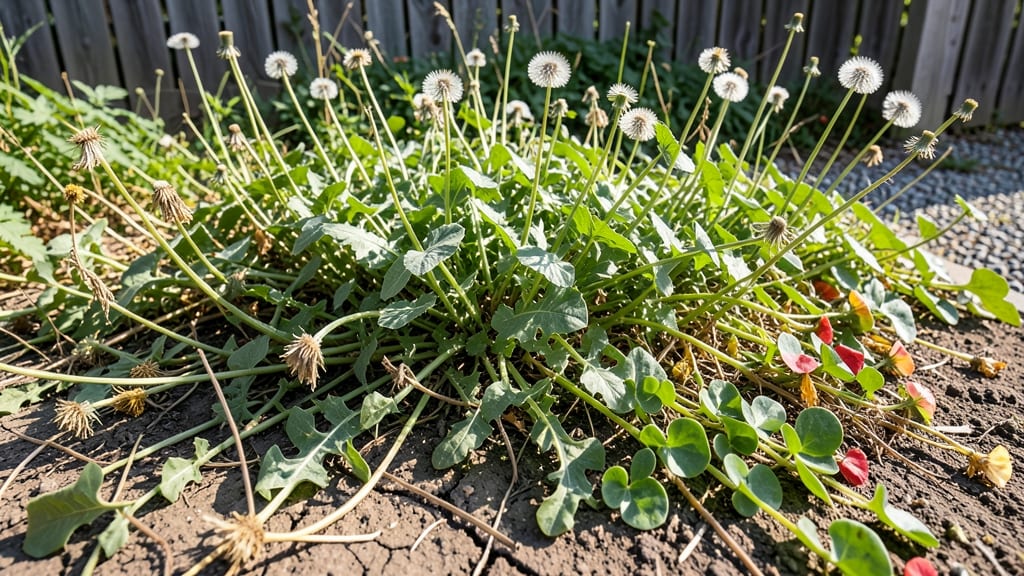
A flower bed full of weeds doesn’t mean a total loss—it’s just waiting for the right approach. The no-till method I’ve perfected saves time, preserves soil health, and gets your bed ready for blooms in under 30 minutes. No digging, no backbreaking work, just smarter control that actually works.
Weeds thrive when soil is disturbed, so the secret is to suffocate them without turning the earth. A thick layer of cardboard or newspaper blocks sunlight, while a 2-inch mulch of wood chips or straw finishes the job.
This method kills weeds at the roots while feeding your soil—no harsh chemicals needed. I’ve used this on beds overrun with dandelions and crabgrass, and the results are always the same: clean soil in days.
Once the weeds are gone, your bed will be ready for planting almost immediately. The mulch breaks down into nutrient-rich compost, so you can tuck in perennials or annuals right away.
For best results, water deeply after planting to help roots establish in the improved soil. This approach works year-round, but spring and fall are ideal for minimal regrowth.
Prevention is simple: maintain that mulch layer and consider adding a living ground cover like creeping thyme or clover. These plants crowd out weeds naturally while adding beauty and texture. With this method, your flower bed won’t just look better—it’ll stay healthier for seasons to come.
The Hidden Triggers Behind Overgrown Beds
If your once-vibrant flower bed has transformed into a jungle of unwanted plants, you’re not alone. Understanding the root causes—literally—is the first step to reclaiming your garden. Here’s why weeds take over and how they outsmart your flowers.
Weeds thrive where flowers falter, often because they’re better equipped to survive in less-than-ideal soil conditions. Here’s why:
- Shallow root systems: Many flowers have delicate roots that struggle in compacted or low-nutrient soil. Weeds, like dandelions and crabgrass, have deep or sprawling roots that tap into hidden water and nutrients, starving your flowers.
- Fast germination: Weeds like chenopodium (pigweed) and taraxacum (dandelion) sprout within days of bare soil exposure, giving them a head start. Flowers, especially perennials, often take weeks to establish.
- Nitrogen hogs: Some weeds (e.g., clover and thistles) fix nitrogen from the air, enriching the soil for themselves while depleting resources for slower-growing plants.
💡 Pro Tip: Test your soil’s pH and nutrient levels—most weeds prefer slightly acidic to neutral soil (pH 6.0–7.0), while many flowers thrive in slightly alkaline conditions (pH 7.0–8.0). Amending soil with compost or lime can tip the balance back in your favor.
Mother Nature plays a surprising role in weed dominance. Certain conditions create the perfect storm for unwanted growth:
- Excessive moisture: Weeds like poa annua (annual bluegrass) and digitaria (crabgrass) germinate rapidly in damp soil. Overwatering or poor drainage keeps soil perpetually moist, giving weeds a constant advantage.
- Drought stress: Paradoxically, dry spells can also trigger weed seeds to germinate. Many weeds have dormant seed banks that wait for the right conditions—like a sudden rain after drought—to sprout en masse.
- Sunlight exposure: Bare patches from dead plants or thinning foliage let sunlight hit the soil, signaling weeds to germinate. Flowers like hostas or ferns, which prefer shade, can’t compete once sunlight reaches their roots.
🌡️ Actionable Fix: Use mulch (2–4 inches of straw or wood chips) to block sunlight and retain moisture. For drought-prone areas, opt for drought-tolerant flowers like lavender or sedum, which outcompete weeds naturally.
Even the best-intentioned gardener can unintentionally invite weeds. Here’s how:
| Habit | How It Helps Weeds | Fix It With |
|---|---|---|
| Over-trimming grass clippings | Spreads weed seeds (e.g., poa trivialis) across the bed. | A grass cycler mower to leave clippings as mulch. |
| Using fresh mulch on bare soil | Buries weed seeds, triggering germination when moisture hits. | Cardboard or landscape fabric under mulch to block light. |
| Skipping seasonal cleanups | Dead flowers and leaves create microclimates where weeds like lamium (dead nettle) thrive. | Fall leaf removal and spring soil aeration. |
✨ Smart Swap: Replace annual tilling (which stirs up weed seeds) with a no-till method. A thick layer of compost or wood chips suppresses weeds by 80% while feeding your flowers.
Now that you know the culprits, the next step is turning the tide—without breaking your back. Stay tuned for a no-till, weed-free strategy that works in minutes.
Quick Fixes for Overrun Garden Beds
A flower bed choked with weeds doesn’t have to mean hours of backbreaking work. With the right approach, you can reclaim your space efficiently—especially using no-till methods that preserve soil health while banishing unwanted plants.
Below, we break down practical, step-by-step solutions tailored to common causes, from lazy maintenance to aggressive weed growth. Plus, we’ll share prevention tips to keep your garden lush and low-maintenance long-term.
When your soil lacks nutrients or mulch, weeds thrive faster than your intended plants. Fix it fast with these no-till strategies:
🔥 Step 1: Smother Weeds with Cardboard or Newspaper - How: Lay down 2–3 layers of wet cardboard or thick newspaper over the weed-infested area.
Wet the paper to prevent it from blowing away. - Why: Blocks sunlight, killing weeds in 2–4 weeks while decomposing into rich compost. - Pro Tip: 💡 Use black-and-white newspaper only (no glossy inserts). Avoid colored paper, which may contain harmful inks.
🍳 Step 2: Top with Mulch or Straw - How: Cover the cardboard with 2–3 inches of organic mulch (straw, wood chips, or shredded leaves).
Leave a small gap around plant stems to avoid suffocating them. - Why: Mulch suppresses new weeds, retains moisture, and feeds your soil as it breaks down. - Pro Tip: 🌡️ Straw mulch is ideal for annual flower beds because it decomposes quickly, adding nutrients without smothering plants.
⏰ Step 3: Plant Competitive Ground Covers (Optional)
- How: After weeds die, add fast-spreading ground covers like creeping thyme, clover, or ajuga to outcompete weeds naturally.
- Why: These plants crowd out weeds while adding beauty and soil benefits.
Prevention: ✨ Feed your soil annually with compost or a slow-release fertilizer to help flowers outcompete weeds. ✨ Water deeply but less frequently—weeds often thrive in shallow, dry soil where flowers struggle.
If you’ve neglected your flower bed for weeks (or months), weeds have likely gone to seed. Fix it without tilling with these targeted methods:
👨🍳 Step 1: Hand-Pull in Stages (No-Till Approach) - How: On a dry, sunny day, grip weeds at the soil line and pull upward with a quick jerk.
For deep roots (like dandelions), use a weeding fork to loosen them before pulling. - Why: Removes weeds before they seed, preventing next year’s infestation. - Pro Tip: 🎯 Pull when soil is moist (after rain or watering) for easier extraction.
🔪 Step 2: Use a Boiling Water or Vinegar Spray (Spot Treatment) - How: For stubborn weeds in cracks or between pavers, pour boiling water directly on the foliage (avoid desirable plants!).
Alternatively, mix 1 gallon of vinegar + 1 cup salt + 1 tbsp dish soap and spray on weeds (reapply every 2–3 days). - Why: Kills weeds on contact without disturbing soil structure. - Caution: ⚠️ Test vinegar mix on a small area first—it can harm some plants.
🌱 Step 3: Solarize the Soil (For Severe Cases) - How: Cover the weed-heavy area with clear plastic sheeting (secured with rocks or bricks) for 4–6 weeks in hot sun.
Check weekly to ensure the plastic stays in place. - Why: Bakes weeds and weed seeds in the soil, reducing regrowth by up to 90%. - Pro Tip: 🔥 Best in summer—soil temps need to reach 104°F+ (40°C+) for maximum effectiveness.
Prevention: 💡 Set a 10-minute weekly weeding habit—even pulling just a few weeds prevents them from seeding. 💡 Use a hoe between rows to chop weeds before they mature.
Moist, shady areas attract weeds like nettle, bindweed, or moss. Fix it with these shade-friendly solutions:
🌡️ Step 1: Improve Drainage
- How: If your bed stays soggy, amend soil with compost to improve drainage. For severe cases, consider raising beds slightly with gravel or sand.
- Why: Weeds like damp conditions—better drainage reduces their growth.
🌿 Step 2: Choose Shade-Tolerant Plants
- How: Replace weedy areas with competitive shade plants like:
- Hostas (crowd out weeds)
- Ferns (fast-growing ground cover)
- Lungwort or Astilbe (tough perennials)
- Why: These plants outcompete weeds for space and sunlight.
🔄 Step 3: Use a Pre-Emergent Herbicide (If Needed)
- How: Apply a corn gluten-based pre-emergent in early spring to prevent weed seeds from germinating.
- Why: Non-toxic and organic, it breaks down into nitrogen, feeding your soil.
- Pro Tip: 🎯 Reapply after heavy rain—it washes away quickly.
Prevention: ✨ Add a thick layer of mulch (3+ inches) in shady areas to block light and retain moisture. ✨ Avoid overwatering—weeds thrive in constantly wet soil.
If your soil is rock-hard or clay-heavy, weeds fill the cracks while flowers struggle. Fix it with these no-dig techniques:
🍳 Step 1: Sheet Mulch (Lasagna Gardening)
- How: Layer cardboard → compost → mulch (repeat as needed) to loosen soil naturally over time.
- Why: Breaks up compaction without tilling while adding organic matter.
- Pro Tip: 🌱 Add worm castings to the compost layer—they aerate soil beautifully.
🌱 Step 2: Plant Deep-Rooted Perennials
- How: Add perennials with strong roots like:
- Peonies (push through compacted soil)
- Daylilies (aggressive spreaders)
- Russian Sage (drought-tolerant and tough)
- Why: Their roots break up compacted layers over time.
⏰ Step 3: Top-Dress with Compost Tea
- How: Brew compost tea (steep compost in water for 24–48 hours, strain) and pour over the bed monthly.
- Why: Feeds soil microbes, which improve soil structure naturally.
Prevention: 💡 Walk on paths only—avoid compacting garden beds with foot traffic. 💡 Add coarse sand or perlite to clay soil to improve aeration.
- ✅ Mulch heavily (3+ inches) to block light and retain moisture.
- ✅ Water deeply but less often—weeds need frequent, shallow water.
- ✅ Pull weeds young—they’re easiest to remove before they seed.
- ✅ Plant densely—crowded flowers leave no room for weeds.
- ✅ Test soil pH—weeds often dominate in unbalanced soil (aim for 6.0–7.0 for most flowers).
Remember: The key to a weed-free flower bed is consistency, not intensity. Even 10 minutes a week of targeted weeding and mulching will transform your space—without tilling, chemicals, or back pain! 🌸✨
Frequently asked questions
How do I know if my flower bed has a weed problem?
Look for 50% or more weeds compared to flowers, or if weeds are spreading aggressively into planted areas. Common signs include bare patches where weeds dominate, or flowers looking stressed while weeds thrive. A quick test: If you see dandelions, crabgrass, or clover taking over, it’s time to act.
Can I use vinegar to kill weeds in my flower bed?
Yes, but carefully! Mix 1 gallon of white vinegar + 1 cup salt + 1 tbsp dish soap and spray directly on weeds (avoid desirable plants). It kills weeds on contact, but may harm nearby flowers if overspray occurs. For best results, apply on a sunny, windless day and reapply every 2-3 days until weeds die.
What’s the fastest way to stop weeds from coming back?
Use a no-till method: Cover the bed with cardboard or newspaper, then top with 3 inches of mulch (straw or wood chips). This blocks sunlight and suffocates weeds in 2-4 weeks while improving soil. For long-term prevention, maintain the mulch layer and plant dense ground covers like creeping thyme.
Will tilling my flower bed actually help with weeds?
No—tilling spreads weed seeds deeper into the soil, creating more weeds! Instead, use smothering techniques like cardboard mulching or solarization (clear plastic for 4-6 weeks). These methods kill weeds without disturbing their seeds. The key is to prevent sunlight from reaching them.
How often should I check my flower bed for new weeds?
Set a 10-minute weekly habit—even just pulling a few weeds prevents them from seeding. Check after rain (when weeds are easiest to remove) and before they develop flowers. For high-weed areas, inspect every 5-7 days during growing season to stay ahead.