
Landscaping
Transforming your flower beds doesn’t have to break the bank. These 10 affordable edging ideas use repurposed materials, natural elements, and clever techniques to create polished garden borders that last through every season—without the high cost.
Galvanized Metal Troughs from Recycled Sources
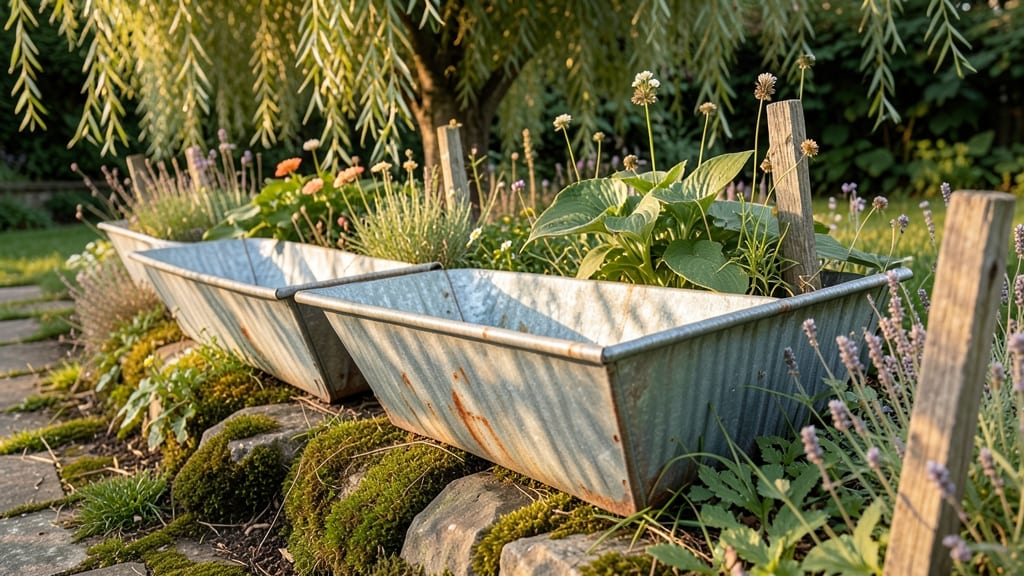
Looking for edging that adds height, structure, and a vintage charm to your garden without spending much? Galvanized metal troughs from recycled sources are your answer—durable, rustic, and perfect for preventing soil erosion in cottage-style gardens.
These troughs, often sourced from old farm equipment or industrial scrap, can be repurposed to create raised flower beds or define garden borders. Their weather-resistant metal resists rust over time, while their elevated design improves drainage and reduces weed growth. Fill them with drought-tolerant plants like lavender or thyme for a fragrant, low-maintenance display.
Ideal for gardeners who love textured, industrial aesthetics, these troughs are especially great for small spaces or sloped areas where traditional edging might fail. Plus, their recycled nature makes them an eco-friendly choice. 🌷
Pebble and Gravel Pathway Edging
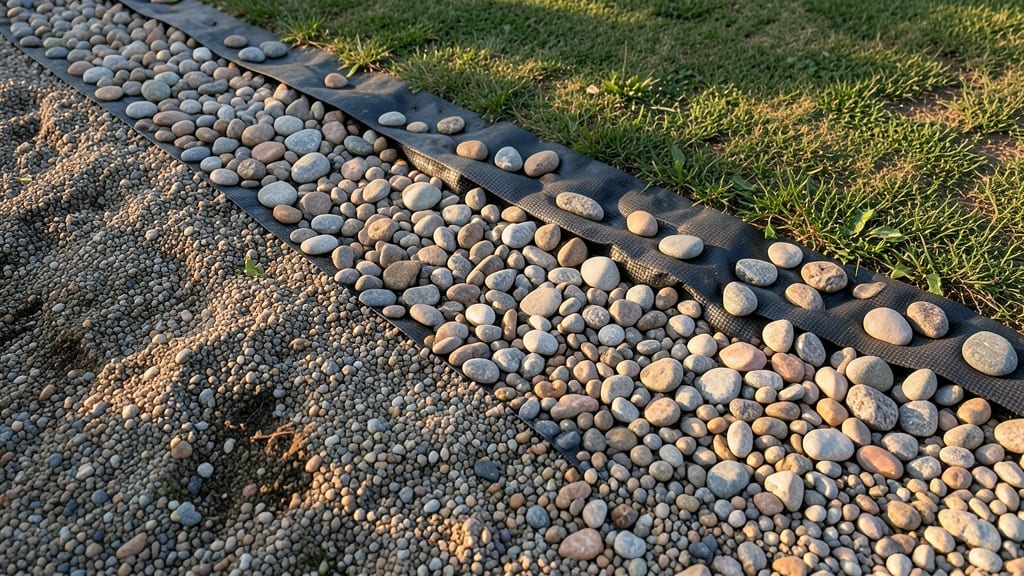
Want a zero-maintenance edging solution that blends seamlessly with modern gardens? Pebble and gravel borders create clean lines while blocking weeds naturally—no chemicals or constant weeding required.
Start by laying a landscape fabric barrier along your flower bed’s edge to prevent soil from mixing with the gravel. Then, spread 1-2 inches of smooth river rocks (available cheaply in bulk) along the border. For extra definition, use larger stones at the outer edge and smaller pebbles closer to the plants. This method works best in sunny or partially shaded areas where gravel won’t shift easily.
Urban gardeners and minimalist designers love this look because it requires no tools, no painting, and no yearly replacements. Plus, the cool stone texture contrasts beautifully with lush foliage while keeping your beds tidy year-round. 🌿
Wooden Pallet Slats as Vertical Edging
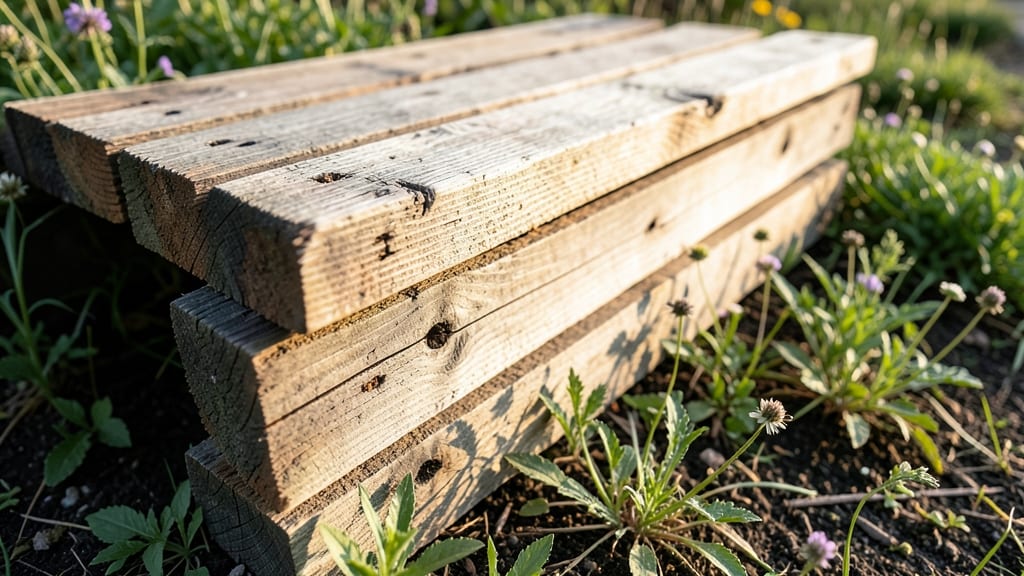
Skip the expensive stone borders—wooden pallet slats offer a free, rustic alternative that instantly elevates your garden’s texture and height. Salvaged from local businesses or construction sites, these slats create a vertical garden frame that’s perfect for defining raised beds or separating garden sections with minimal effort.
Simply remove the nails from a pallet, cut slats to your desired height (typically 12-18 inches), and secure them vertically into the ground using stakes or landscape screws. For extra durability, apply a non-toxic wood sealant to protect against weather. This method works especially well for herb gardens, vegetable beds, or cottage-style flower arrangements, where the natural wood grain adds warmth to the design.
Urban gardeners and DIY enthusiasts will love this zero-cost solution—it’s a sustainable way to add structure while keeping your budget intact. Plus, the slats can be repainted or stained to match any garden aesthetic. 🌿
Plastic Bottle Cap Wind Chimes
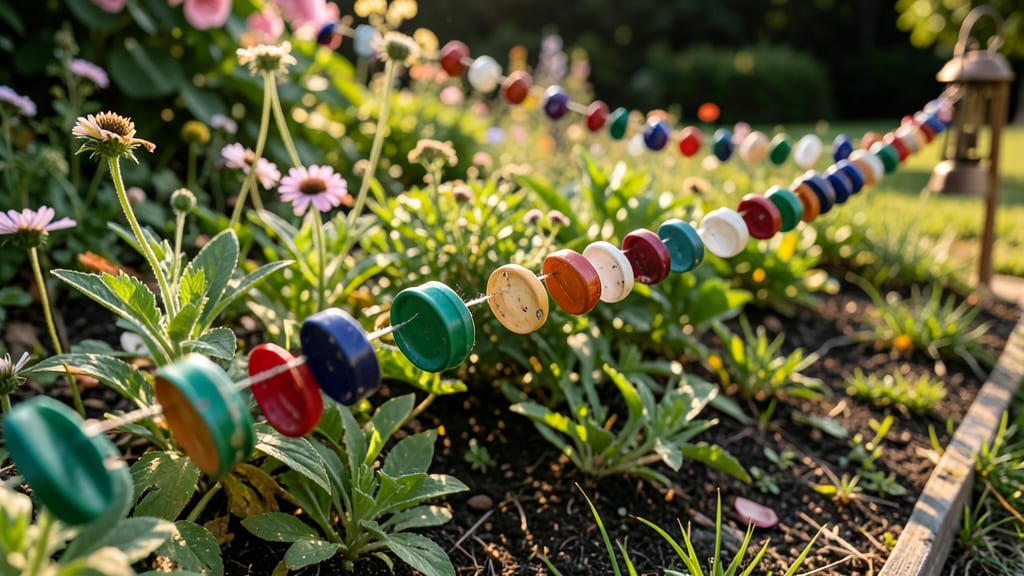
Turn everyday trash into a whimsical garden accent with bottle cap wind chimes—perfect for adding color and movement to flower bed edges. These DIY decorations use recycled bottle caps threaded onto fishing line or thin wire, creating a cheerful border that catches the breeze and sunlight.
Start by collecting caps in bright colors (reds, blues, and greens work best) and drill small holes in the rims. Thread them onto a sturdy line or wire, spacing them evenly along the bed’s perimeter. For extra durability, add a washer or bead between each cap to prevent chafing. Hang them at varying heights to mimic a natural, cascading effect—ideal for summer displays or kids’ play gardens where whimsy meets function.
This zero-cost solution doubles as a visual marker for garden sections, making it easy to spot bed boundaries. Plus, it’s a fun project to involve children in—turning recycling into a creative gardening activity. 🌟
Brick or Concrete Pavers from Discount Stores
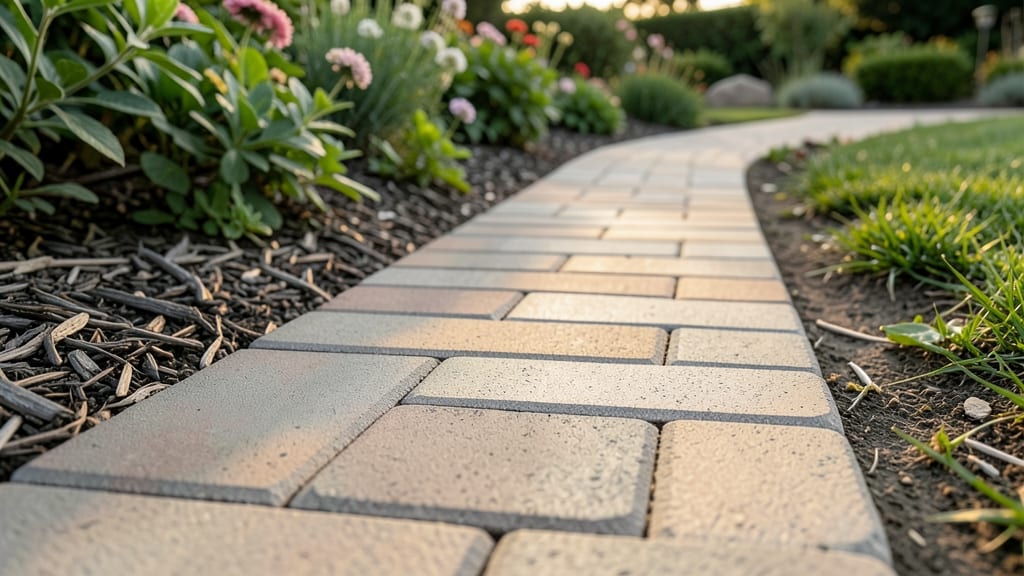
Looking for edging that delivers both durability and sharp design without the premium price tag? Brick or concrete pavers from discount stores are your answer—offering clean, geometric lines that define high-traffic paths or crisp garden borders.
These pavers are surprisingly affordable when purchased in bulk or on sale, often costing just $1–$3 per unit. Their uniform shape creates polished, modern edges that contrast beautifully with soft flower beds, while their weight prevents shifting over time. For extra stability, lay them in a sand bed or use landscape adhesive to secure them in place.
Urban gardeners and those with high-foot-traffic areas will love how pavers handle daily use without cracking. Plus, their neutral tones blend seamlessly with any color scheme. 💡
Twine and Stakes with Natural Dye
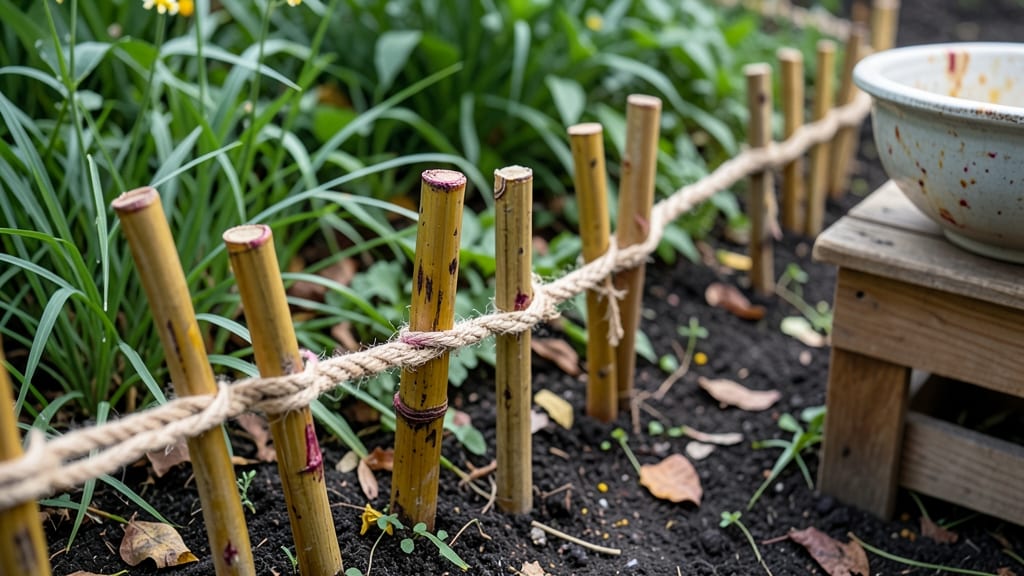
Want to create a border that’s as eco-friendly as it is beautiful? Twine and stakes with natural dye let you craft temporary, biodegradable edging that changes with the seasons—no plastic or permanent materials required.
Start by soaking jute twine in a simmer of beetroot juice (for pink), turmeric (yellow), or blueberry infusion (purple) for a few hours. Wrap the dyed twine around wooden stakes or bamboo canes to form a loose border around your flower bed. This method works perfectly for seasonal displays like summer wildflowers or autumn mums, and the twine breaks down naturally when removed.
Urban gardeners and renters will love this zero-waste solution—it’s lightweight, customizable, and disappears at the end of the season without a trace. Plus, kids can help dye the twine for a fun, hands-on gardening project! 🌿
Broken Terracotta Pot Shards
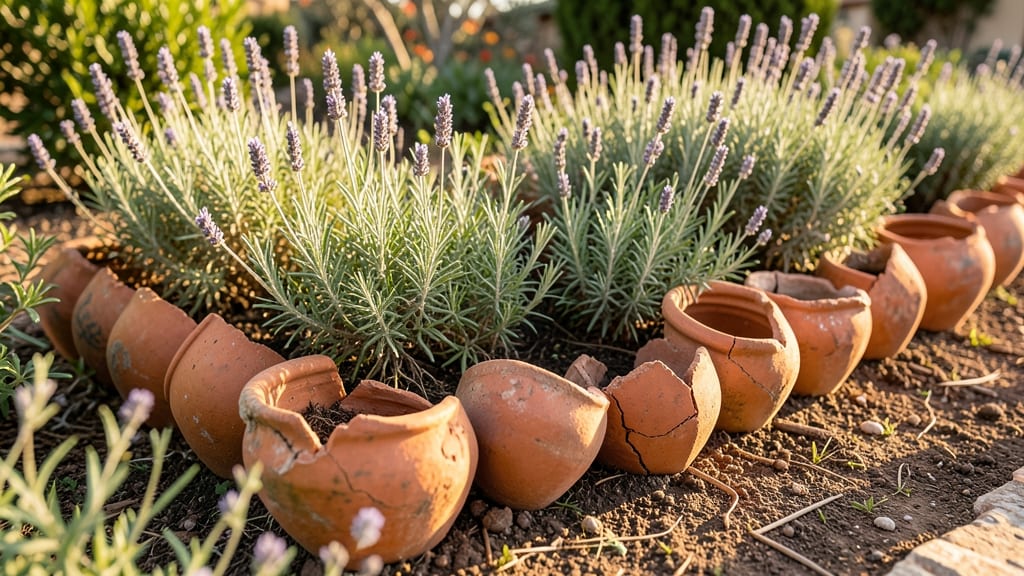
Turn your broken terracotta pots into a Mediterranean-inspired edging solution that adds texture and charm to your garden. Instead of tossing those cracked pieces, arrange them along flower bed edges to create a natural, rustic border that blends seamlessly with plants like lavender or rosemary.
The rough, uneven edges of terracotta shards not only suppress weeds by blocking light but also add a warm, earthy tone that complements any garden palette. Arrange larger pieces vertically for height or lay them flat for a low-profile look—both styles work beautifully in small beds or as accents in larger layouts.
Urban gardeners and beginners will love this zero-cost solution, as it requires no tools or special skills. Plus, the organic, handmade aesthetic makes it a standout feature in cottage or herb gardens. 🌷
Log Slices or Branches from Pruned Trees
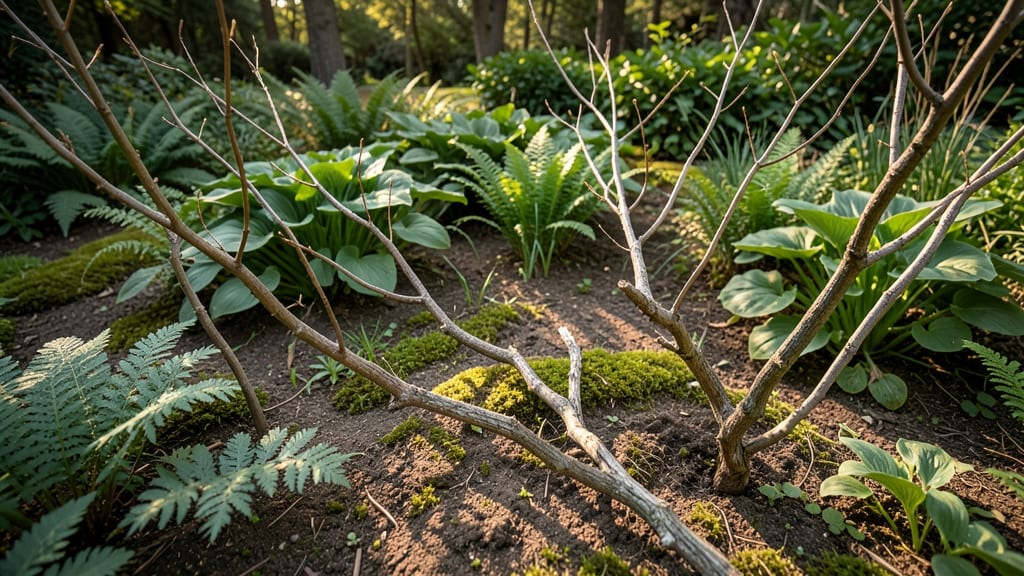
Skip the store-bought edging and turn your pruned tree branches into a free, woodland-inspired border that screams organic charm. These natural slices or branches create a rustic, earthy frame that disappears into shaded gardens, blending seamlessly with ferns, hostas, and other shade-loving plants.
Simply cut branches or logs into 3-6 inch slices (use a chainsaw or ask your local arborist for free cuttings) and arrange them horizontally along your bed’s edge. For extra stability, bury the bottom inch or two in soil. The rough texture and natural colors add depth while suppressing weeds—no mulch needed. This method works best in moist, shaded areas where moss and ferns can grow between the slices for a lush, forest-floor effect.
Perfect for gardeners who love a low-maintenance, zero-waste look, this edging is ideal for woodland gardens, under trees, or any spot where you want to mimic nature’s own borders. 🌿
Chicken Wire and Landscape Fabric Combo
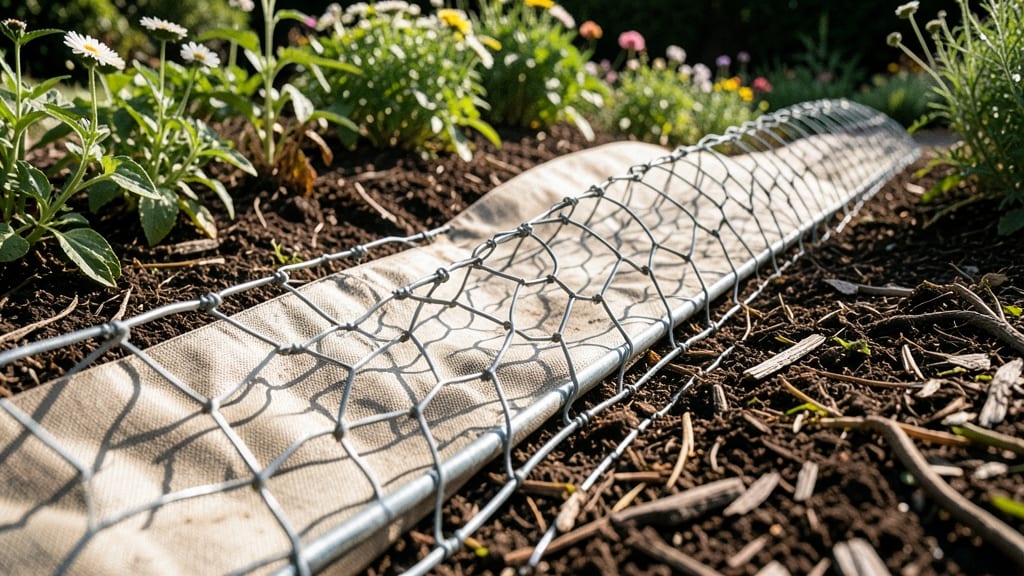
Tackle those large or sloped flower beds without spending a fortune—this dual-layer combo of chicken wire and landscape fabric is your secret weapon. It’s sturdy enough to hold back soil on inclines while keeping weeds at bay, all for under $10 at your local hardware store.
Start by bending chicken wire into a low border along your bed’s edge, securing it with landscape staples. Then, lay landscape fabric underneath to block weeds before adding soil and plants. This method works especially well for perennial beds or areas where mulch alone can’t contain soil erosion. The fabric lasts 3-5 years, while the wire stays rust-free for even longer.
Perfect for budget-conscious gardeners or anyone with tricky terrain, this combo saves time on weeding and keeps your garden looking tidy with minimal effort. 🌟
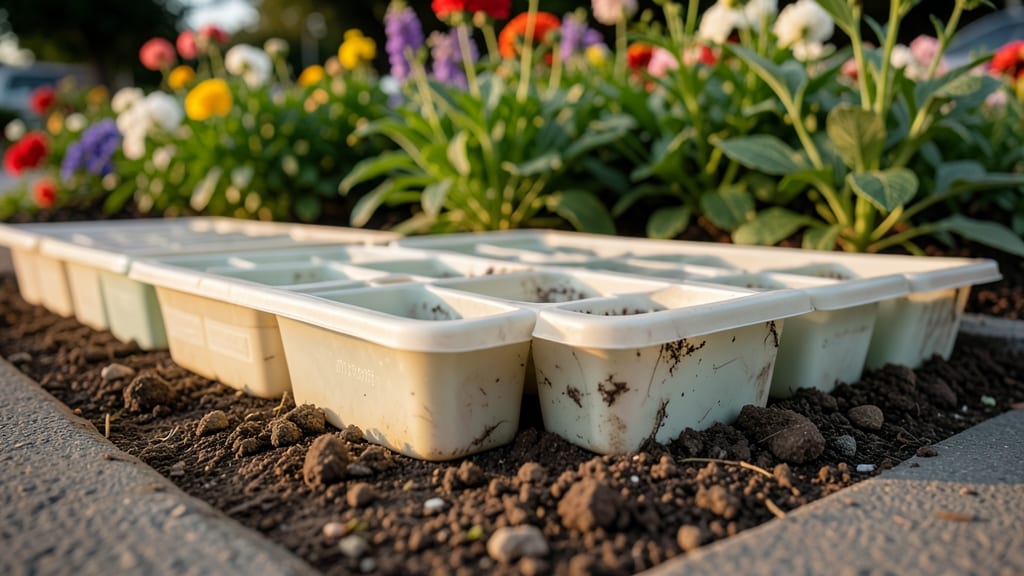
Seedling Trays or Plastic Plant Trays

When urban gardens demand every square inch for planting, seedling trays become the unsung hero of modern edging. These lightweight plastic trays—often discarded after use—transform into sleek, straight borders that define flower beds without stealing precious space.
Arrange them side by side to create a crisp, contemporary edge for container gardens or narrow beds. For extra durability, secure them with landscape staples or a thin layer of pebbles to weigh them down. The white or neutral tones blend seamlessly with minimalist designs, while their uniform shape adds a structured contrast to loose, natural plantings.
Perfect for balcony gardens, rooftop planters, or tiny yards, this solution costs almost nothing and requires zero maintenance. Urban gardeners and small-space enthusiasts will love how it maximizes planting area while keeping the look polished. ✨