
Flowers
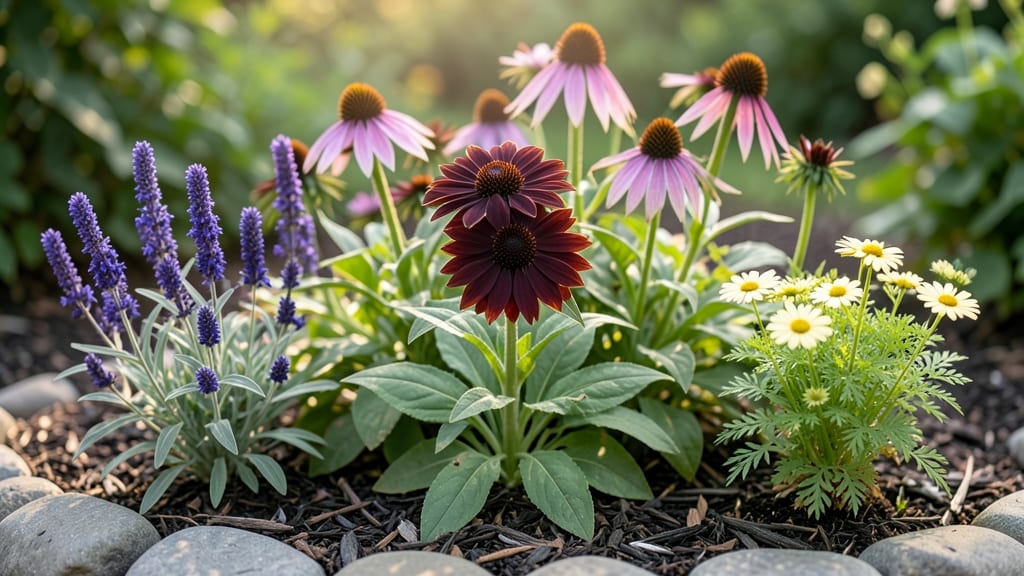
Your flower bed dirt isn't just dirt—it's the foundation for showstopping blooms that last all season. 🌸 I learned the hard way that compacted, nutrient-poor soil means wilting petunias and sad daylilies no matter how much you water.
The secret? A loose, crumbly mix that drains well but holds moisture, packed with organic matter to feed roots all growing season.
Start with a simple test: grab a handful of soil—if it clumps like clay when wet or stays dusty when dry, you're starting from scratch. Most flower beds need a 50/50 blend of existing soil and compost, plus a handful of perlite or coarse sand for drainage.
Perennials like coneflowers thrive in this mix, while annuals like impatiens demand even richer, more moisture-retentive soil.
After amending, you'll notice roots spreading deeper and blooms arriving 2-3 weeks earlier than before. The soil stays dark and crumbly (not hard or chalky), and you'll water half as often because it holds moisture better.
For heavy clay? Mix in 1 part peat moss to 2 parts native soil—it works like magic.
Seasonal tweaks matter too: top-dress with compost every spring, and in hot climates, add a 1-inch layer of mulch to keep roots cool. This isn't just dirt—it's the difference between a garden that looks good and one that feels alive.
📚 In This Guide
- What you need
- Instructions
- Tips and common mistakes
- Wrapping up and next steps
What you need
- ● Topsoil: 2–3 cubic yards (depending on bed size; opt for loamy or garden soil with good drainage)
- ● Compost: 1–2 cubic yards (well-aged, organic compost for nutrients—avoid fresh manure!)
- ● Perlite or Vermiculite: 1–2 bags (improves aeration and moisture retention)
- ● Peat Moss or Coconut Coir: 1–2 bags (helps retain moisture and loosen heavy soil)
- ● Slow-Release Fertilizer: 10–20 lbs (balanced 10-10-10 or organic options like bone meal)
- ● Garden Gloves: 1 pair (to protect your hands from rough soil)
- ● Garden Fork or Shovel: 1 (for turning and mixing soil)
- ● Wheelbarrow or Large Container: 1 (for hauling materials)
- ● Rake: 1 (to level and smooth the bed)
- ○ Soil pH Test Kit (optional but helpful): Ensures your mix is ideal (6.0–7.0) for most flowers
- ● Sand: 1–2 bags (if your soil is too clay-heavy)
- ● Worm Castings: 1–2 bags (boosts microbial activity)
- ● Biochar: 1 bag (enhances soil structure and nutrient retention)
- ● Mulch (e.g., shredded bark or pine straw): For long-term moisture and weed control
- ● Mycorrhizal Fungi: Powder or granules (helps roots absorb nutrients better!)
How to prepare the perfect flower bed base
Start with the right foundation, and your blooms will reward you with vibrant color and healthy growth all season.
🪴 Step 1: Clear and Loosen the Existing Soil
Remove any grass, weeds, or debris from the flower bed area using a garden fork or trowel. I like to work in sections about 2 feet wide to avoid tiring out my arms. Dig down roughly 6-8 inches deep—this breaks up compacted soil and gives roots room to spread.
Pay attention to how the soil feels as you loosen it. If it's rock-hard or clay-heavy, you'll need to add more organic matter later. The goal is to create a crumbly, airy texture that roots can easily penetrate. Think of it like fluffing a pillow—you want it soft and inviting, not dense and suffocating.
🌱 Step 2: Amend the Soil with Organic Matter
Spread a 2-3 inch layer of compost or well-rotted manure over the loosened soil. This adds nutrients and improves drainage, which is especially important for flowers that hate soggy roots. I like to use a mix of compost and aged leaves—it gives the soil structure while feeding the plants slowly over time.
Work the compost into the top 6 inches of soil using a garden fork or your hands. You'll know you've done it right when the soil looks darker and feels lighter. If your soil is sandy, you might also add a thin layer of peat moss to help retain moisture. For clay-heavy soil, mix in perlite or coarse sand to improve aeration.
☀️ Step 3: Level and Test the Soil Moisture
Rake the amended soil smooth with a leveling rake, creating a flat surface for planting. This step prevents low spots where water pools and roots rot. I always run my hand over the soil to check for smoothness—if it feels bumpy, I go over it again until it's even.
Give the soil a thorough watering to settle everything in place. Wait until the surface feels slightly damp but not wet to the touch—this is the ideal moisture level for planting. If the soil repels water like a raincoat, it's still too dry, and you'll need to water more slowly. This step ensures your flowers get off to a strong start without struggling through dry or waterlogged soil.
✂️ Step 4: Add a Final Layer for Long-Term Health
Top the bed with a 1-inch layer of mulch, like shredded bark or straw. This keeps moisture in, suppresses weeds, and adds a polished look. I like to keep mulch a few inches away from plant stems to prevent rot. For perennial beds, this layer also protects roots during winter freezes.
Let the bed rest for a few days before planting. This gives the soil time to settle and for any remaining weeds to surface. Walk over the area and pull any new sprouts—it's easier to remove them now than after your flowers are established. Your flower bed is now ready to welcome vibrant blooms that will thrive all season long.
Tips & tricks for perfect flower bed dirt
Took me a while to figure these out, so here's how to get it right the first time.
Soil Texture Test: In Step 1, when you're loosening that 6-8 inch layer, squeeze a handful of soil—it should crumble easily between your fingers like dry cake crumbs. If it sticks together like wet clay, you'll need to add more organic matter. I've learned the hard way that compacted soil strangles roots, so don't skip this check! The goal is that pillow-soft texture where roots can breathe.
Organic Matter Layering: For Step 2, think of your 2-3 inch compost layer like lasagna—alternate between compost and your existing soil in thin layers. This creates better soil structure and prevents nutrient pockets. If you're working with heavy clay, mix in 1 part perlite to 3 parts soil to improve drainage without losing moisture. I've seen flower beds fail when the compost just sits on top instead of being incorporated.
Mulch Placement: When adding that final 1-inch mulch layer in Step 4, create a little well around each plant stem by pushing mulch outward. This prevents rot by keeping stems dry while still protecting roots. I like to use shredded bark mulch because it breaks down slowly, adding nutrients over time. For perennial beds, this layer also acts like a cozy blanket during winter freezes.
Weed Prevention: After your bed rests for a few days, do a final weed patrol before planting. I've found that walking over the bed with bare feet (yes, really!) helps reveal hidden weeds—your feet will sink slightly where weeds have taken root. Pull these now while the soil is loose, and you'll save yourself hours of weeding later. This is my secret weapon for keeping flower beds pristine.
Pro Tips for Flower Bed Dirt
- Took me a while to figure these out, so here's how to get it right the first time.
- Soil Texture Test: In Step 1, when you're loosening that 6-8 inch layer, squeeze a handful of soil—it should crumble easily between your fingers like dry cake crumbs.
- Organic Matter Layering: For Step 2, think of your 2-3 inch compost layer like lasagna—alternate between compost and your existing soil in thin layers.
Frequently asked questions
Got questions about flower bed dirt? You’re not alone! Here are answers to some of the most common concerns—so you can create the perfect blooming foundation with confidence.
What’s the difference between topsoil and flower bed dirt?
Flower bed dirt
is a loose, nutrient-rich mix designed for planting, while standard topsoil is heavier and lacks organic matter. For flowers, you need a blend with compost, perlite, and fertilizer—topsoil alone can compact and suffocate roots. Think of it as a spa day for your plants!
Can I use regular garden soil instead of flower bed dirt?
While you can, regular garden soil often lacks the aeration and nutrients flowers crave. It may compact over time, leading to poor drainage and stunted growth. For best results, amend garden soil with compost or use a pre-mixed flower bed dirt for a head start. Your blooms will thank you!
How long does it take for flower bed dirt to settle before planting?
Give it 1–2 weeks to settle after tilling or amending. This allows the soil to absorb moisture and stabilize. For new beds, water lightly daily to encourage root-friendly conditions. Pro tip: Test the soil’s moisture—it should feel like a damp sponge, not muddy!
Is flower bed dirt worth the extra cost over cheaper soil?
The upfront cost pays off with healthier plants, fewer pests, and bigger blooms. Cheaper soil may save money now but can lead to replanting later. Consider it an investment in your garden’s long-term success—like premium fertilizer for your yard!
What if my flower bed dirt smells bad or has mold?
Bad smells or mold mean excess moisture or poor-quality organic matter. Break up clumps, improve drainage (add perlite or sand), and let it dry out in the sun for a day. If the issue persists, replace the top layer with fresh flower bed dirt. Fresh air and sunlight work wonders!
Wrapping up and next steps
Creating the perfect flower bed dirt is all about balance—loose texture, rich nutrients, and just the right amount of organic matter to help your blooms thrive. 🌸 Whether you’re a seasoned gardener or just starting, the key takeaway is that a well-prepared base sets the stage for vibrant, healthy plants.
Don’t let perfection hold you back; even small steps make a big difference!
Ready to transform your garden? Start small: test your soil, amend it with compost or peat moss, and watch your flower beds come to life. Happy gardening! 🌱