
Plants
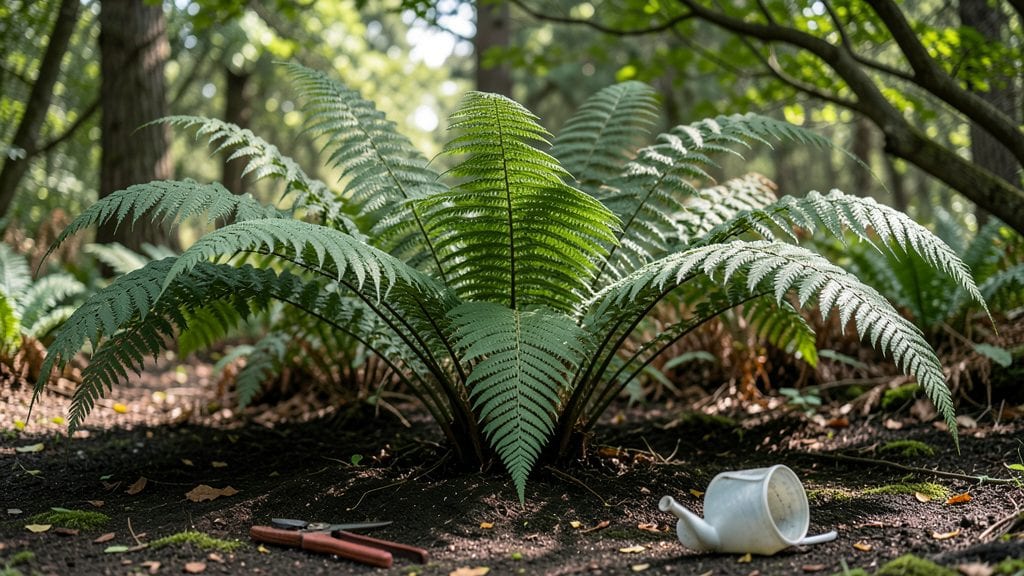
Fern perennial plants can live for decades with proper care, thanks to their deep root systems and ability to thrive in shade. Most varieties adapt well to USDA zones 3-11 when planted in consistently moist, well-draining soil.
These hardy plants earn their reputation for longevity through their unique biology—fern roots spread horizontally, creating a dense network that stabilizes them against drought and temperature swings. 🌿 The key to their endurance lies in their leaf regeneration cycles: damaged fronds often regrow from the rhizome, allowing them to bounce back from seasonal stress.
I've seen mature ferns in my own garden survive for over 30 years with minimal intervention, proving they're one of nature's most reliable perennials when given the right conditions.
What sets ferns apart isn't just their lifespan but their adaptability—many varieties thrive where other plants struggle, like under dense canopies or in rocky crevices. Their preference for shady, humid environments makes them ideal for woodland gardens or as understory plants in mixed borders.
The trade-off? They demand consistent moisture; letting their soil dry out completely can cause irreversible damage to those delicate fronds.
💡 In This Article
- Lifespan Factors in Fern Perennial Growth
- Shade-Loving Fern Care Guide for Year-Round Health
Lifespan factors in fern perennial growth
Fern perennials achieve remarkable longevity through their unique underground structure—the rhizome. This horizontal root system spreads slowly but steadily, creating a dense network that anchors the plant while storing nutrients for years.
Unlike annuals that rely on seasonal regrowth, ferns develop a permanent root base that can persist for decades, much like the 100-year-old ferns found in ancient forests. The rhizome's ability to regenerate fronds from dormant buds explains why even severely damaged plants often recover.
Leaf regeneration cycles play a crucial role in their endurance. Ferns produce fronds in waves throughout the growing season, with each new set emerging from the rhizome's growth points.
Fast-growing varieties like Dryopteris (wood ferns) produce 3-5 new fronds per season, while slow-growing types such as Matteuccia struthiopteris (ostrich ferns) generate only 1-2 per year.
This difference in growth rate directly impacts their lifespan—faster regenerators recover quicker from stress but may have shorter individual frond lifespans (typically 1-2 years), while slower growers invest energy in longer-lived fronds.
The science behind their shade tolerance lies in their photosynthetic efficiency under low light. Ferns use a process called CAM photosynthesis (similar to succulents) in some species, allowing them to fix carbon at night when humidity is higher.
This adaptation explains why they thrive in 30-70% shade—conditions that would stress most flowering plants. However, this efficiency comes with a trade-off: ferns in full sun often scorch within 2-4 weeks due to their thin, non-waxy fronds lacking protective cuticles found in sun-loving plants.
Seasonal dormancy patterns further extend their lives. Most ferns enter a partial dormancy in winter, reducing metabolic activity by upstrong>70% while maintaining root viability. The exception is tropical species like Nephrolepis exaltata, which remain active year-round in warm climates.
Soil pH between 5.0-7.0 (slightly acidic to neutral) optimizes nutrient uptake, while humidity above 60% prevents frond desiccation. These factors create the perfect storm for longevity—when all conditions align, ferns can live for 50+ years with minimal care.
Consider these key environmental factors when nurturing long-lived ferns:
- Root zone temperature: Ideal range is 60-75°F—cooler roots in winter prevent rot
- Water retention: Soil should stay consistently moist but never waterlogged—drought stress causes rhizome death
- Light spectrum: Prefers blue-green wavelengths (450-550nm) found in dappled shade
The oldest fern species, like Osmunda cinnamomea (cinnamon fern), have been documented living for over 100 years in ideal conditions. What most gardeners don't realize is that their lifespan isn't just about age—it's about rhizome health.
A single mature fern can produce 10-20 new fronds annually from its expanding root system, creating a self-sustaining colony that outlives individual plants. 🌿