
Orchid Care
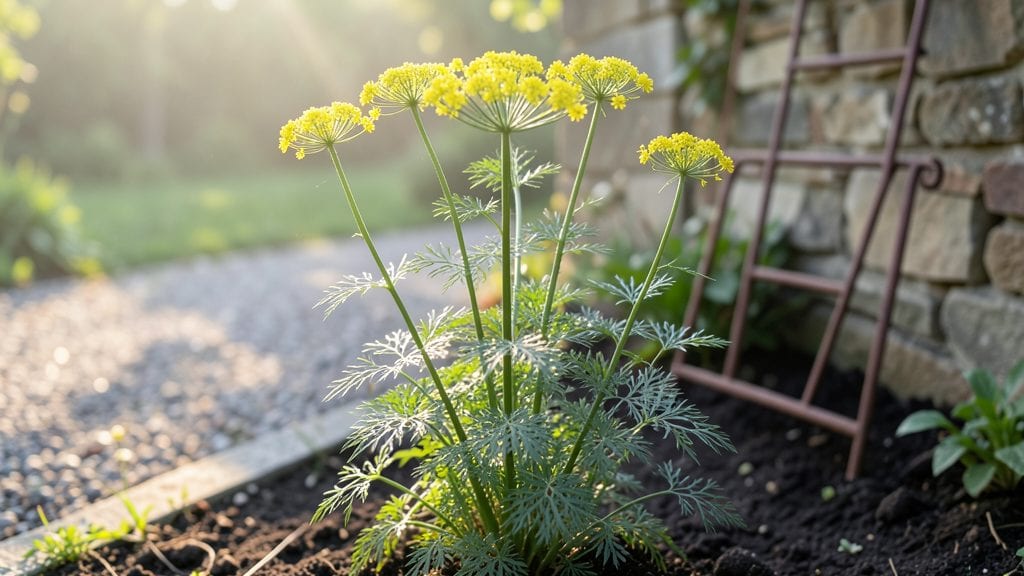
Whether dill is annual or perennial depends on your climate: it grows as an annual in most regions, finishing its life cycle in one season, but may self-sow prolifically. In warmer zones (9-11), it can act as a short-lived perennial or survive winter with protection.
Understanding dill's growth habits helps you plan better. Most gardeners treat it as an annual because it bolts quickly—typically within 60-90 days—producing flowers and seeds before dying back.
However, in frost-free zones, dill can persist for multiple years if given consistent moisture and partial shade. 🌱 The key difference lies in temperature tolerance: cold-hardy varieties like 'Bouquet' handle cooler springs better than tender types.
For those in transitional climates, overwintering dill is possible with mulch or container protection. This extends your harvest window dramatically, letting you enjoy fresh leaves well into spring. The trade-off? Perennial dill often produces fewer leaves since energy goes toward survival rather than growth.
💡 In This Article
- Dill’s Life Cycle and Growth Stages
- Extending Dill’s Harvest with Seasonal Strategies
Dill’s life cycle and growth stages
Dill’s growth pattern shifts dramatically between annual and perennial behavior based on temperature exposure. As an annual in most climates, it completes its full life cycle—from seed germination to flower production—in just 60-90 days.
The plant prioritizes reproductive growth, sending energy toward flower and seed development once temperatures rise above 70°F, a process called bolting. This rapid transition explains why gardeners often harvest dill leaves aggressively before flowering begins.
The science behind this involves photoperiod sensitivity—dill detects increasing daylight hours (longer than 14 hours) as a signal to flower. In warmer zones (USDA 9-11), where winters rarely drop below 30°F, dill may survive multiple years as a short-lived perennial.
The plant’s taproot can regenerate from the base even after frost damage, though growth slows significantly during cold months. Varieties like 'Mammoth' show this resilience better than delicate types like 'Fernleaf'.
Leaf production peaks during the first 4-6 weeks of growth, when the plant focuses on foliage before bolting. The leaves contain 0.1-0.3% essential oils, including d-carvone, which gives dill its signature aroma.
Once flowering begins, leaf quality declines as the plant redirects resources to seed production. This is why harvest timing matters—cutting stems before 30% of flowers open preserves flavor and tenderness.
Temperature plays a critical role in determining whether dill acts as an annual or perennial. In cooler regions (USDA 3-8), dill rarely survives winter exposure, making it strictly annual. The plant’s cell membranes can’t withstand prolonged freezing, leading to tissue damage.
However, in Zone 9+ with consistent moisture and partial shade, dill may persist for 2-3 years, though yields decline annually as the plant ages.
Cold-hardy varieties like 'Bouquet' handle early spring planting better than tender types. Their thicker stems and broader leaves tolerate 35-40°F temperatures, allowing for earlier harvests. Tender varieties, however, bolt faster when exposed to heat, making them better suited for cooler summer regions.
The trade-off? Cold-hardy dill often has a slightly stronger, more robust flavor profile compared to its delicate counterparts.
What most gardeners don’t realize is that dill’s self-seeding ability often creates perennial-like behavior even in annual climates. When seeds drop to the soil, they germinate the following spring, creating dense patches that may persist for years.
This natural propagation explains why dill frequently "volunteers" in garden beds annually without replanting.
The key takeaway: dill’s growth habit is fluid, determined by your local climate and growing conditions. With proper care—like mulching in winter or choosing cold-hardy varieties—you can extend its lifespan beyond a single season. 🌿