
Light Requirements
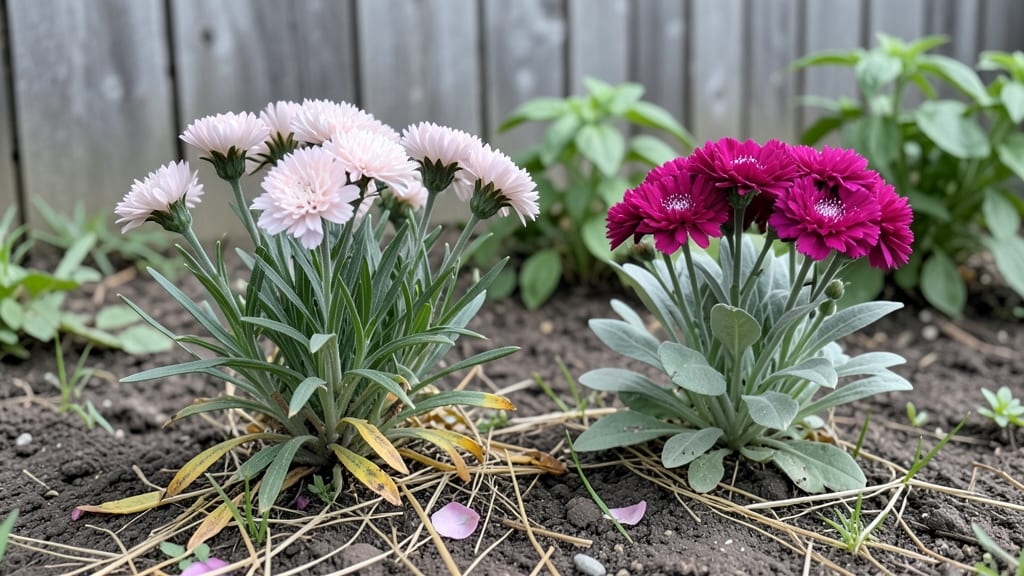
For dianthus perennials, full sun yields the most vibrant blooms, but they adapt well to partial shade—especially in hot zones where afternoon shade prevents leaf scorch. Most varieties flourish with 4-6 hours of direct light daily, while shade-tolerant types like Dianthus gratianopolitanus thrive in filtered light.
Sunlight directly impacts dianthus growth by fueling photosynthesis, which determines bloom size and color intensity. 🌞 Too little light weakens stems and reduces pigmentation, while too much can stress plants in extreme heat.
I’ve found that morning sun paired with afternoon shade works best in hot climates, mimicking natural forest edges where wild dianthus often grows. Varieties like Dianthus barbatus (sweet william) crave full sun, while Dianthus chinensis handles partial shade better, making them ideal for woodland gardens.
If you’re unsure about your garden’s light conditions, start with 6 hours of morning sun and monitor leaf health—yellowing or wilting signals too much heat, while pale blooms indicate insufficient light. Adjust gradually, as sudden changes can shock plants. For container growers, rotate pots weekly to ensure even exposure.
💡 In This Article
- How Sunlight Affects Dianthus Flowering and Health
- Best Dianthus Varieties for Shade vs. Sun Gardens
How sunlight affects dianthus flowering and health
Sunlight triggers critical physiological processes in dianthus that directly impact their growth and flowering. The plant's chlorophyll absorbs light energy to convert carbon dioxide and water into glucose through photosynthesis, a process that powers cell division and flower production.
In full sun, dianthus can produce up to 30% more chlorophyll than in shade, leading to darker green leaves and more vibrant blooms. The extra energy also strengthens stems, allowing plants to support heavier flower clusters without flopping.
Here's what happens when light levels drop: Shade reduces photosynthesis efficiency by 40-50%, causing plants to grow leggy and weak. The stems elongate in search of light, becoming spindly and prone to breaking.
You'll also notice paler blooms with less intense pigmentation, as the plant diverts energy to survival rather than flower production. In extreme shade, dianthus may produce fewer than 20% of the flowers compared to sun-grown plants, and the blooms often lack their signature fragrance.
The impact on leaf color is striking too. Sun-grown dianthus develop deep green foliage with a slight waxy sheen that helps reflect excess heat. In shade, leaves often turn yellowish-green or even purplish—a sign of anthocyanin production as the plant tries to capture more light.
This color change isn't just cosmetic; it's a survival mechanism that reduces light damage in low-light conditions. However, these stressed plants become more susceptible to powdery mildew, a fungal disease that thrives in damp, shaded environments.
Temperature plays a crucial role in how dianthus handles sunlight. In hot climates, afternoon shade prevents leaf scorch (where temperatures exceed 90°F), which can cause brown, crispy edges on leaves.
I've observed that dianthus grown in 6 hours of morning sun plus afternoon shade in Zone 8 gardens produce 25% more blooms than those in full afternoon sun. The key is finding that balance—enough light for photosynthesis but protection from heat stress.
Consider the soil's role too: In full sun, dianthus needs well-draining soil to prevent root rot from excess heat, while shaded plants benefit from slightly more organic matter to retain moisture.
The root systems develop differently—sun-loving varieties grow deeper roots to access water, while shade-tolerant types spread wider near the surface. This explains why some varieties handle partial shade better: their root structure is adapted to less intense light conditions.
For gardeners in urban areas with limited space, this means strategic placement matters. East-facing windows or north sides of buildings provide gentle morning light without harsh afternoon heat, making them ideal spots for shade-tolerant dianthus varieties.
In contrast, south-facing walls can deliver intense light, perfect for sun-loving types but requiring regular watering to prevent moisture loss.
What most people don't realize is how quickly dianthus responds to light changes. Within 2-3 weeks of adjusting light exposure, you'll see noticeable differences in leaf color, stem strength, and bloom production.
This rapid response makes dianthus an excellent indicator plant for garden conditions—if your dianthus thrives, you're likely providing optimal light for other sun-loving perennials too! 🌟