
Orchid Care
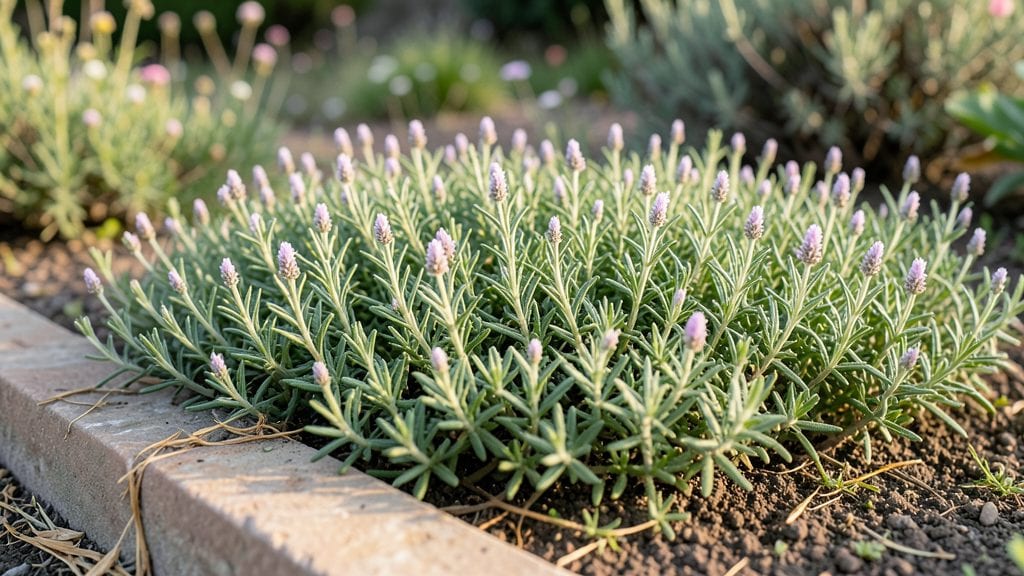
This hardy ground cover's lifespan depends entirely on your climate and care routine. 🌿 In warmer zones, creeping thyme spreads aggressively for decades with minimal effort, while colder areas require strategic planning—like using thick mulch or overwintering cuttings in pots.
The key difference between annual and perennial behavior lies in how well the roots survive winter; even in harsh conditions, the crown often persists just below the frost line, ready to regrow when temperatures rise.
Gardeners in marginal zones often treat it as an annual for simplicity, but with a little extra effort—like lifting plants before hard freezes or protecting them with burlap wraps—you can extend its life dramatically.
The plant's ability to regenerate from established roots makes it surprisingly resilient, even when the tops die back completely.
💡 In This Article
- Creeping Thyme Growth Cycle and Cold Hardiness
- Extending Creeping Thyme’s Lifespan in Gardens
Creeping thyme growth cycle and cold hardiness
Creeping thyme (Thymus serpyllum) is classified as a hardy perennial because its root system remains alive underground through winter, even when above-ground growth dies back. This woody-based herb forms a dense, sprawling mat of stems that can live for 5-10 years or longer in ideal conditions.
The key to its survival lies in its deep, fibrous roots that extend 12-18 inches into the soil, storing nutrients and moisture for regrowth.
Unlike annuals that complete their life cycle in one season, creeping thyme's roots enter a state of dormancy when temperatures drop below 20°F, conserving energy until spring's warmth triggers new growth.
The plant's cold tolerance is directly tied to USDA hardiness zones, where zones 5-9 represent its natural range. In zone 5, for example, creeping thyme can handle winters with -20°F minimum temperatures, while zone 9 plants thrive with 20°F lows.
Here's where the science gets interesting: the plant's waxy, silver-green leaves act like tiny insulation blankets, reducing water loss and protecting cell membranes from frost damage. This adaptation explains why creeping thyme often survives milder winters in zone 4 (where -30°F is possible) if given proper winter protection.
What most gardeners don't realize is how the plant's growth habit shifts with temperature changes. During active seasons, creeping thyme spreads through stolons (horizontal stems) at a rate of 6-12 inches per year, creating a dense carpet.
But when nighttime temperatures consistently drop below 40°F, the plant shifts into survival mode, slowing photosynthesis and redirecting energy to root development.
This dormancy period can last 4-6 months in colder climates, during which the roots maintain just enough metabolic activity to stay alive while the above-ground growth turns brown and crisp.
In regions colder than zone 5, creeping thyme behaves like an annual because the crown (where new growth emerges) often freezes solid. However, the roots may still survive 1-2 inches below the frost line, ready to sprout when temperatures rise above 50°F in spring.
This explains why many gardeners in zone 4 or colder treat it as an annual—it's easier than dealing with winter dieback.
The plant's ability to regenerate from even small root fragments makes it surprisingly resilient, though, which is why many gardeners successfully overwinter it by lifting plants and potting them indoors.
One fascinating aspect of creeping thyme's biology is its secondary growth pattern. Unlike many herbs that grow only from their tips, creeping thyme produces new shoots from axillary buds along its stems and from the base.
This means even if 80-90% of the plant appears dead after winter, the remaining buds can regenerate an entire new mat within 4-6 weeks of warm weather. This regenerative capacity is why creeping thyme often makes a dramatic comeback each spring, even after seemingly harsh winters.
The plant's classification as a perennial in zones 5-9 stems from its ability to complete this cycle year after year. Each spring, the roots send up new shoots that quickly fill in any gaps, maintaining the dense ground cover.
The key difference between annual and perennial behavior comes down to how consistently the roots can survive winter conditions. In ideal zones, this creates a self-sustaining ecosystem where the plant spreads indefinitely, while in colder regions, gardeners must intervene to protect the roots or accept annual replanting.