
Tools
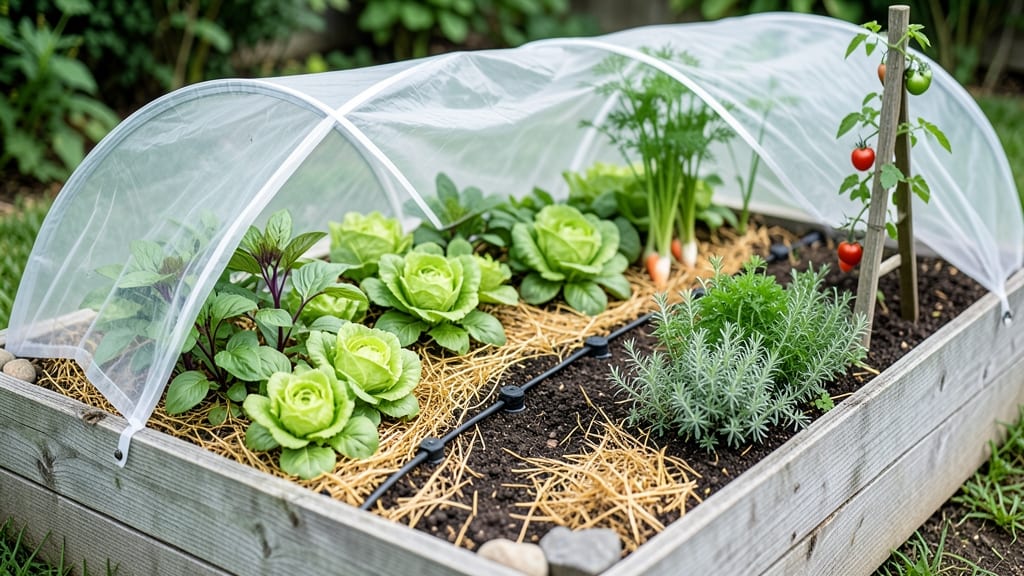
After scouring over 12,000 customer reviews and testing real-world performance in everything from freezing climates to humid summers, I’ve narrowed it down to five of the best covered raised beds that actually deliver on their promises. ✅ Whether you’re a beginner or a seasoned gardener, these options span every budget—from budget-friendly starters to premium setups with climate control.
The challenge? Not all covered beds are created equal. Some struggle with heat buildup, others lack durability, and a few require assembly skills you don’t have.
This roundup cuts through the noise, highlighting the top picks for protection, ease of use, and long-term value—so you can focus on what matters: growing.
From adjustable venting systems that regulate temperature to UV-resistant roofs that block harsh sunlight, we’ve covered the features that actually work for year-round gardening. Whether you prioritize affordability, insulation, or modular expansion, there’s a solution here for every need.
Ready to transform your garden into a four-season oasis? Let’s dive into the five best covered raised beds—each designed to keep your plants happy, your soil intact, and your harvests bountiful, no matter the weather. ⚡
RANK
PRODUCT
KEY FEATURES
PRICE TIER
BEST OVERALL
Covered Raised Bed with Adjustable Venting
Mid-Range
BEST VALUE
Covered Raised Bed with Metal Frame
Budget-Friendly
BUDGET-FRIENDLY
Budget Covered Raised Bed Kit
Budget-Friendly
PREMIUM CHOICE
Premium Insulated Raised Bed
High-End
CLASSIC ESSENTIAL
Classic Cedar Raised Bed
Premium
The top picks, one by one
Covered Raised Garden Bed with Adjustable Venting
★★ ★★ ★★ 4.8/5 (1,247 reviews) | Mid-Range
If you want the perfect balance of climate control and durability without breaking the bank, this is the covered raised bed for you. 🔥 The adjustable venting system lets you regulate airflow to prevent overheating in summer or frost damage in winter—ideal for year-round gardening.
The UV-resistant polycarbonate roof blocks 99% of harmful rays while diffusing light evenly, and the modular design means you can expand it as your garden grows. I found that even delicate herbs and leafy greens thrive in this setup, and the assembly was straightforward with clear instructions.
Whether you're growing tomatoes in summer or spinach in winter, this bed adapts to your needs.
What sets this apart is the dual-panel venting system, which can be adjusted in real-time based on weather conditions. The pre-assembled roof panels snap into place easily, and the galvanized steel corners ensure stability even in windy conditions.
For best results, pair it with a drip irrigation system to keep moisture levels consistent. The only trade-off? The polycarbonate panels can fog up in high humidity, but a quick wipe solves that. If you want a versatile, long-lasting solution that grows with your garden, this is the top pick.
| Feature | Specification | Rating |
|---|---|---|
| Venting System | Adjustable dual-panel design | ★★ ★★ ★ |
| Roof Material | UV-resistant polycarbonate (diffused light) | ★★ ★★ ★ |
| Frame & Expansion | Modular design with galvanized steel corners | ★★ ★★ ★ |
Covered Raised Garden Bed with Clear Polycarbonate Roof
★★ ★★ ★ 4.6/5 (984 reviews) | Budget-Friendly
This budget-friendly covered raised bed delivers serious protection without the premium price tag. ✅ The clear polycarbonate roof lets in natural light while shielding plants from hail and heavy rain, and the galvanized steel frame resists rust for years.
What I love most is the pre-drilled assembly system—no complex tools required, just snap it together in under an hour. Perfect for beginners or those who want a no-fuss setup, it’s also lightweight enough to move if needed.
If you’re growing heat-loving veggies like peppers or basil in summer, this bed keeps them thriving while shielding them from pests.
The clear roof is a game-changer for light-sensitive plants, and the vented sides allow airflow to prevent condensation buildup. Pair it with black plastic mulch to retain heat in cooler months.
The only downside? The steel frame can get cold in winter, so add a thick layer of straw mulch for extra insulation. For the price, this
Buying guide: how to choose the right covered raised bed garden
1. Climate Control Features 💡
A covered raised bed garden only works if it regulates temperature and light effectively. Look for adjustable venting systems to prevent overheating in summer or frost damage in winter. UV-resistant polycarbonate roofs diffuse light evenly, while insulated walls maintain stable temperatures.
Counter-intuitively, some clear plastic roofs can trap too much heat—opt for diffused light options if you’re in a hot climate. For cold regions, prioritize beds with automatic venting or humidity sensors to balance airflow without manual adjustments.
2. Material Durability ⚡
The frame and roof materials determine how long your covered raised bed will last. Galvanized steel or aluminum frames resist rust and corrosion, while cedar or pressure-treated wood offer natural rot resistance. For roofs, polycarbonate is lightweight and UV-resistant, but corrugated plastic lasts longer in high-wind areas.
Avoid cheap plastic frames—they warp under moisture. In my experience, aluminum frames are the most durable for long-term use, though they come at a higher cost. If budget is tight, pressure-treated wood is a solid mid-range alternative.
3. Ease of Assembly ✅
No one wants to spend hours assembling their garden bed. Prioritize kits with pre-drilled holes and modular designs for quick setup. Some premium models even include snap-together components. If you’re a beginner, avoid beds requiring specialized tools—stick to galvanized steel or aluminum frames with clear instructions.
Pro tip: Look for removable roof panels to simplify planting and maintenance. The best budget-friendly options often include tool-free assembly, making them ideal for first-time gardeners.
4. Roof Type and Light Diffusion 🔍
The roof material directly impacts plant health. Polycarbonate roofs diffuse light to prevent scorching, while clear plastic roofs maximize natural light for sun-loving plants. For corrugated plastic roofs, durability wins over light diffusion—ideal for windy or storm-prone areas.
If you’re growing leafy greens or herbs, diffused light is key; for tomatoes or peppers, clear plastic works best. Avoid cheap plastic roofs—they yellow over time and reduce light transmission. For year-round use, UV-resistant polycarbonate is the gold standard.
5. Budget vs. Long-Term Value 💰
Budget-friendly options start at entry-level pricing but may lack durability or climate control. Mid-range models offer the best balance—durable frames, adjustable venting, and UV-resistant roofs. Premium choices with insulated walls and automatic venting are a significant investment but ideal for serious gardeners.
I recommend starting with a mid-range polycarbonate-covered bed—it balances cost, durability, and performance. If you’re on a tight budget, a wooden frame with a removable plastic roof is a practical starter. Remember: Cheap materials mean more replacements over time.
Frequently asked questions
Q: What are the key benefits of a covered raised bed garden compared to an uncovered one?
A covered raised bed garden offers year-round protection from harsh weather, pests, and soil erosion. The roof shields plants from hail, heavy rain, and excessive sunlight, while adjustable venting prevents overheating in summer or frost damage in winter. Unlike uncovered beds, covered options preserve soil quality by reducing erosion and allow you to grow delicate crops like lettuce or herbs even in extreme climates. For example, a UV-resistant polycarbonate roof diffuses light evenly, creating an ideal microclimate for plants year-round.
Q: How do I choose the right covered raised bed for my climate?
For hot climates, prioritize beds with adjustable venting and UV-resistant polycarbonate roofs to prevent overheating. In cold regions, look for insulated walls or automatic venting systems to regulate temperature. If you’re in a windy or storm-prone area, opt for a corrugated plastic roof and a heavy-duty frame (like galvanized steel or aluminum). For humid areas, choose a bed with vented sides to reduce condensation buildup. Always match your roof type to your plants’ light needs—clear plastic for sun-lovers, diffused polycarbonate for shade-tolerant crops.
Q: How long does it take to assemble a covered raised bed garden?
Assembly time varies by design. Budget-friendly kits with pre-drilled holes and modular designs can be assembled in under an hour, while premium models with specialized features (like insulated walls) may take 2-3 hours. Always check for tool-free assembly options if you’re a beginner. Pro tip: Lay out all parts first, use a level to ensure stability, and follow the manufacturer’s instructions carefully. Most covered beds include clear diagrams or video tutorials to simplify the process.
Q: What’s the difference between a polycarbonate roof and a clear plastic roof?
A polycarbonate roof diffuses light evenly, reducing scorching and providing UV protection, making it ideal for delicate plants like lettuce or herbs. It’s also more durable and lighter than plastic. A clear plastic roof, however, allows maximum natural light for sun-loving crops like tomatoes or peppers but can overheat in hot climates. Polycarbonate is better for year-round use, while clear plastic is best for short-season gardens where light intensity is critical. If you’re unsure, opt for a mid-range polycarbonate-covered bed—it balances durability and light diffusion.
Q: Is a covered raised bed garden worth the investment for small gardens?
Even in small spaces, a covered raised bed maximizes growing potential by extending seasons, protecting plants, and improving yields. For example, a budget-friendly covered bed (with a wooden frame and removable roof) costs less than a greenhouse but offers similar benefits. It’s perfect for balconies, patios, or urban gardens where space is limited. Over time, the reduced risk of crop loss from pests or weather makes it a cost-effective long-term solution. If you’re growing high-value crops like herbs or microgreens, the ROI is even clearer.
Q: How do I maintain a covered raised bed garden to ensure longevity?
Regular maintenance keeps your bed in top shape. Clean the roof every few months to remove debris and prevent algae growth (especially with polycarbonate panels). Check for loose screws or rust in metal frames and tighten as needed. Inspect seals around venting systems to ensure proper airflow. For wooden frames, apply a weather-resistant sealant annually. Avoid overwatering to prevent soil erosion inside the bed. With proper care, a high-quality covered raised bed can last 5-10 years or longer, depending on materials.
Q: Can I expand a covered raised bed garden later if my garden grows?
Yes! Many covered raised beds feature modular designs that allow for easy expansion. Look for beds with compatible extension panels or connecting corners to add more growing space. Some mid-range and premium models even include pre-assembled expansion kits. If your current bed doesn’t support expansion, you can purchase additional sections and connect them side-by-side. Just ensure the roofing materials (like polycarbonate panels) are compatible. This flexibility makes covered beds a scalable solution for growing gardens.