
Landscaping
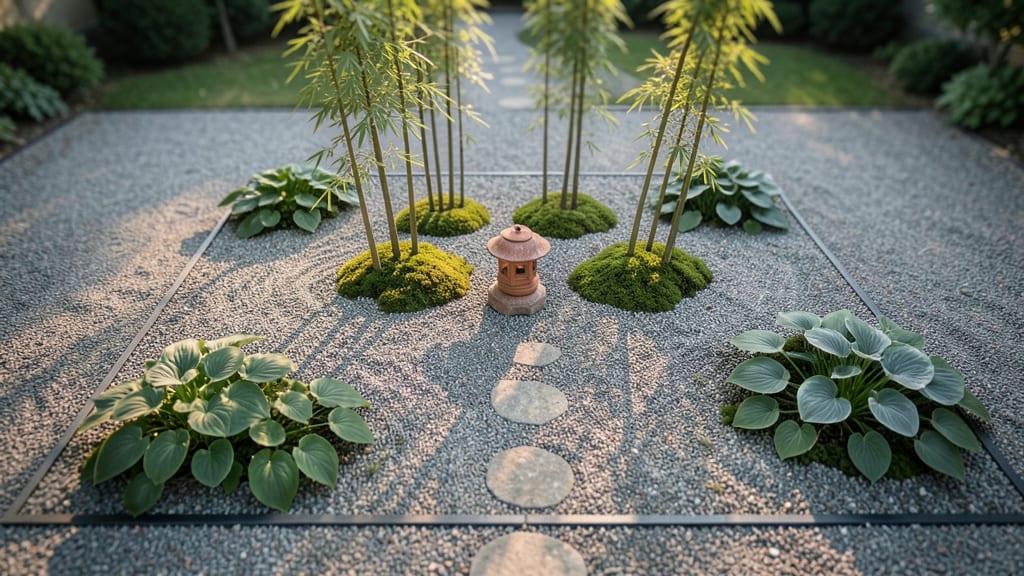
Transform your garden with these 10 contemporary flower bed designs that blend sleek minimalism with bold, unexpected plant combinations. Perfect for modern landscapes, these ideas redefine traditional gardening with clean lines and striking contrast.
Geometric Concrete Border Flower Beds
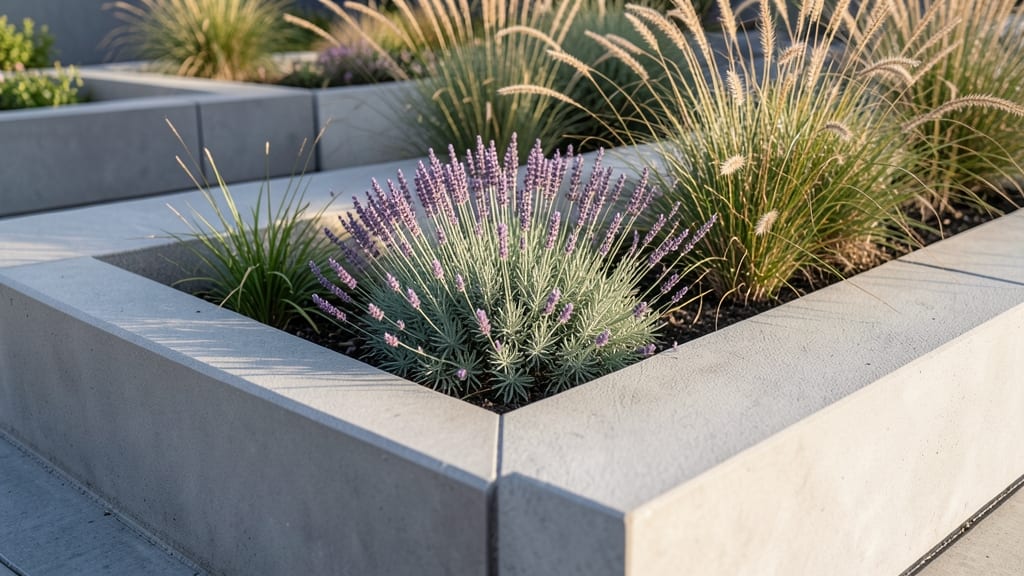
Urban gardens don’t need to be crowded to make an impact—geometric concrete borders turn limited space into a striking design statement. These crisp, modern edges frame soft perennials like lavender and ornamental grasses, creating a visual contrast that feels both polished and intentional.
Start with pre-cast concrete edging in shapes like triangles, rectangles, or even asymmetrical zigzags to define your bed. Pair them with drought-tolerant perennials like silver mullein or white daisies for a low-maintenance yet high-impact look. The key is keeping the plantings sparse—let the concrete’s sharp lines shine while the textures of foliage add warmth.
This design is perfect for city dwellers or small yards where space is tight but style matters. The clean lines reduce maintenance while maximizing visual appeal, proving that less can be more. 🌿
Monochromatic Black and White Flower Beds
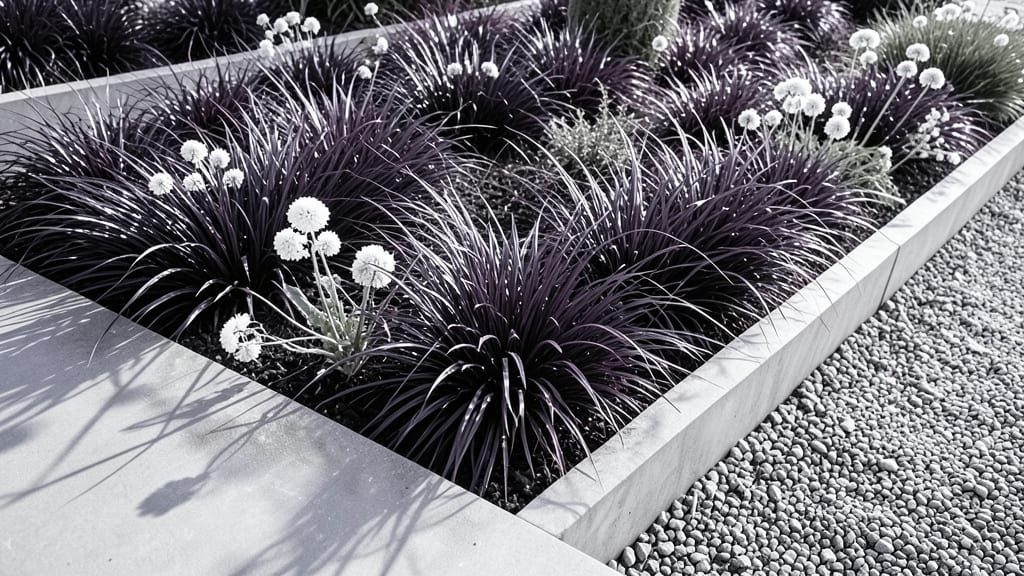
Want to make a bold statement in your garden without overwhelming colors? Monochromatic black and white flower beds create a striking, high-contrast look that’s perfect for modern minimalist spaces. This design plays with textures and shades—think deep purple-black mondo grass alongside crisp white roses or silvery foliage like lamb’s ear.
Start with a clean, gravel-based mulch to enhance the contrast and reduce maintenance. Pair drought-tolerant plants like silver artemisia with white daisies for a low-fuss look. For drama, add architectural elements like sleek metal edging or a modern sculpture to anchor the space. This style thrives in full sun but adapts well to partial shade with the right plant choices.
Urban gardeners and minimalist enthusiasts will love how this design requires less upkeep while delivering maximum visual impact. It’s the perfect way to turn a simple garden into a contemporary masterpiece. ✨
Vertical Hanging Flower Planters
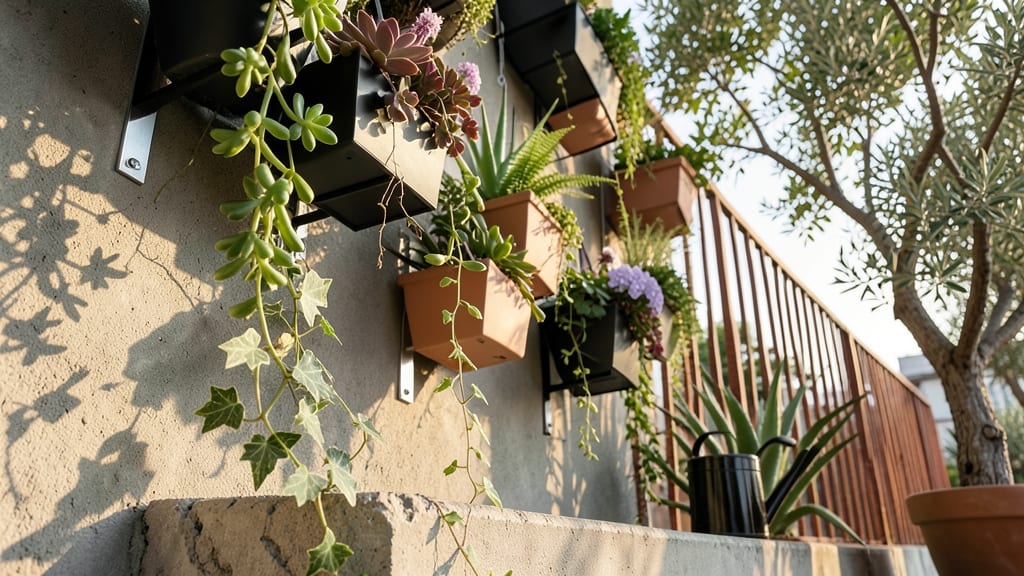
Turn your tiny balcony or cramped urban yard into a lush vertical oasis with hanging flower planters—the ultimate space-saver for small gardens. These sleek designs mount directly to walls or fences, freeing up precious ground space while adding dimension and drama to your outdoor area.
Fill your planters with cascading succulents like string of pearls (Senecio rowleyanus) for drought-resistant texture, trailing ferns such as Boston fern (Nephrolepis exaltata) for lush greenery, or vibrant annuals like trailing petunias (Petunia 'Wave') for bursts of color. Opt for weather-resistant metal or rustic wood planters to complement your home’s aesthetic, and position them at varying heights for a dynamic, layered look.
Perfect for renters, city dwellers, or anyone with limited square footage, vertical planters also reduce water waste by keeping plants elevated and well-drained. Start small with a single planter, then expand your collection for a stunning, low-maintenance garden that grows up instead of out. ✨
Asymmetrical Mixed Perennial Beds
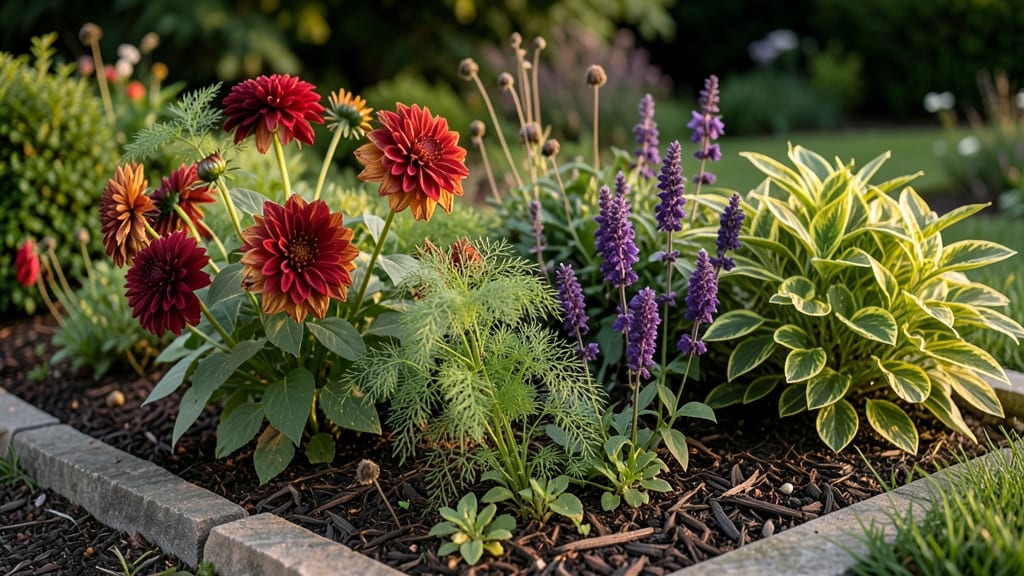
Ditch the rigid symmetry of traditional beds and embrace the effortless charm of asymmetrical mixed perennial beds, where nature’s irregularity becomes the star. This approach lets you pair bold statement plants like dahlias with airy ferns or deep purple salvia with chartreuse foliage for a look that feels both wild and intentional.
Start by grouping plants in odd-numbered clusters (threes or fives) rather than even rows, and let heights vary naturally—tall black-eyed Susans behind shorter heuchera creates dynamic movement. Use contrasting textures (like spiky yarrow next to soft hostas) to add visual intrigue without sacrificing structure. Mulch with bark or gravel to define the bed’s organic shape while keeping maintenance low.
This design thrives in urban courtyards or modern suburban gardens where you want to break free from perfection. It’s ideal for gardeners who love color but hate fuss—just plant once and enjoy the evolving beauty all season. 🌻
Minimalist Gravel Garden Beds
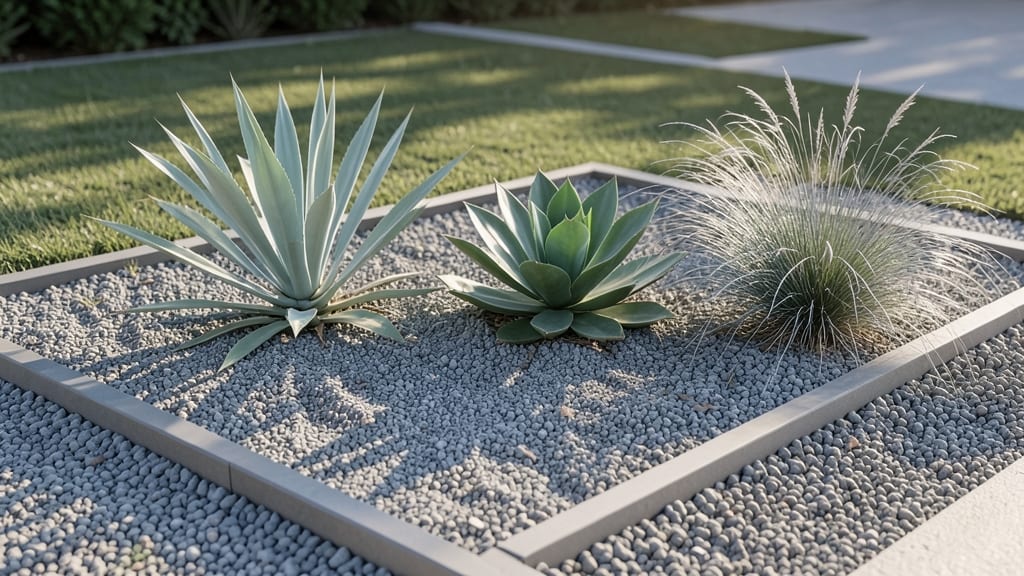
Skip the overgrown, high-maintenance flower beds—minimalist gravel gardens offer a sleek, drought-proof alternative that thrives on simplicity. This design relies on just a few carefully chosen plants like yucca, agave, and ornamental grasses, spaced widely in a bed of polished gravel for a modern desert vibe.
Start by laying down a 2-3 inch layer of gravel (like decomposed granite) to suppress weeds and retain moisture. Plant your drought-tolerant selections in clusters of 3-5, leaving plenty of space between them to highlight their architectural forms. Water deeply but infrequently—once every 2-3 weeks once established—and enjoy a bed that requires minimal weeding or pruning.
Perfect for urban gardeners or anyone craving a low-stress landscape, these beds bring structure and texture without the upkeep. The clean lines and modern aesthetic make them ideal for contemporary spaces. 🌻
Modern Topiary Flower Beds
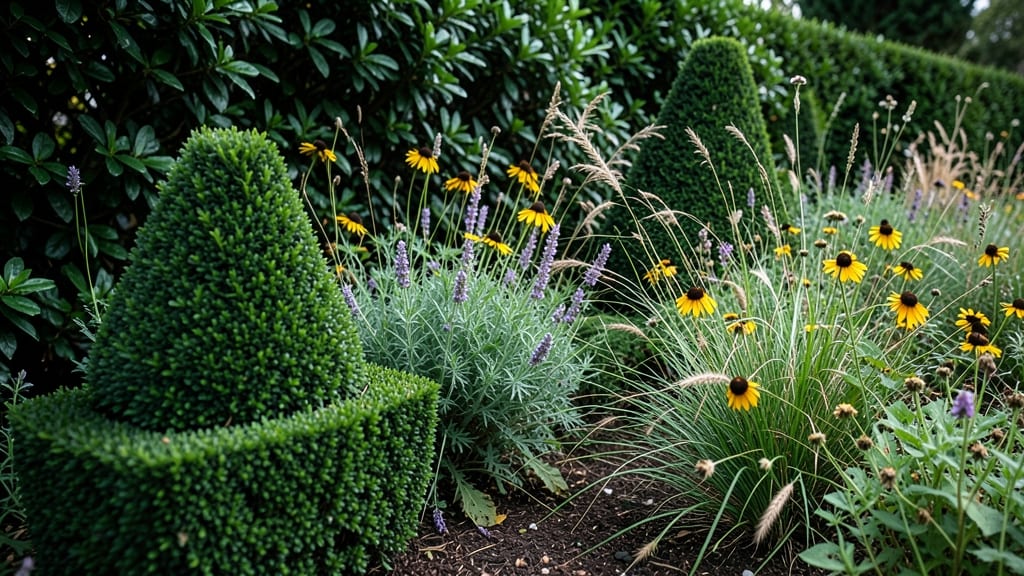
Want to blend structure and spontaneity in your garden? Modern topiary flower beds create a stunning contrast by pairing meticulously clipped shapes with wild, natural wildflowers. This design approach lets you showcase your green thumb while embracing the beauty of untamed growth.
Start with evergreen boxwood or lavender for your topiary shapes—spirals, cones, or geometric forms work beautifully. Place them on a neatly edged bed, then surround them with native wildflowers or perennials like black-eyed Susans or coneflowers. The key is to keep the topiary pruned every 6-8 weeks for sharp lines, while allowing wildflowers to grow freely for a relaxed, organic feel.
This design is perfect for gardeners who love structure but crave a touch of whimsy. The contrast between precision and nature makes these beds a standout feature in any modern landscape. ✨
Unusual Color Blocking Flower Beds
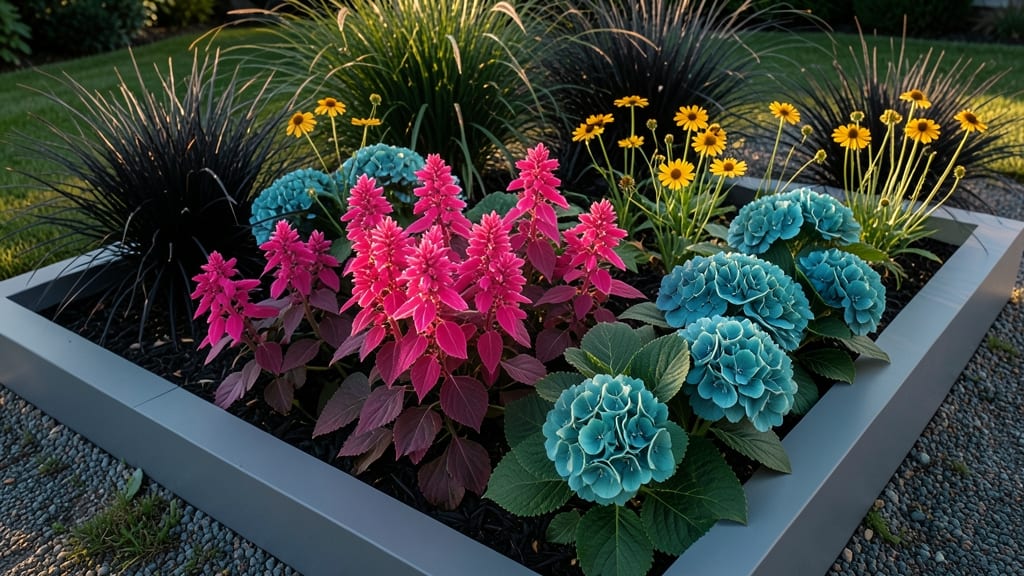
Tired of predictable pastel flower beds? Color blocking turns your garden into a living work of art by pairing unexpected hues like hot pink salvia with deep teal hydrangeas or mustard yellow coreopsis with charcoal-black foliage. This bold approach creates instant visual drama that modern landscapes crave.
Start by grouping 3-5 plants per color block in geometric shapes (squares, rectangles, or even stripes) for maximum impact. Use annuals like celosia or snapdragons for vibrant pops, then anchor with evergreen foliage like 'Black Lace' elderberry or 'Purple Bush' kale. For low-maintenance beds, opt for drought-tolerant perennials like teucrium or sedum in your color palette.
This technique works especially well for urban gardeners with small spaces or anyone wanting to make a statement without overwhelming their yard. Just remember: odd-number groupings (3, 5, or 7 plants) create more dynamic focal points than even rows. 🌻
Sculptural Plant Pairings with Metal Art
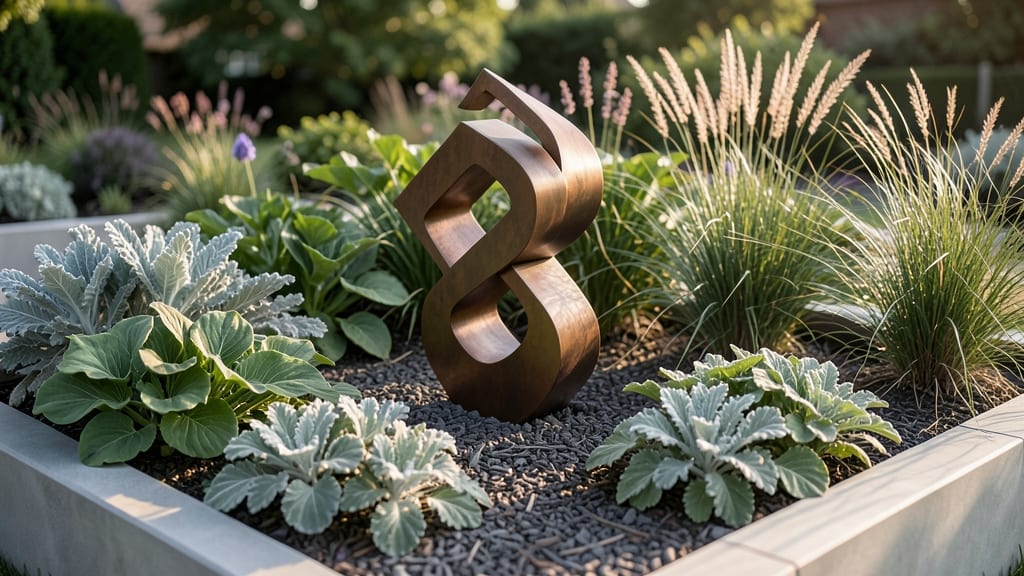
Turn your garden into a living art gallery by blending abstract metal sculptures with textured plants that enhance their modern appeal. This unexpected pairing transforms ordinary flower beds into focal points that spark conversation—perfect for contemporary landscapes where art and nature intersect.
Start by selecting sculptures with organic curves or sharp angles that complement the natural shapes of plants like tall ornamental grasses or ruffled ornamental kale. Place the metal piece partially buried or nestled among heuchera (for vibrant foliage) and sedum (for drought tolerance). The key is contrast: let the sculpture’s metallic sheen stand out against the soft textures of silver-blue foliage or deep purple leaves.
Art lovers and minimalist gardeners will adore how this design elevates a simple bed into a statement piece. The best part? You can mix and match sculptures and plants seasonally for ever-changing visual interest. ✨
Seasonal Layered Flower Beds
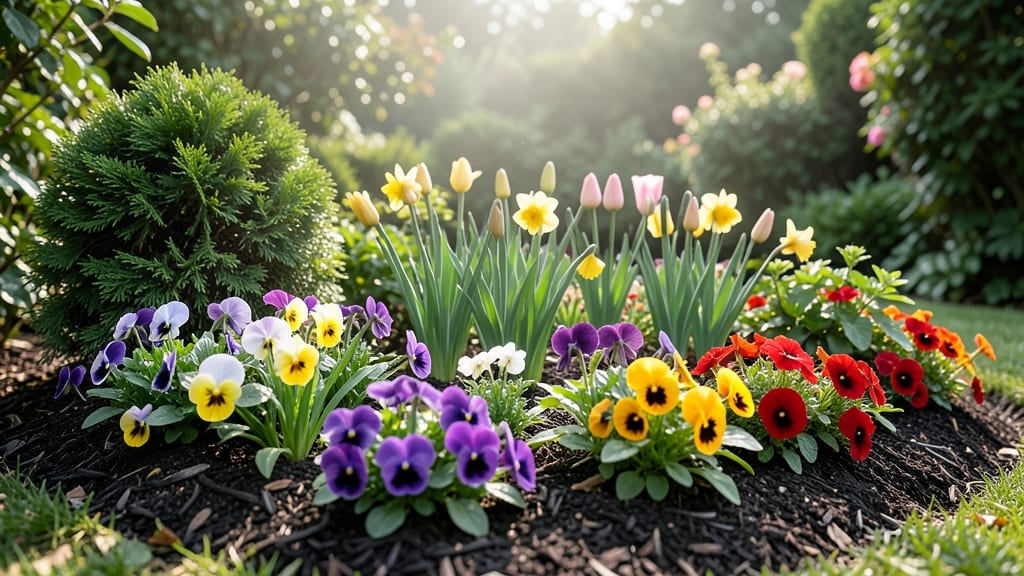
Tired of flower beds that look dull during half the year? Seasonal layered flower beds keep your garden vibrant from winter through summer by combining evergreen shrubs, winter pansies, spring bulbs, and summer annuals in a single, cohesive design. This approach ensures your space never looks bare, offering a seamless transition between seasons while maintaining a polished, modern aesthetic.
Start with a low-growing evergreen shrub like dwarf boxwood or creeping thyme> as your base layer for year-round structure. Add spring-blooming bulbs> like tulips or daffodils beneath, followed by winter pansies> planted in fall for early color. Finally, top with heat-loving annuals> like cosmos or zinnias for summer flair. Mulch with clean gravel or bark> to keep the bed tidy and define the layers visually.
This design is perfect for gardeners who want low-maintenance beauty> without seasonal gaps. Whether you're a busy professional or a weekend gardener, these layered beds deliver effortless elegance that evolves with the seasons. 🌷
Minimalist Zen-Inspired Flower Beds

Create a peaceful sanctuary in your garden with Zen-inspired flower beds that borrow from Japanese design principles. This approach focuses on simplicity, natural textures, and a sense of calm—perfect for transforming even a small outdoor space into a serene retreat.
Start with a clean, gravel-free base covered in smooth river stones to create a soft, natural surface. Plant just a few key elements: clumps of bamboo (like Fargesia for non-invasive varieties) for structure, a single Japanese maple (Acer palmatum) for seasonal color, and a generous spread of moss (like Thuidium delicatulum) to soften the space. Keep plantings sparse—let the negative space become part of the design.
This design thrives in partial shade and requires minimal upkeep, making it ideal for busy gardeners seeking tranquility. The subtle movement of bamboo leaves and the velvety texture of moss create a meditative atmosphere that blends seamlessly with modern landscapes. 💚