
Companion Plants
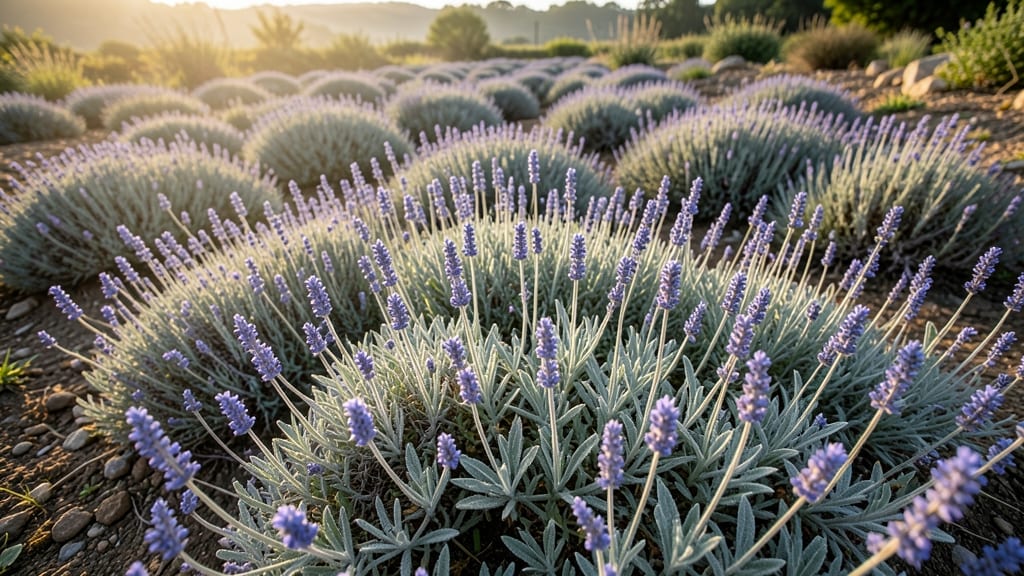
Transform your flower beds into a buzzing ecosystem with these 10 pollinator-friendly plants that bloom from spring to fall. These low-maintenance beauties attract bees, butterflies, and hummingbirds while adding vibrant color to your garden year-round.
Bee Balm with Purple Blooms
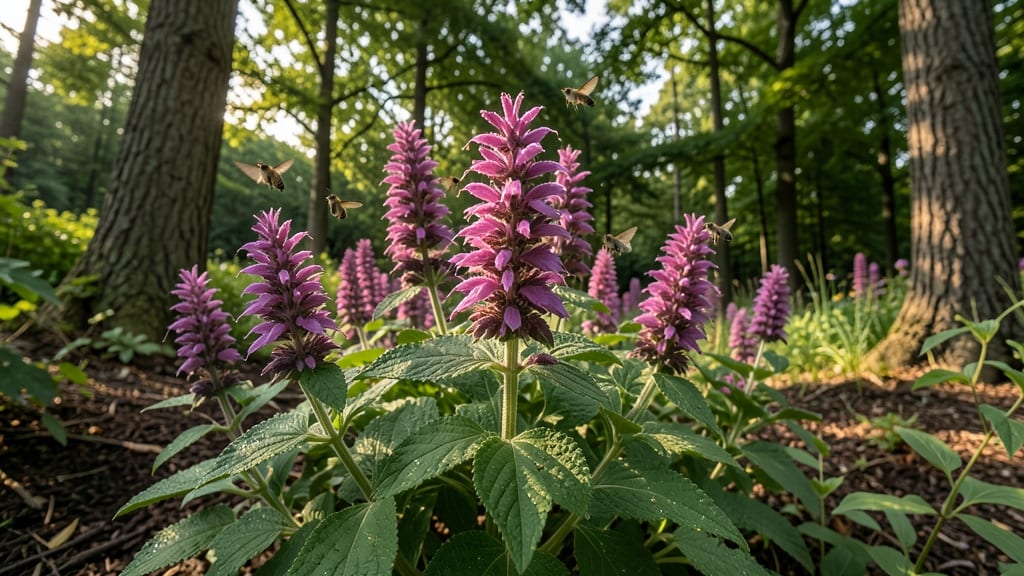
Watch your garden transform into a hummingbird hotspot with bee balm (Monarda didyma), a purple-blooming powerhouse that doubles as a pollinator buffet. This hardy perennial thrives in partial shade—ideal for woodland edges or under trees—while its fragrant blooms lure bees, butterflies, and hummingbirds with irresistible nectar.
Plant bee balm in moist, well-draining soil where it’ll spread naturally, thanks to its self-seeding habit. Deadhead spent blooms to encourage year-round color (though it may still self-sow aggressively—embrace the wildflower charm!). This low-maintenance plant handles heat and humidity, making it perfect for humid climates or shady spots where other flowers wilt.
Gardeners with partial shade gardens or those aiming to naturalize flower beds will love how bee balm fills gaps effortlessly. Its vibrant magenta blooms add drama while supporting ecosystems—just be prepared for a buzzing, fluttering spectacle! 🌟
Black-Eyed Susan Goldfinch
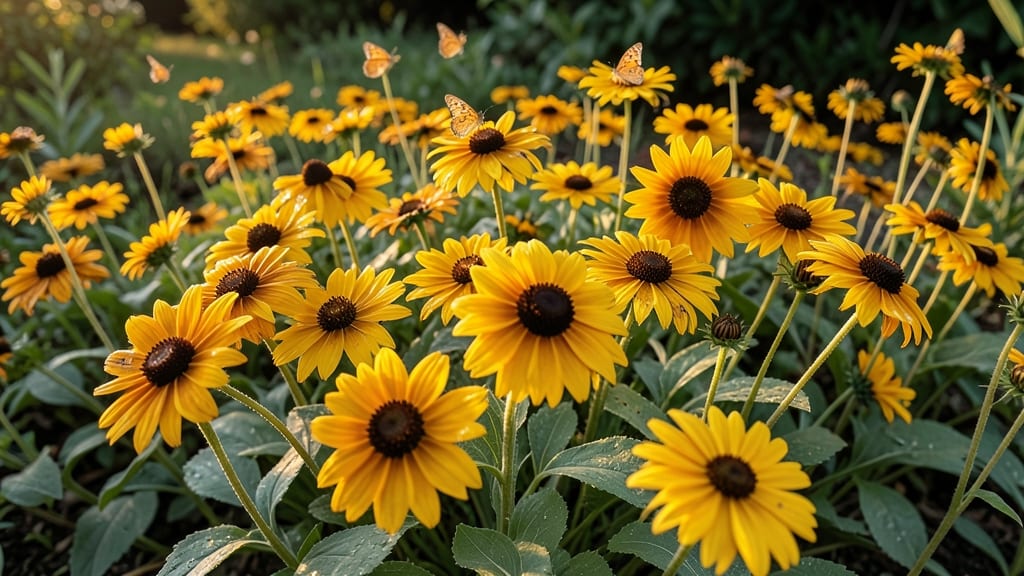
If you're craving a golden-yellow pop of color that thrives on neglect, Black-Eyed Susan Goldfinch is your go-to annual. Unlike finicky flowers, this cheerful bloomer laughs off drought and keeps producing nectar-rich flowers from midsummer straight through frost—making it a butterfly buffet until the first freeze.
Plant seeds in full sun after the last frost, spacing them 12-18 inches apart. The drought-tolerant roots mean you can skip watering once established, and its self-cleaning habit (old blooms drop naturally) means no deadheading required. Pair it with purple coneflower or salvia for a striking color contrast that pollinators can't resist.
Perfect for beginner gardeners and low-water landscapes, Goldfinch Black-Eyed Susan turns summer beds into buzzing hotspots with minimal effort. 🌻
Coneflower Purple Echinacea
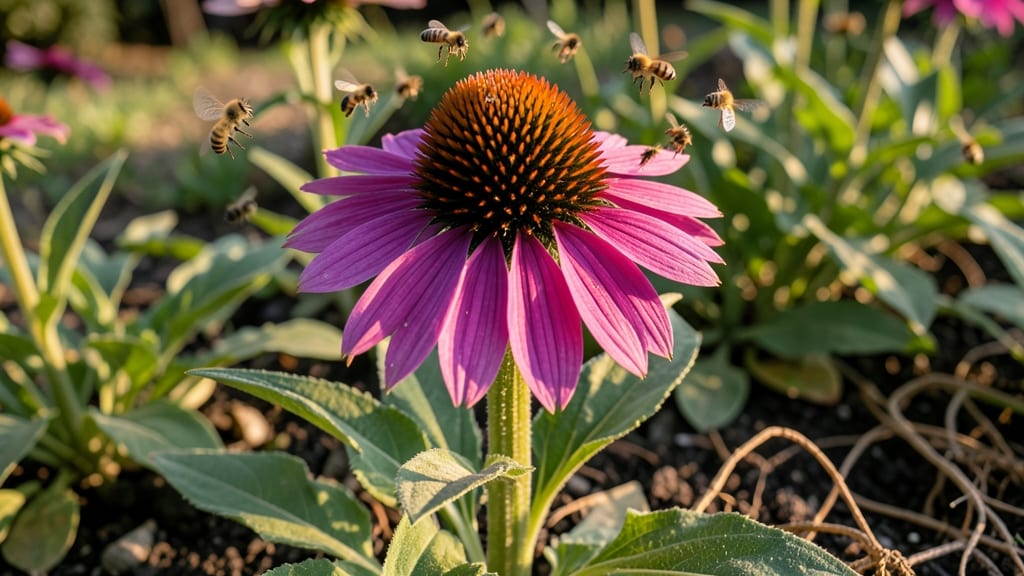
If you want a pollinator powerhouse that doubles as a medicinal garden staple, purple coneflower (Echinacea) is your answer. This daisy-like perennial doesn’t just attract bees—it keeps them buzzing for weeks with its nectar-rich blooms, while its roots have been used for centuries in herbal remedies.
Thriving in full sun to partial shade, this plant handles drought conditions once established and requires minimal care beyond occasional deadheading. The disease-resistant foliage makes it a reliable choice for both beginner and experienced gardeners, while its long vase life lets you enjoy the blooms indoors too.
Perfect for cottage gardens, prairie-style plantings, or even urban containers, purple coneflower brings both beauty and function to your space. 🌻
Butterfly Weed Orange Asclepias
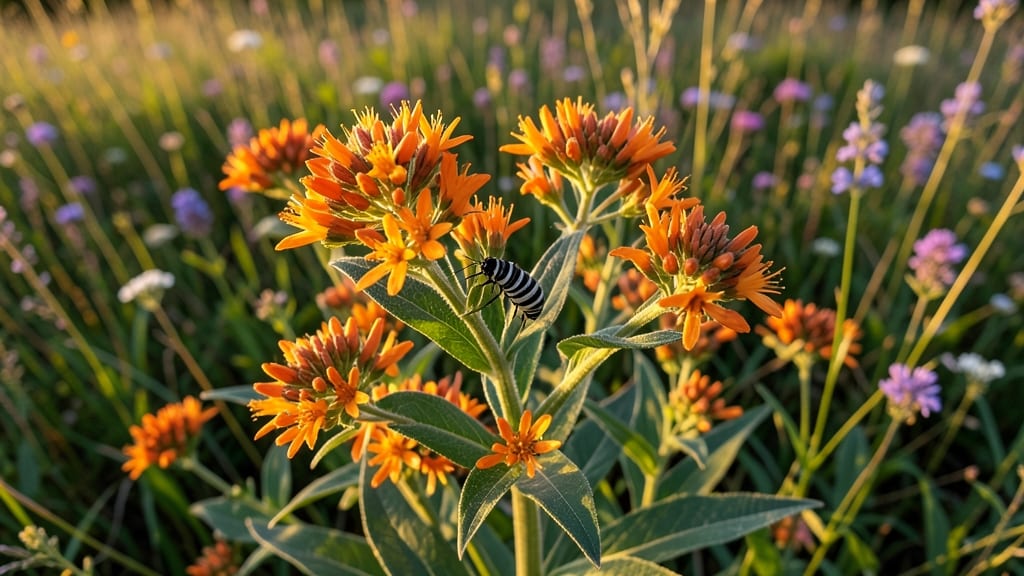
If you want to save monarch butterflies while adding a splash of color to your garden, butterfly weed (Asclepias tuberosa) is your perfect partner. This native milkweed isn’t just beautiful—it’s the sole food source for monarch caterpillars, making it a critical plant for conservation efforts.
With its bright orange blooms that appear from early summer through fall, butterfly weed thrives in full sun to partial shade and tolerates poor, rocky, or sandy soil—ideal for challenging garden spots. Deadhead spent blooms to encourage more flowers, and watch as monarchs, bees, and other pollinators flock to your garden. It’s also deer-resistant, so you won’t lose your plants to hungry browsers.
Perfect for native plant gardens or pollinator-friendly beds, butterfly weed is a low-maintenance superstar that rewards you with both beauty and purpose. 🌻
Salvia Blue Sage Pollinator
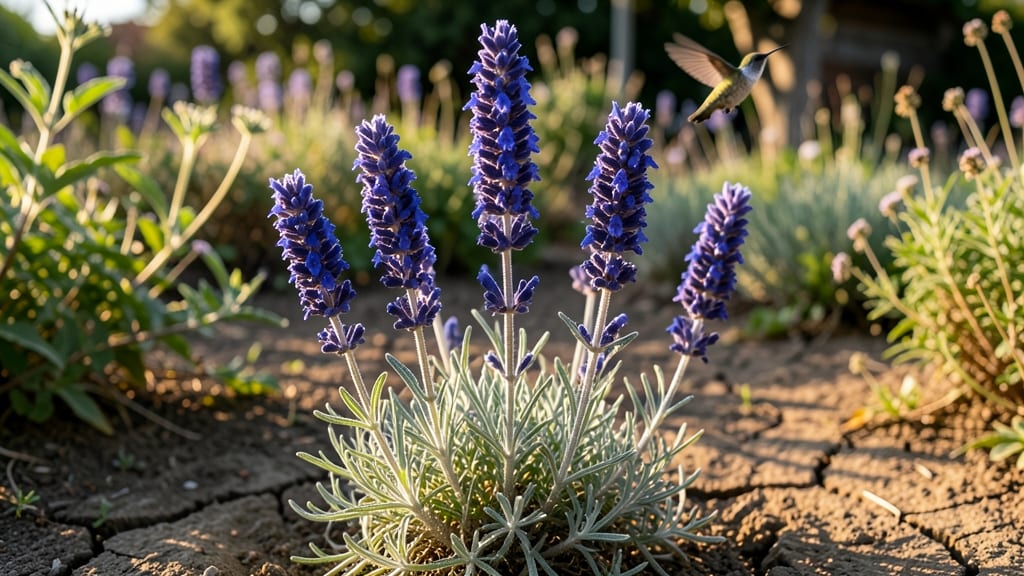
Looking for a drought-resistant pollinator powerhouse that doubles as a deer deterrent? Meet salvia blue sage—the spiky blue beauty that turns your garden into a hummingbird hotspot while keeping critters at bay.
This sun-loving perennial thrives in dry climates and cottage gardens, producing tall, velvety spikes of blue flowers from mid-summer to fall. Plant it in well-drained soil and watch as hummingbirds and bees flock to its nectar-rich blooms. The strong fragrance naturally repels deer, making it a low-maintenance solution for problem areas.
Perfect for gardeners in USDA zones 5-9, blue sage adds vertical interest and color without demanding constant care. Pair it with lavender or catmint for a fragrant, pollinator-friendly border that thrives on neglect. 🌟
Zinnias Profusion Series Mix
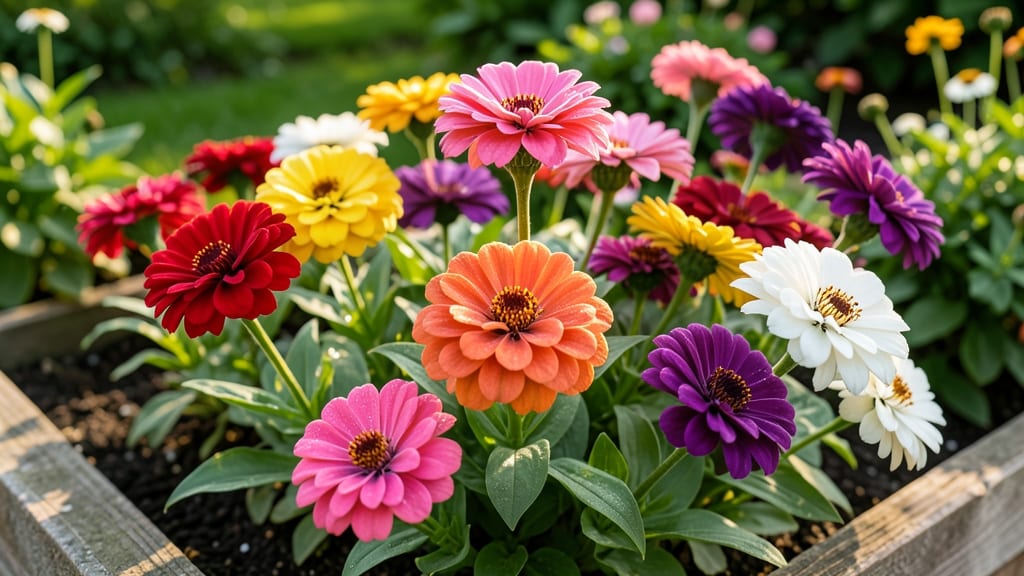
Want a flower that’s as easy to grow as it is stunning? The Zinnias Profusion Series Mix delivers bold, long-lasting blooms in every color imaginable—perfect for cutting gardens or pollinator-friendly beds. These annuals thrive in full sun and bloom nonstop from summer through frost.
With massive, dinner-plate-sized flowers, this mix attracts bees, butterflies, and hummingbirds while requiring minimal care. Plant seeds directly in the garden after the last frost, and in just 60 days, you’ll have vibrant blooms that last for weeks in vases. Deadhead spent flowers to encourage even more blossoms—ideal for beginners or busy gardeners.
This variety is a must-have for anyone who wants low-maintenance beauty with high impact. Whether you’re filling gaps in your flower bed or creating bouquets, Zinnias Profusion Series Mix delivers effortless charm. 🌻
Russian Sage Perovskia
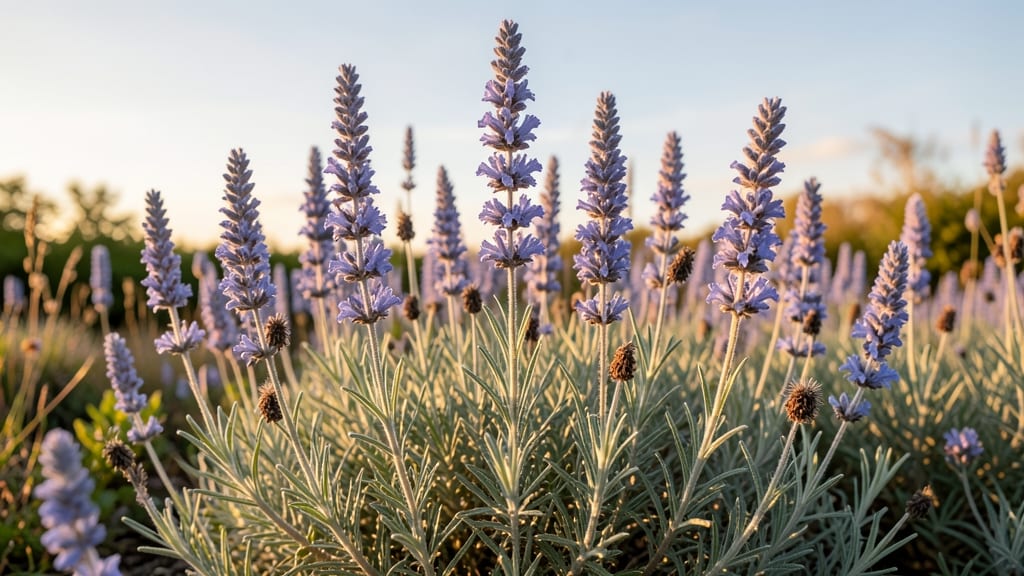
If you're looking for a low-maintenance perennial that thrives in drought conditions while adding height and texture to your flower beds, Russian sage (Perovskia) is your answer. Its airy, lavender-blue flower spikes bloom from mid-summer through fall, providing a long-lasting vertical accent that no other plant delivers.
This drought-resistant beauty thrives in full sun and well-drained soil, making it perfect for dry climates or areas with poor irrigation. Russian sage's silvery foliage adds contrast to borders, while its fragrant blooms attract bees, butterflies, and hummingbirds, turning your garden into a pollinator paradise. Simply shear back stems in early spring to encourage fresh growth.
Ideal for gardeners in zones 5-9, Russian sage is especially beneficial for those with limited water resources or rocky, dry soils. Its ability to thrive with minimal care makes it a standout addition to any pollinator-friendly garden. 🌿
Lavender English Hidcote
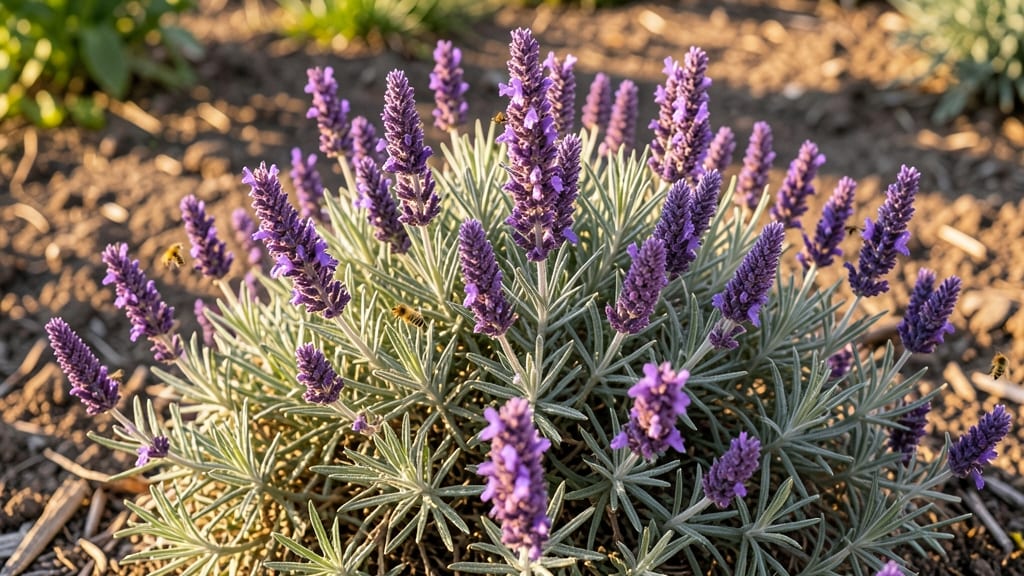
Looking for a low-maintenance plant that doubles as a natural pest repellent while filling your garden with fragrance? Lavender English Hidcote delivers with its striking fragrant purple spikes that bees adore and pests avoid.
This compact shrub thrives in full sun with just weekly watering once established, making it perfect for hot, dry climates. Its silvery foliage and dense growth habit naturally deter aphids, fleas, and even mosquitoes, while the flowers attract pollinators all summer long. Prune lightly after blooming to maintain its tidy shape.
Ideal for cottage gardens, herb borders, or even container plantings, English Hidcote lavender offers both beauty and functionality. Urban gardeners and pollinator enthusiasts will especially love its dual-purpose benefits. 🌿
Blanket Flower Gaillardia
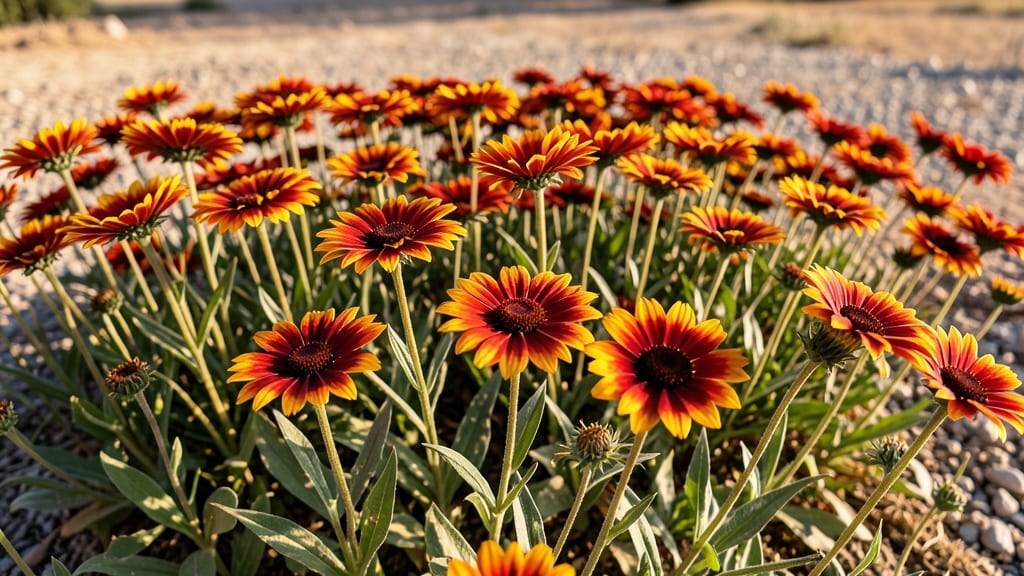
If your flower bed needs a heat-loving superstar that blooms from summer straight through frost, blanket flower (Gaillardia) delivers with its fiery red-and-yellow daisy-like blooms. Unlike many annuals that fade in the heat, this one thrives in full sun and even tolerates drought once established.
Plant seeds directly in well-drained soil after the last frost, spacing them 10-12 inches apart for full, bushy plants. The hoverfly magnet quality makes it a secret weapon against aphids—these beneficial insects feast on garden pests while sipping nectar. Deadhead spent blooms to encourage nonstop flowering until the first hard frost.
Perfect for sunny borders, wildflower meadows, or even container gardens, blanket flower brings effortless color with almost no care. Urban gardeners and pollinator enthusiasts will love how it turns neglected sunny spots into buzzing hubs of activity. 🌻
Catmint Walker's Low

Tired of deer ravaging your flower beds? Catmint Walker's Low is the secret weapon you need—this deer-resistant perennial thrives where others fail, spreading effortlessly into a fragrant, lavender carpet that blooms from early summer to frost.
This drought-tolerant plant thrives in poor soil conditions and full sun, making it ideal for rocky slopes or neglected corners of your garden. Its silvery foliage adds texture year-round, while the lavender-blue flowers attract pollinators like bees and butterflies without competing with other plants for attention. Simply plant and watch it spread!
Perfect for low-maintenance gardeners** and wildlife enthusiasts, Walker's Low catmint transforms bare spots into lush, fragrant ground cover that even deer will avoid. 💚