
Container Gardens
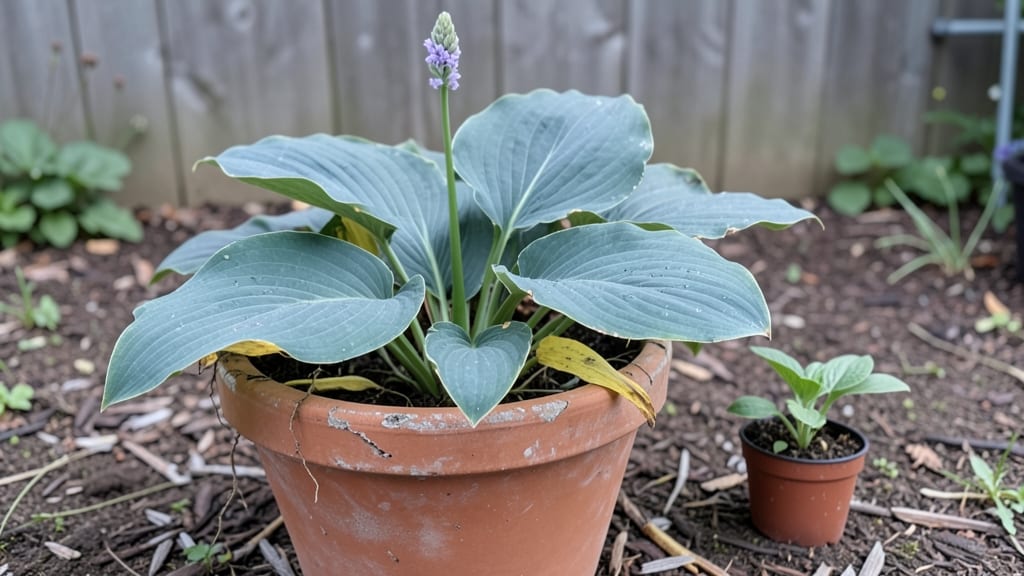
Container gardening with perennials is all about balancing root space, drainage, and soil health. 🌱 The right pot size prevents root-bound stress, while proper drainage keeps roots from rotting—especially critical during heavy watering.
I’ve found that terracotta pots wick away moisture faster than plastic, but plastic retains warmth better in cooler climates. For best results, pair your container with a mix designed for perennials, which typically includes perlite or sand to improve aeration.
Choosing the right plants makes all the difference. Smaller perennials like heuchera or salvia thrive in 12-inch pots, while deeper-rooted varieties such as hostas need at least 18 inches of depth.
Regular dividing every few years keeps them from becoming root-bound, and winter protection (like moving pots to a sheltered spot) extends their lifespan in containers.
💡 In This Article
- Key Factors for Growing Perennials in Containers
- Best Perennials for Pots and Container Gardening Tips
Key factors for growing perennials in containers
Perennial roots need space to expand, and container size directly impacts their health. Shallow-rooted varieties like lavender or thyme only require 10-12 inches of depth, while deeper-rooted plants such as hostas or peonies demand 18-24 inches to prevent root circling—a condition where roots grow in tight loops, strangling themselves.
The key factor is matching pot volume to the plant's mature root ball, which is typically 2-3 times wider than the plant's crown at maturity.
Drainage holes aren't just about water escape—they regulate oxygen flow to roots. Without proper drainage, soil stays saturated, causing anaerobic conditions that trigger root rot within 3-5 days of overwatering. Terracotta pots excel here because their porous walls wick away excess moisture, but they dry out faster in hot weather.
Plastic pots retain moisture longer, which works better in dry climates but requires more frequent watering checks. The ideal soil mix for containers combines 60% potting soil, 20% perlite, and 20% compost to balance drainage and nutrient retention.
Material choice affects temperature regulation too. Terracotta's breathability keeps roots cooler in summer but makes it vulnerable to cracking in freeze-thaw cycles. Plastic pots insulate better, maintaining 5-10°F warmer soil temperatures in winter—a critical advantage for cold-sensitive perennials like salvia.
Fabric grow bags offer a middle ground, combining drainage with moisture retention while allowing roots to breathe. The trade-off? They require more frequent watering since they dry out faster than plastic.
Root space requirements vary dramatically between species. For example, a 5-gallon pot might support one 1-gallon hosta plant but could accommodate three 1-quart lavender plants. Overcrowding leads to competition for nutrients, resulting in leggy growth or yellowing leaves.
Most perennials need repotting every 2-3 years as their root systems expand, which is why choosing a pot 2-3 inches larger than the current root ball gives them room to grow without immediate replanting.
Seasonal adjustments matter too. In winter, perennials in containers need 10-15% more protection than ground-planted varieties since pots lack soil insulation. Adding 2-3 inches of mulch around the base and moving pots to a sheltered location can prevent temperature swings that cause root damage.
Summer brings its own challenges: containers dry out 2-3 times faster than garden beds, so drip irrigation or self-watering systems become essential for maintaining consistent moisture levels.
What most gardeners overlook is how container size affects flowering. Plants in too-small pots allocate energy to root growth rather than blooms, resulting in sparse or stunted flowers.
For example, a 12-inch pot might support a single heuchera plant with vibrant foliage but could produce only half the flowers of the same plant in a 18-inch container. The rule of thumb?
If you're growing for flowers, prioritize depth over width to encourage robust root systems that support abundant blooms.