
Container Gardens
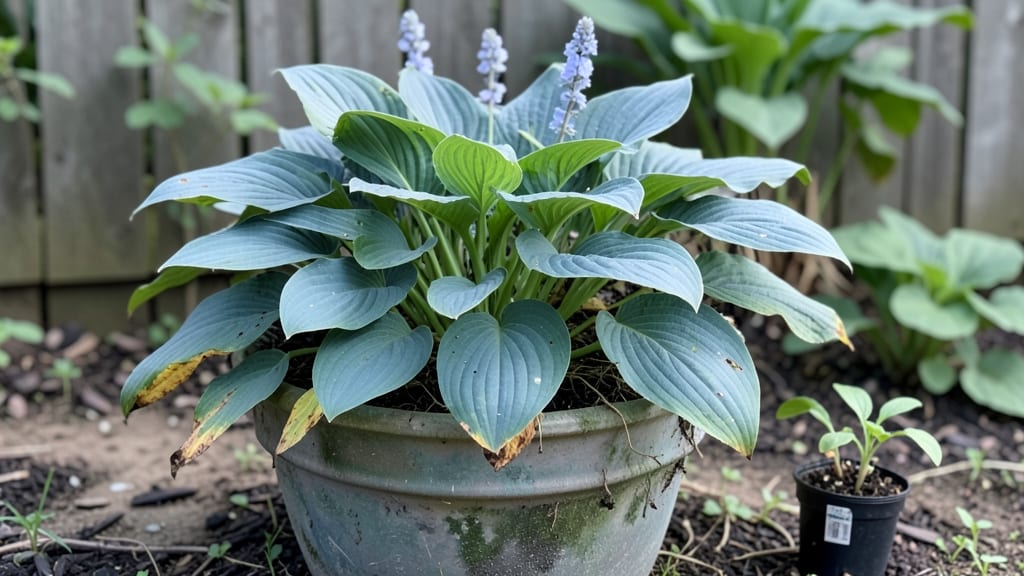
Container gardening with perennials works beautifully when you match the plant's root system to the pot size. 🌱 Shallow-rooted varieties like lavender or heuchera actually prefer the confined space, as it encourages bushier growth.
The key is mimicking their natural soil conditions—well-draining mixes with organic matter help prevent soggy roots, while larger pots give deep-rooted perennials like coneflowers room to establish without crowding.
I've found that adding a slow-release fertilizer at planting time gives them a strong start, especially in small containers where nutrients deplete faster.
What many gardeners overlook is how seasonal changes affect container perennials. In winter, cold-hardy varieties need extra insulation—wrapping pots in burlap or moving them to sheltered spots prevents freeze-thaw damage. For summer, I recommend checking moisture levels daily since pots dry out much faster than ground soil.
The right soil mix makes all the difference: a blend of potting soil, perlite, and compost keeps roots aerated while holding enough moisture.
💡 In This Article
- How Root Systems Affect Perennial Container Gardening
- Best Perennials for Pots and Container Care Tips
How root systems affect perennial container gardening
The science behind successful container gardening with perennials starts with understanding how root systems adapt to confined spaces. Unlike ground-planted perennials, container-grown plants develop a circular root pattern rather than spreading outward. This happens because roots grow toward moisture and nutrients, which become concentrated near the pot's edges.
Shallow-rooted varieties like lavender (6-12 inches deep) actually benefit from this confinement, as it encourages denser foliage growth. The key mechanism is root pruning—when roots hit the pot's sides, they branch more frequently, creating a tighter network that supports bushier above-ground growth. 🌿
Deep-rooted perennials like peonies or coneflowers present a different challenge. Their roots naturally extend 2-3 feet deep in the ground, but in containers, they'll only grow as deep as the pot allows. This is why a 18-inch-deep pot for peonies isn't just about space—it's about replicating their natural root zone.
Without adequate depth, these plants become stunted, with roots circling the bottom in a condition called pot-bound. The science here involves oxygen deprivation: compacted roots at the bottom create anaerobic zones where beneficial microbes struggle to thrive, leading to poor nutrient uptake and increased susceptibility to root rot.
Drainage emerges as the critical factor preventing these issues. Pots without drainage holes trap excess water, creating the perfect conditions for phytoftora and pythium pathogens. These water molds thrive in saturated soil, blocking root pores and suffocating roots within 48 hours of poor drainage.
The solution lies in a two-part system: drainage holes AND a well-amended soil mix. I've found that adding 20-30% perlite or pumice to potting soil creates air pockets that improve oxygen flow to roots, while still retaining enough moisture for perennials that prefer consistently damp conditions like hostas.
Soil aeration becomes particularly important when repotting. Every time you move a perennial to a larger container, you're essentially giving its roots a chance to "breathe" again. The process of loosening compacted roots during repotting stimulates new growth.
For example, a 5-gallon container (about 15 inches deep) works well for medium-sized perennials like black-eyed Susans, but you'll need to repot them every 2-3 years because their roots will eventually fill that space.
The key indicator is when roots start growing out of the drainage holes—this means it's time to upgrade to a 7-10 gallon container for continued healthy growth. ✨
Seasonal temperature fluctuations also impact root systems differently in containers. During summer, pot surfaces can reach 120°F in direct sun, creating a heat stress zone at the soil surface where roots near the top may dry out or cook.
This is why I recommend using light-colored containers or wrapping them in reflective bubble wrap during peak heat. In winter, the opposite problem occurs: pots cool faster than ground soil, potentially shocking roots.
The solution is adding 3-4 inches of mulch on top of the soil to insulate and maintain more stable temperatures.
What most gardeners don't realize is how root competition affects perennials in containers. When you mix multiple varieties in one pot, the most aggressive roots will dominate. For example, mint spreads through underground runners that can outcompete slower-growing perennials like Russian sage.
The solution is to group plants with similar water and nutrient needs together, or use dividers in large containers to separate root zones. This mimics natural plant communities where different species occupy distinct soil layers and microhabitats. 🌱
The bottom line is that container gardening with perennials requires understanding each plant's root architecture and adapting your pot size accordingly. Shallow-rooted varieties thrive in 12-18 inch containers, while deep-rooted perennials need 24+ inch depths.
The secret sauce? Prioritizing drainage, aeration, and seasonal adjustments to keep roots healthy in their confined space. With these principles, you can create stunning perennial containers that outperform their in-ground counterparts. 💫