
Plants
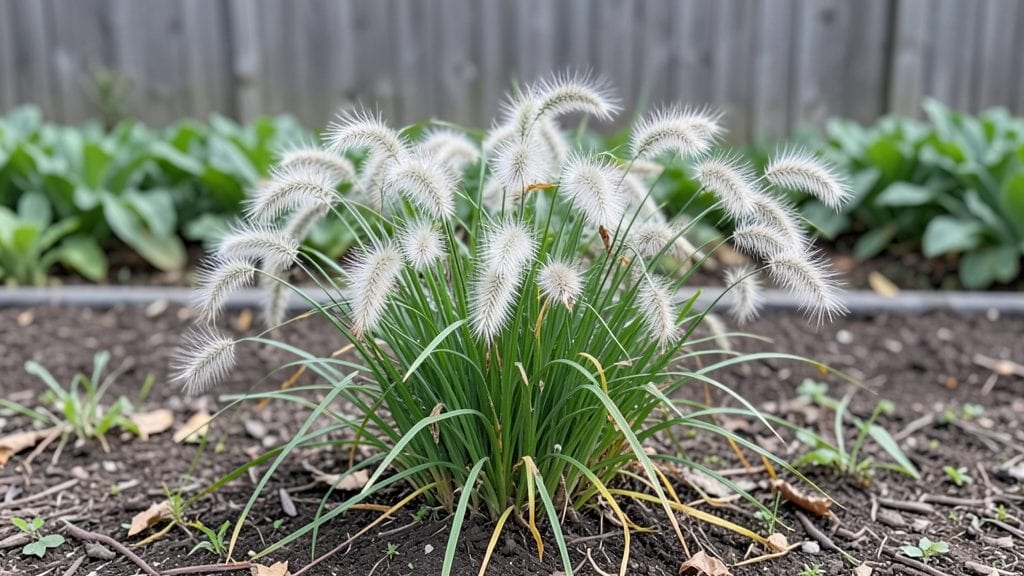
The bunny tail grass perennial spreads aggressively through underground rhizomes and airborne seeds, requiring strategic trimming in late spring or early summer to maintain control before seed heads form. Regular mowing and division can help limit its invasive tendencies.
The bunny tail grass perennial's rapid spread is no accident—it's a survival strategy. 🌱 Its extensive underground rhizomes can stretch up to 3 feet deep, while airborne seeds travel 10-20 feet from the parent plant, creating dense colonies quickly.
This hardiness makes it thrive in full sun to partial shade, though it struggles in waterlogged soils. The key to managing it lies in timing: cutting back before seed heads appear prevents new plants from sprouting, while frequent mowing weakens the root system over time.
What many homeowners don't realize is that this grass's aggressive nature actually makes it drought-tolerant once established. 💧 This resilience is both its strength and its Achilles' heel—while it can choke out other plants, it also requires consistent maintenance to keep it from dominating your landscape.
The earlier you act, the easier control becomes, so don't wait until it's already taken over.
💡 In This Article
- How Bunny Tail Grass Spreads in Landscapes
- Best Trimming and Maintenance Schedule for Bunny Tail Grass
How bunny tail grass spreads in landscapes
The bunny tail grass perennial's spread begins with its underground rhizomes, which grow horizontally at a rate of 6-12 inches per year. These thick, fibrous roots store nutrients and can produce new shoots at nodes along their length.
Unlike shallow-rooted grasses, bunny tail rhizomes extend 12-36 inches deep, allowing them to tap into moisture reserves during droughts. This deep root system also makes them resistant to shallow cultivation or herbicides that don't penetrate deeply.
Above ground, the plant's seed dispersal strategy is equally aggressive. Each mature plant produces hundreds of tiny seeds contained in fluffy, wind-borne seed heads that resemble cotton candy. These seeds can travel 10-20 feet from the parent plant, landing in disturbed soil where they germinate rapidly.
The seeds remain viable in the soil for up to 5 years, creating a massive seed bank that ensures new growth even after aggressive removal attempts. 🌬️ What's particularly concerning is that these seeds often hitchhike on clothing, tools, and even animal fur, spreading to new locations with ease.
Environmental factors dramatically accelerate its spread. Bunny tail grass thrives in well-drained soils with moderate to high fertility, where it can outcompete native plants. It prefers full sun to partial shade but tolerates drought conditions once established—making it a dominant force in xeric landscapes.
Moisture triggers rapid rhizome growth, while dry periods allow the plant to conserve resources underground. This dual adaptability explains why it's so difficult to eradicate once it takes hold in a landscape.
Here's what happens when you don't intervene: The plant's vertical growth reaches 2-4 feet tall, creating dense stands that block sunlight from reaching other plants. Its silver-blue foliage may look ornamental, but the reality is a suffocating mat that smothers ground covers and wildflowers.
The key biological mechanism at play is allelopathy—the plant releases chemicals that inhibit the growth of competing species, further securing its dominance in the ecosystem.
Soil type plays a crucial role in its spread. While it tolerates sandy loam and clay soils, it truly excels in loamy soils with pH levels between 6.0-7.5. In these conditions, rhizomes spread twice as fast compared to poorer soils.
The plant's ability to adjust its growth rate based on available resources makes it nearly impossible to outcompete without consistent, strategic management. 🌱 This adaptability is why it's considered one of the most invasive ornamental grasses in temperate climates.
What most gardeners overlook is the seasonal growth pattern that dictates spread timing. Rhizome growth peaks in late spring to early summer when temperatures average 70-85°F and soil moisture is consistent.
This is also when seed heads form, creating a two-pronged invasion strategy: underground expansion through rhizomes and above-ground colonization through seeds. Understanding this timing is crucial for implementing effective control measures before the plant establishes a permanent foothold.