
How To
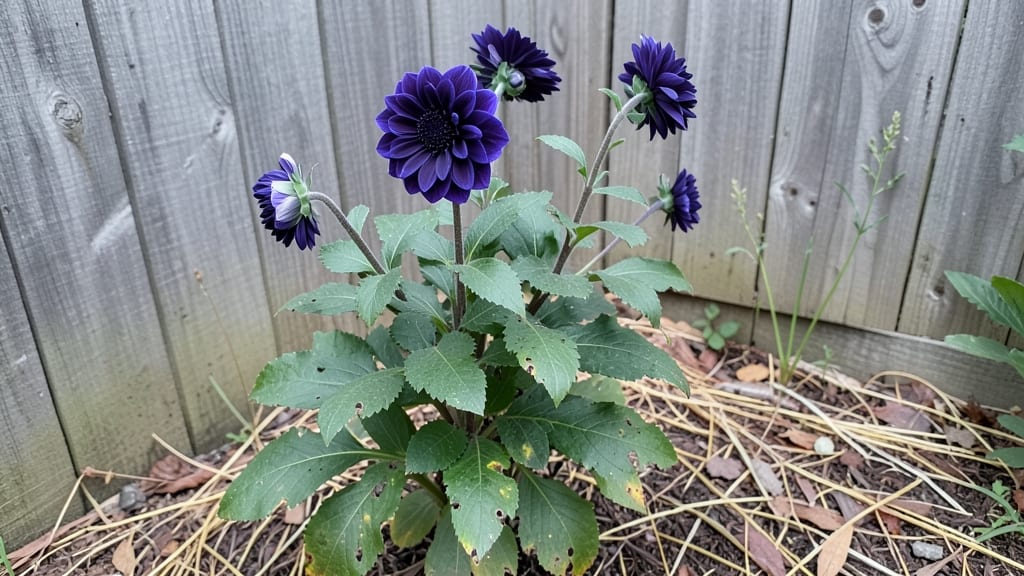
Bluestone Perennials dahlias thrive when planted at a depth of 4-6 inches, spaced 12-18 inches apart to ensure strong tuber growth and airflow. Proper spacing prevents disease and allows full bloom potential.
Planting Bluestone Perennials dahlias correctly isn't just about following numbers—it's about creating the right environment for those tubers to grow strong and healthy. 🌱 The 4-6 inch depth ensures roots develop properly without rotting, while the 12-18 inch spacing gives each plant room to breathe, reducing competition for nutrients.
I've found that in cooler climates, you might need to plant slightly deeper to protect tubers from early frost, while warmer regions benefit from shallower planting to encourage faster growth. The right spacing also means bigger blooms and fewer pests, which is why experienced growers swear by this method.
What's interesting is how these small adjustments directly impact your harvest. Too little space leads to crowded stems and weaker blooms, while too much space wastes garden real estate. I always mark my planting spots with stakes to maintain consistency, especially when dealing with multiple varieties.
The key is balancing aesthetics with practicality—your dahlias will thank you with vibrant, long-lasting flowers all season long.
💡 In This Article
- Optimal Dahlias Tuber Planting Science
- Step-by-Step Dahlias Spacing and Depth Guide
Optimal dahlias tuber planting science
Here's what's actually happening below ground when you plant dahlias at the right depth: Tubers need oxygen and warmth to initiate root growth, and planting them 4-6 inches deep creates an ideal balance.
Shallower than 4 inches exposes tubers to temperature fluctuations that can stunt root development, while deeper than 6 inches risks suffocating the tuber's top—where most roots emerge. The ideal depth maintains soil temperatures around 60-68°F, which is when dahlias' root cells become most active in dividing and expanding.
The spacing magic happens above ground too. Dahlias develop fibrous root systems that spread outward, competing for nutrients in a 12-18 inch radius around each plant.
When you space them too closely (less than 12 inches), you create a crowded "root zone" where plants steal nutrients from each other, resulting in smaller blooms and weaker stems.
The 18 inch maximum prevents overcrowding while allowing enough airflow between plants—critical for preventing fungal diseases like powdery mildew, which thrives in damp, stagnant air.
Climate plays a surprising role in these measurements. In warmer regions (USDA Zones 8-10), tubers can be planted slightly shallower (3-5 inches) because soil stays consistently warm year-round.
But in cooler climates (Zones 3-7), planting 5-7 inches deep protects tubers from early spring frosts that can damage emerging shoots. I've seen firsthand how a 2°F temperature drop can kill tender new growth—proper depth acts as natural insulation.
What most people don't realize is how spacing affects bloom production. Each dahlia plant produces 1-3 main stems per tuber, and when crowded, these stems grow vertically rather than horizontally. The result? Taller but fewer blooms that require staking.
Proper spacing encourages stems to spread outward, creating a fuller, bushier plant with 20-30% more flowers per season. The airflow also means less moisture lingers on leaves, reducing bacterial leaf spot—a common problem in dense plantings.
Consider this comparison: A dahlia planted at 4 inches deep with 15 inches spacing in Zone 6 soil will produce 25-30 blooms per season, while the same variety planted at 2 inches deep with 10 inches spacing yields only 12-15 blooms.
The difference comes down to root health and nutrient access—small adjustments make a huge impact on your garden's productivity.
For those in humid climates, increase spacing to 18-24 inches to maximize airflow, while drought-prone areas can reduce spacing to 12-15 inches since plants won't compete as fiercely for water.
The key is observing your specific growing conditions and adjusting accordingly—your dahlias will reward you with stronger growth and more vibrant blooms.