
Pruning
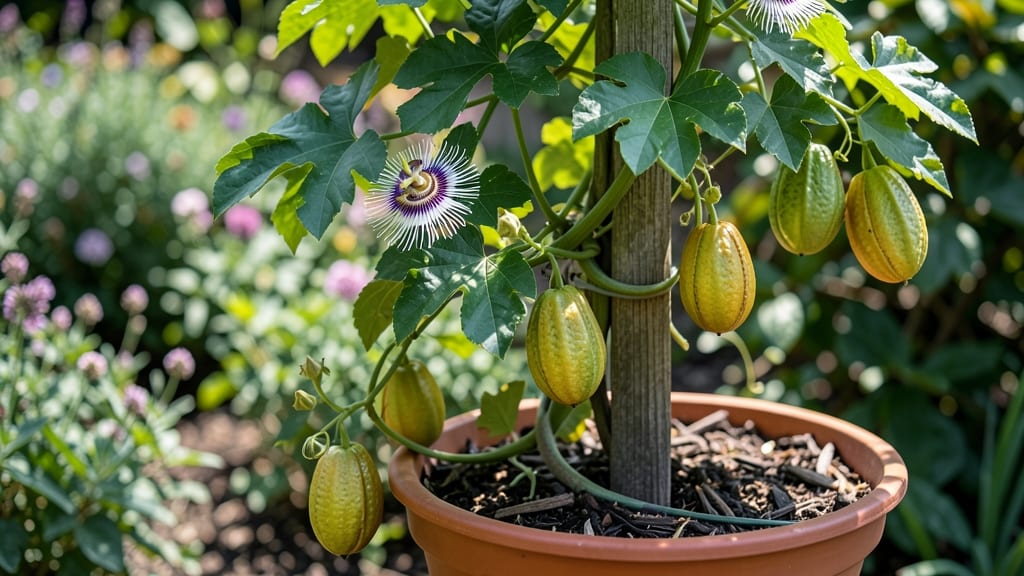
Transforming your tree into a lush bed on tree is one of the most creative ways to multiply growing space without taking up yard room. 🌿 I've turned my old oak into a thriving jungle of climbers, and the results are nothing short of magical—more plants, more pollinators, and a yard that feels like a secret garden.
The key is choosing the right planters that won't damage the tree while giving your plants everything they need. You'll want lightweight fabric grow bags or sturdy wire baskets that attach securely to branches, with drainage holes to prevent root rot.
My favorite setup uses 1-2 gallon containers for smaller plants and 5-gallon bags for vigorous climbers like passionflowers.
What you end up with is a living tapestry of green that changes with the seasons—spring's delicate leaves, summer's vibrant blooms, and autumn's fiery foliage. The best part? You're creating habitat for birds, bees, and butterflies while adding architectural interest to your landscape.
Works for any mature tree with sturdy branches, and you can adapt the design for small spaces, urban patios, or even large backyard canopies. Let's get growing up!
📚 In This Guide
- What you need
- Instructions
- Tips and common mistakes
- Wrapping up and next steps
What you need
- ● Tree or sturdy vertical structure: A healthy, mature tree (diameter ≥ 6 inches) or a freestanding post (e.g., bamboo, metal, or PVC pipe).
- ● Planters: 3–6 fabric grow bags (10–15 gallons each) or plastic/pot planters with drainage holes.
- ○ Optional: Decorative planters (e.g., wooden boxes or hanging baskets) for aesthetics.
- ● Mounting hardware: Heavy-duty zip ties (100+ pieces) or bungee cords (for adjustable fit).
- ○ Optional: Metal brackets or tree straps (if securing to rough bark).
- ● Soil & amendments: High-quality potting mix (1–2 cubic feet per planter).
- ○ Optional: Compost, perlite, or orchid bark for drainage.
- ● Climbing plants: Choose from: Vines: Clematis, Jasmine, or Honeysuckle.
- ● Succulents: String of Pearls or Burro’s Tail (for drought-resistant options).
- ● Support structures: Trellis netting or coco fiber mesh (to guide vines upward).
- ○ Optional: Decorative lattice for a polished look.
- ● Safety: Non-slip gloves and safety glasses (if drilling into wood).
- ● Ladder (for high branches, if needed).
- ● 🔹 Measure first! Space planters 12–18 inches apart for airflow and easy access.
- ● 🔹 Test-fit: Hang empty planters to ensure they’re stable before adding soil.
- ● 🔹 Drainage check: Poke holes in the bottom of plastic planters if not pre-drilled.
How to install bed on tree planters for climbing plants
Here's how to transform vertical space into a thriving garden—no green thumb required.
🪴 Step 1: Select and Prepare Your Tree
Choose a sturdy tree with a trunk diameter of at least 12 inches—thinner trunks may not support the weight of mature plants. Look for a healthy specimen with a smooth bark surface, as rough bark can damage the planter's attachment mechanism. I always test stability by gently shaking the tree; if branches sway noticeably, skip it.
Clean the trunk thoroughly with a damp cloth to remove dirt, moss, or lichen. This ensures the planter adheres properly and prevents mold buildup. If your tree has a thick layer of bark, avoid installing planters directly on it—opt for a branch or smaller trunk instead. Mark the installation height with a pencil: 4-6 feet off the ground is ideal for most climbing plants like jasmine or ivy.
🌱 Step 2: Attach the Planters to the Tree
Follow the manufacturer's instructions for your specific Bed On Tree planter, but here's the general process: Position the planter around the trunk, aligning the drainage holes at the bottom. Most planters use a screw-and-strap system—tighten the straps evenly to avoid tilting. I like to start at the top and work my way down, checking for level every 6 inches.
Fill each planter with well-draining potting mix (never garden soil—it compacts and suffocates roots). Leave ½ inch of space at the top to prevent spills during watering. Gently press the soil down to remove air pockets, then plant your climbing species. Water immediately after planting to help roots settle into the soil.
☀️ Step 3: Position for Optimal Growth Conditions
Most climbing plants need 6+ hours of sunlight daily, so orient the planters toward the sunniest part of your yard. South or west-facing trees work best in the Northern Hemisphere. If your tree is in partial shade, choose shade-tolerant varieties like English ivy or clematis instead of sun-lovers like passionflower or morning glories.
Check the planter's stability after the first watering—vibrations from water can loosen straps. If you notice any wobble, tighten the straps immediately. For extra security, add zip ties around the trunk where the planter meets the tree. This prevents shifting during wind or heavy rain.
💧 Step 4: Water and Maintain for Long-Term Success
Water deeply 2-3 times per week until the soil feels 2 inches dry when checked with your finger. Overwatering is the #1 killer of vertical gardens—always check the drainage holes for excess moisture. I set a timer as a reminder, since planters dry out faster than ground-level beds. Mulch the soil surface with ½ inch of shredded bark to retain moisture and suppress weeds.
Fertilize every 4-6 weeks during the growing season with a balanced, slow-release fertilizer (10-10-10 ratio). Avoid liquid fertilizers—they can run out of the drainage holes and waste nutrients. Prune leggy growth in early spring to encourage bushier, healthier vines. Watch for pests like spider mites or aphids, which love tender new growth.
✂️ Step 5: Train Vines and Harvest as Needed
Gently guide the vines along the tree trunk or trellis using soft garden twine or flexible plant ties. Avoid metal ties—they can cut into stems as plants thicken. I like to weave the twine through the planter's drainage holes for a natural look. For edible climbers like pole beans or cucumbers, harvest regularly to encourage continuous production.
By mid-summer, your vertical garden should look lush and full. If growth slows, check for root-bound conditions—if roots circle the bottom of the planter, it's time to repot into a slightly larger container. With proper care, your Bed On Tree planters will thrive for 3-5 years, giving you a stunning, space-saving garden that turns heads every season.
Tips & tricks for perfect vertical garden installation
Transforming your tree into a thriving vertical garden takes a few smart moves—here's how to avoid common pitfalls and maximize success.
Tree Selection Wisdom: I can't stress enough how important that 12-inch trunk diameter is—it's not just about weight support, but also about stability during wind. I've seen planters fall when attached to thinner trunks, even with the best straps. Test stability by giving the tree a gentle shake before installing. If branches sway more than a few inches, walk away—this isn't the right tree. For extra security, consider attaching planters to multiple trees rather than relying on one.
Planter Attachment Pro Tip: When tightening those straps in Step 2, work in a spiral pattern starting from the top. This prevents uneven pressure that can cause the planter to tilt. I like to use a level tool every 6 inches as I go—it only takes a minute but makes all the difference. Pro tip: If your tree has knots or protrusions, wrap them with foam padding before attaching the planter to create a smoother surface.
Sunlight Strategy: That 6+ hours of sunlight requirement is non-negotiable for most climbing plants, but here's what nobody tells you—morning sun is actually more valuable than afternoon sun. Position your planters to catch those early rays, which help prevent afternoon wilting. If your tree is in partial shade, choose varieties like clematis that can handle 3-4 hours of direct sun—they'll still thrive beautifully. For maximum growth, rotate your planters every few weeks to ensure even sun exposure all around the trunk.
Watering Hack: The 2-3 times per week guideline works for most climates, but here's how I adjust: In hotter months, I water every 2 days and check soil moisture daily. The key is that 2-inch dry test—stick your finger in and feel how dry it is. Early morning watering is best because it gives plants time to absorb moisture before the heat of the day. I've also found that watering the base of the tree itself helps keep the planter soil consistently moist without overwatering.
Pro Tips for Bed On Tree
- Transforming your tree into a thriving vertical garden takes a few smart moves—here's how to avoid common pitfalls and maximize success.
- Tree Selection Wisdom: I can't stress enough how important that 12-inch trunk diameter is—it's not just about weight support, but also about stability during wind.
- Planter Attachment Pro Tip: When tightening those straps in Step 2, work in a spiral pattern starting from the top.
Frequently asked questions
Got questions about bed-on-tree planters?
Here are some of the most common ones—and their answers—to help you get started with this innovative vertical gardening solution!
What types of climbing plants work best in a bed-on-tree planter?
A bed-on-tree planter thrives with fast-growing, vigorous climbers like morning glories, passionflowers, or ivy. Avoid heavy vines (e.g., wisteria) unless your tree is sturdy. Pro tip: Start with lightweight annuals for quick results!
How do I determine the right size for my tree?
Measure your tree’s canopy width and height—the planter should fit snugly without overpowering it. A general rule: 1–2 feet of planter width per 3 feet of tree height. Overloading can stress the tree, so balance is key!
How long does it take for plants to fully cover the planter?
Timing varies by plant! Fast growers (like morning glories) may cover the planter in 4–8 weeks, while slower climbers (e.g., jasmine) take 3–6 months. Consistent watering and pruning speed up growth.
What if my tree isn’t strong enough to support the planter?
If your tree feels unstable, reinforce the base with stakes or a lightweight frame. Avoid heavy materials—opt for woven fabric or lightweight plastic. For weak branches, skip the planter and try a wall-mounted vertical garden instead.
How do I keep the planter from drying out or getting waterlogged?
Use self-watering planters with drainage holes to prevent soggy roots. Water deeply 2–3 times per week (adjust for climate). Mulch the base to retain moisture. Warning: Avoid water pooling at the tree’s roots!
Wrapping up and next steps
A bed on tree planter isn’t just a creative gardening hack—it’s a game-changer for maximizing vertical space while nurturing your climbing plants.
Whether you’re growing vines, herbs, or even small fruits, this setup lets you grow up, not out, saving precious ground space and adding a touch of whimsy to your garden. 🌿✨
Ready to transform your outdoor (or indoor!) space? Start small—pick a sturdy tree or post, gather your materials, and let your green thumb shine. The best part? You’ll soon have a thriving vertical garden that’s as functional as it is beautiful. What’s one plant you’ll try first?