
Flowers
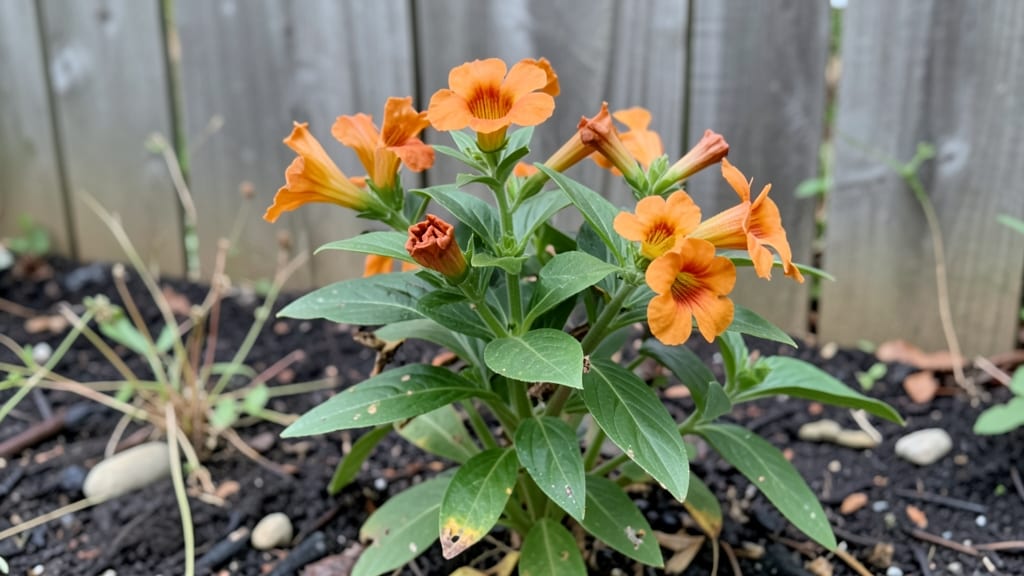
These flowers are classified as annuals because their roots and stems can't withstand freezing temperatures, which cause irreversible damage. 🌱 Unlike their perennial cousins like Impatiens walleriana, Beacon impatiens prioritize rapid growth and blooming during their single season rather than investing energy in surviving winter.
If you're in a zone with mild winters (like USDA zones 10-11), you might see them self-seed or regrow from basal shoots—but this isn't reliable in colder regions.
What makes them special is their heat tolerance and continuous blooming from spring until frost. I've found that starting seeds indoors 6-8 weeks before your last frost date gives them a head start, while transplanting mature plants after all danger of frost has passed extends their display.
For gardeners in colder climates, treating them as annuals ensures you get that bold color impact every year without winter stress.
💡 In This Article
- Why Beacon Impatiens Die After One Season
- Extending Beacon Impatiens Season with Smart Planting
Why Beacon impatiens die after one season
Beacon impatiens (Impatiens × hybrid 'Beacon') are classified as annuals because their biological survival strategy prioritizes rapid growth and reproduction over long-term persistence. Unlike perennial impatiens like Impatiens walleriana, they lack the hardy root systems and dormant buds designed to survive freezing temperatures.
When nighttime temperatures drop below 32°F, their cell membranes rupture, and the plant's water content freezes, causing irreversible damage to their delicate tissues. 🌡️ This cold sensitivity is hardwired into their genetics—annuals evolve to complete their life cycle quickly in warm seasons rather than invest energy in winter survival.
The key difference lies in their growth patterns. Annual varieties like Beacon impatiens allocate nearly all their energy to producing flowers and seeds within a single growing season, often blooming continuously from early summer until frost. Their stems are tender and non-woody, making them vulnerable to even light freezes.
In contrast, perennial impatiens develop thicker stems and underground storage organs (like rhizomes) that can regenerate after winter. Beacon impatiens simply don't have this biological infrastructure—once temperatures dip, their entire structure collapses within 24-48 hours.
What most gardeners don't realize is how temperature fluctuations trigger this decline. Even if daytime temperatures stay above 50°F, nighttime drops below 40°F can stunt growth and weaken the plant's defenses.
The plant's metabolic processes slow dramatically, and without the ability to photosynthesize effectively in cooler weather, it becomes increasingly susceptible to fungal diseases and pests.
This is why you'll often see Beacon impatiens struggling in late summer—what looks like heat stress is actually their body preparing for the inevitable seasonal shutdown. 🌬️
There's also a genetic trade-off at play. Beacon impatiens are bred for their vibrant colors and long bloom times, not for cold resistance. Their parent species, Impatiens balsamina (the garden balsam), is native to tropical and subtropical regions where winters don't exist.
When you compare them to hardier impatiens like Impatiens walleriana, you'll notice the perennial varieties have thicker leaves with a waxy coating that helps retain moisture and resist cold better. Beacon's thin, delicate leaves are optimized for rapid water absorption in warm conditions, not for enduring frost.
The good news is that this annual nature makes them incredibly predictable garden performers. Since they don't invest energy in winter survival, all their resources go into producing those stunning red, pink, or orange blooms you love.
In climates with mild winters (USDA zones 10-11), you might occasionally see them self-seed or produce basal shoots that emerge in spring—but this isn't reliable enough to consider them true perennials.
For most gardeners, treating them as annuals ensures you get that reliable summer color display every year without the uncertainty of winter survival. 🌸