
Succulent
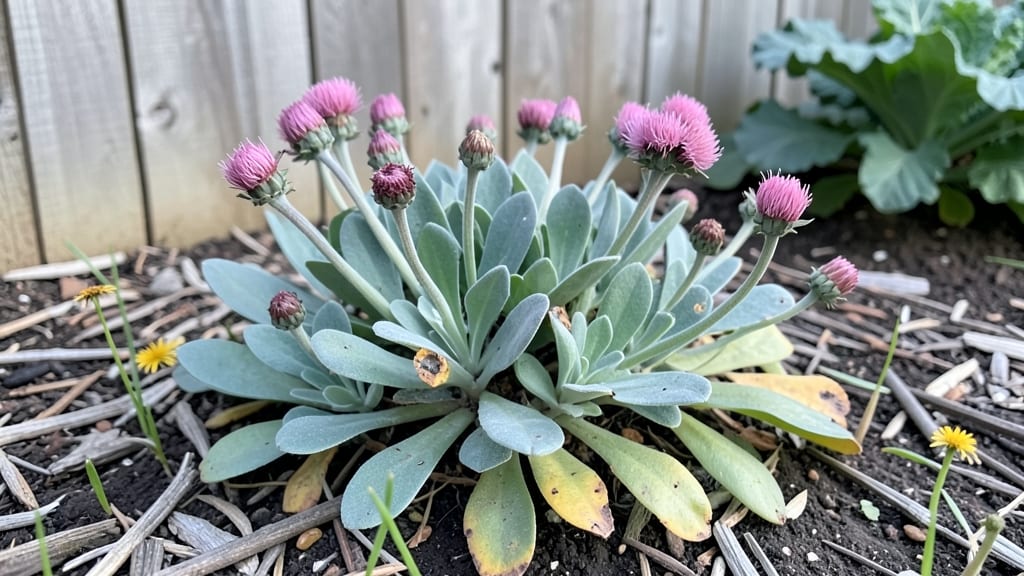
Growing the Autumn Joy stonecrop perennial 🌸 transforms your garden into a low-maintenance masterpiece that stays vibrant long after frost.
Picture this: a drought-proof plant that blooms from summer until winter’s first freeze, requiring almost no care. Unlike finicky perennials that wilt in heat or demand constant water, this sedum thrives in full sun and rocky soil—making it the perfect solution for busy gardeners or rocky landscapes.
What makes it truly special is how it evolves with the seasons. Its pinkish-red blooms start as green buds in summer, then deepen into a stunning rose hue by fall, creating a natural color show without any extra effort.
In this guide, you’ll learn how to plant it for maximum impact, when (and when not) to water, and how to keep it looking its best year after year—so you can enjoy effortless beauty with zero guilt.
Why Autumn Joy stonecrop stands out among frost-resistant perennials
When comparing frost-resistant perennials, Autumn Joy stonecrop (Sedum 'Autumn Joy') truly shines with its year-round color and zero-fuss care. Unlike many sedums that fade in winter, this cultivar transforms from chartreuse foliage to deep rose-pink blooms as temperatures drop.
Its USDA hardiness zones 3-9 make it one of the toughest perennials for cold climates, outlasting even Russian sage in harsh winters.
What sets it apart is its three-season interest. While hen-and-chicks (Sedum spp.) offer spring blooms, Autumn Joy delivers summer foliage, fall flowers, and winter seed heads.
Even in drought conditions, it thrives where lamb's ear might struggle, making it ideal for xeric landscapes and rock gardens.
The comparison table below highlights how Autumn Joy outperforms other frost-resistant perennials in key categories like color duration, water needs, and pollinator support. Unlike ice plant (Delosperma), which requires full sun and well-draining soil, Autumn Joy adapts to partial shade and average garden soil with ease.
Here's why gardeners consistently choose it over alternatives like Dragon's Blood sedum or Orpine:
| Trait | Autumn Joy Stonecrop | Dragon's Blood Sedum | Orpine (Sedum morganianum) | Russian Sage |
|---|---|---|---|---|
| Hardiness Zones | 3-9 | 4-9 | 5-9 | 4-9 |
| Color Duration | Spring to frost | Spring to early summer | Spring only | Summer to early fall |
| Water Needs | Drought-tolerant | Moderate | Low (succulent) | Moderate |
| Pollinator Support | Bees, butterflies, hummingbirds | Bees only | Minimal | Bees, butterflies |
| Maintenance Level | Very low | Low | Very low | Moderate |
| Best For | Borders, containers, pollinator gardens | Rock gardens, borders | Hanging baskets, succulent gardens | Dry gardens, borders |
One of Autumn Joy's standout features is its adaptability to various soil types. While Russian sage demands well-draining, alkaline soil, Autumn Joy thrives in sandy loam, clay, or even poor urban soil.
This makes it perfect for urban gardens where other perennials might fail. Its deep root system also helps suppress weeds, reducing the need for mulching or herbicide.
For pollinator gardens, Autumn Joy is a powerhouse. Unlike Orpine, which offers little nectar, its clustered pink blooms attract bees, butterflies, and even hummingbirds from July through October.
This extended bloom time gives it an edge over Dragon's Blood sedum, which typically blooms for only 4-6 weeks in spring.
Another advantage is its resilience to pests. While Russian sage can attract aphids or spider mites in dry conditions, Autumn Joy rarely faces these issues. Its succulent leaves store moisture, making it drought-resistant once established.
Even in Zone 3, where winters can be brutal, it returns year after year with minimal care.
If you're designing a low-maintenance garden, Autumn Joy stonecrop is a game-changer. Its vertical growth habit (reaching 1-1.5 feet) creates textural contrast in borders, while its winter seed heads add structure to winter landscapes.
Pair it with golden sedum for a two-tone effect, or plant it alongside black-eyed Susans to extend your fall color palette.
For container gardening, Autumn Joy excels in 5-gallon pots with cactus mix soil. Unlike Orpine, which needs hanging baskets, it grows upright
How to plant and care for Autumn Joy stonecrop in any climate
Autumn Joy stonecrop thrives in USDA zones 3-9, making it one of the most adaptable perennials for gardeners across North America. Its secret? A sun-loving nature combined with rock-hard drought tolerance. Whether you're in a hot desert climate or a cool mountain region, this plant delivers vibrant pink blooms from midsummer until frost—with minimal effort from you. The key lies in proper planting and understanding its low-maintenance care routine.
Unlike fussy perennials, Autumn Joy sedum doesn't demand rich soil or constant watering. In fact, overwatering is its biggest enemy. This succulent-like plant stores moisture in its thick leaves, allowing it to survive weeks without rain once established.
For best results, plant it in well-draining soil with 6+ hours of sunlight daily. In partial shade, you'll still get flowers, but they'll be smaller and less vibrant. Let's dive into the step-by-step planting and care routine that keeps this beauty thriving year after year.
⚠️ Common Killer Mistakes with Autumn Joy Stonecrop
Overwatering is the #1 reason these plants fail. Autumn Joy sedum rots in soggy soil—water only when the top 2 inches of soil are completely dry. Even in summer heat, once established, it needs no weekly watering.
Another mistake? Planting in shady spots. While it tolerates partial shade, blooms will be sparse. For that show-stopping pink display, give it full sun exposure.
Finally, pruning too late reduces next year's flowers. Always cut back dead foliage in early spring, before new growth appears.
Start by choosing your planting location. While full sun produces the most dramatic blooms, partial shade (4-6 hours of sun) works in hotter climates where afternoon shade prevents leaf scorch. Amend your soil with coarse sand or gravel if your native soil drains poorly.
A slightly rocky mix mimics its natural habitat and prevents rot. For containers, use a cactus/succulent blend with perlite for optimal drainage.
When planting, space Autumn Joy sedum 18-24 inches apart to allow airflow and prevent fungal issues. Dig holes twice as wide as the root ball but only as deep. Gently remove the plant from its container, loosen roots if pot-bound, then place it in the hole.
Backfill with native soil and tap lightly to eliminate air pockets. Water deeply immediately after planting to help roots establish, but avoid soggy conditions afterward.
Watering becomes effortless once established. In the first 2-3 weeks, keep soil lightly moist to encourage root growth. After that, water deeply but infrequently—about every 10-14 days in most climates. In extreme heat, you might water weekly, but always check soil moisture first.
The thick leaves turn slightly wrinkled when thirsty, signaling it's time to water. For containers, reduce watering to every 7-10 days as they dry out faster.
Pruning Autumn Joy stonecrop is simple but critical for next year's blooms. After the first hard frost kills back the foliage, cut stems down to 2-3 inches above ground in early spring.
This removes dead material and redirects energy to new growth. Never prune in fall—wait until new shoots appear in spring. For container plants, a light trim of overly leggy stems in midsummer encourages bushier growth and more flowers.
Winter care is almost nonexistent. This hardy perennial survives down to -40°F with no protection needed. In snow-prone areas, the heavy snow may flatten stems, but they bounce back in spring.
For container plants in cold climates, move them to an unheated garage or wrap pots in burlap to prevent cracking. Mulch around ground-planted sedum with 2-3 inches of straw in late fall to insulate roots, but remove it in early spring to prevent rot.