
Landscaping
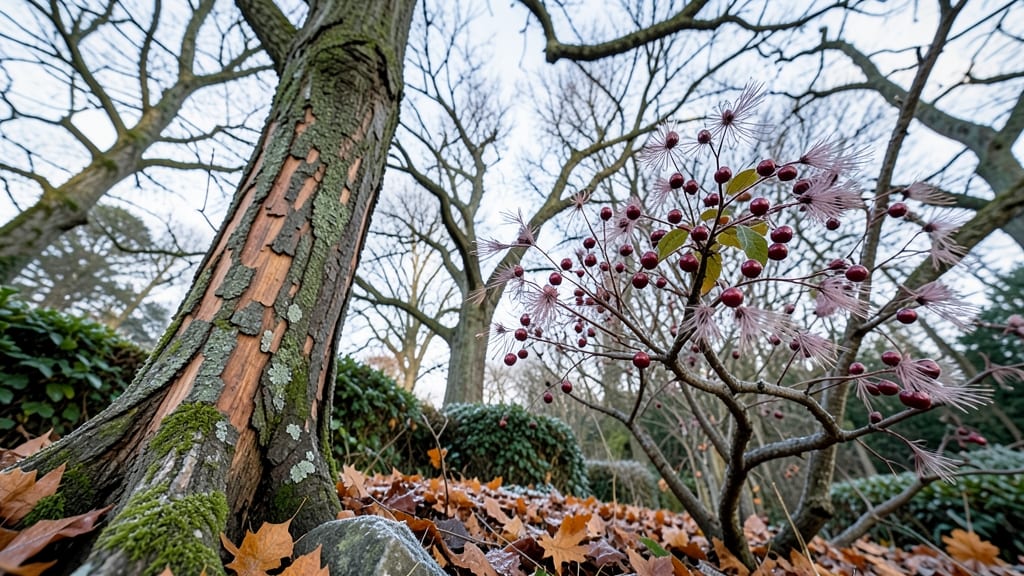
Autumn’s fiery hues don’t have to fade with the first frost. These 10 flower bed ideas blend hardy perennials, seasonal blooms, and foliage to create stunning displays that thrive through late fall—and even into winter—while requiring minimal maintenance.
Sunny Mums and Ornamental Kale Combo
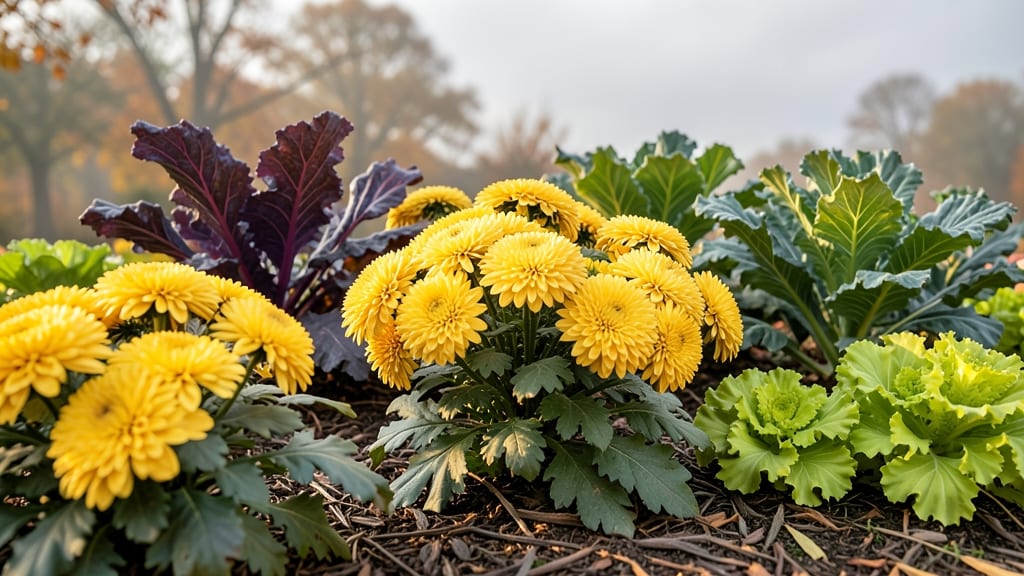
Want a front yard that pops with autumn color without the fuss of deadheading? This sunny mums and ornamental kale combo delivers bold, long-lasting curb appeal with almost no upkeep. The vibrant blooms of chrysanthemums (mums) pair perfectly with the deep purple or lime-green fronds of kale, creating a striking contrast that lasts well into winter.
Plant your chrysanthemums in full sun (6+ hours daily) and choose ornamental kale varieties like ‘Red Russian’ or ‘Winterbor’ for frost-resistant foliage. The mums will bloom from September through October, while the kale stays crisp and colorful even after the first frost. This duo thrives in well-draining soil and needs minimal watering once established—ideal for busy gardeners or beginners.
Perfect for urban front yards or small spaces, this low-maintenance trio requires zero deadheading and adds texture and height to any bed. Plus, it’s a pollinator magnet, keeping bees and butterflies visiting well into fall. 🌻
Shade-Loving Heuchera and Asters Mix
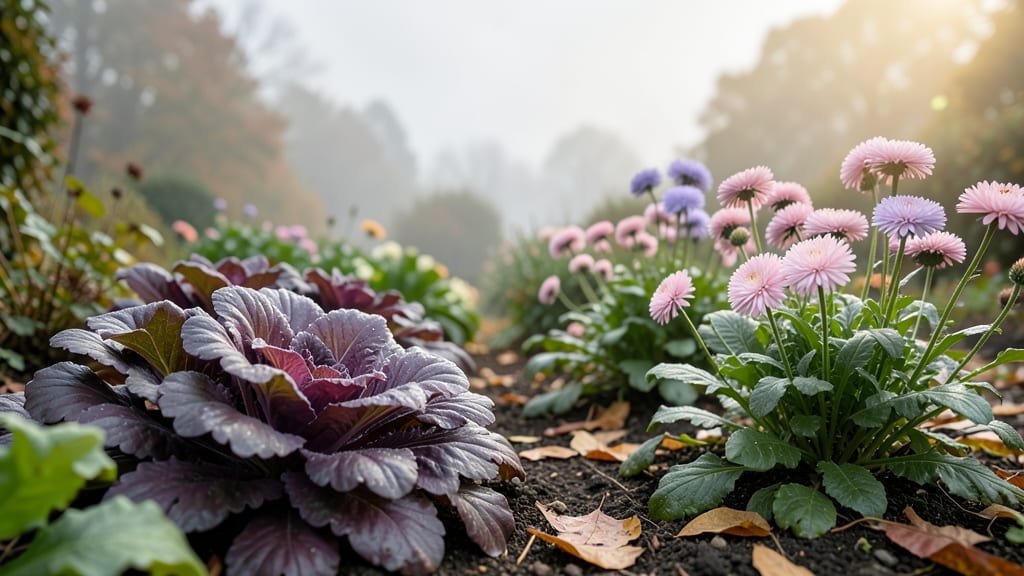
Forget struggling with sun-starved beds—heuchera and asters transform north-facing spaces into lush, autumnal retreats. This dynamic duo thrives where most plants wilt, offering velvety foliage in deep purples, silvers, and emeralds that contrast beautifully with late-season aster blooms in soft pinks, lavenders, and whites.
Start with heuchera varieties like ‘Palace Purple’ or ‘Lime Rickey’ for year-round color, then tuck in New England asters (Symphyotrichum novae-angliae) for blooms from September through frost. Both plants demand minimal care—water only when soil feels dry, and fertilize once in early spring. Mulch with shredded leaves to protect roots during winter’s chill.
This combo is ideal for urban gardeners with shady patios or woodland-edge beds, delivering sophisticated texture and color without the upkeep of sun-loving annuals. 🌿
Russian Sage and Sedum Border
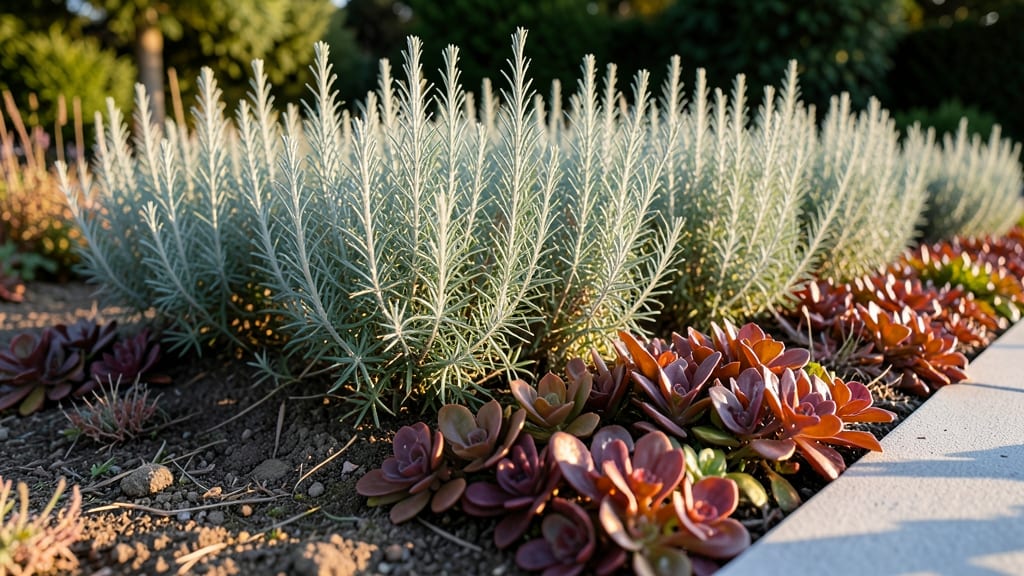
Tired of watering flower beds that wilt by October? A Russian sage and sedum border delivers year-round interest with almost no effort—just plant, water occasionally, and watch the magic unfold. This drought-resistant duo thrives in full sun to partial shade, making it perfect for modern, low-water landscapes.
The silver-blue spikes of Russian sage (Perovskia atriplicifolia) contrast beautifully with sedum’s deep pink or burgundy blooms, creating a striking visual that lasts from summer through frost. Both plants attract pollinators like bees and butterflies, while their succulent nature means they’re nearly indestructible. For best results, space plants 18-24 inches apart in well-draining soil and prune sage back in early spring.
This border is ideal for urban gardeners, busy professionals, or anyone craving a modern, pollinator-friendly design that requires minimal maintenance. Once established, it thrives on rainwater alone, making it a sustainable choice for any climate. 🌿
Frost-Proof Dahlia Varieties with Foliage Accents
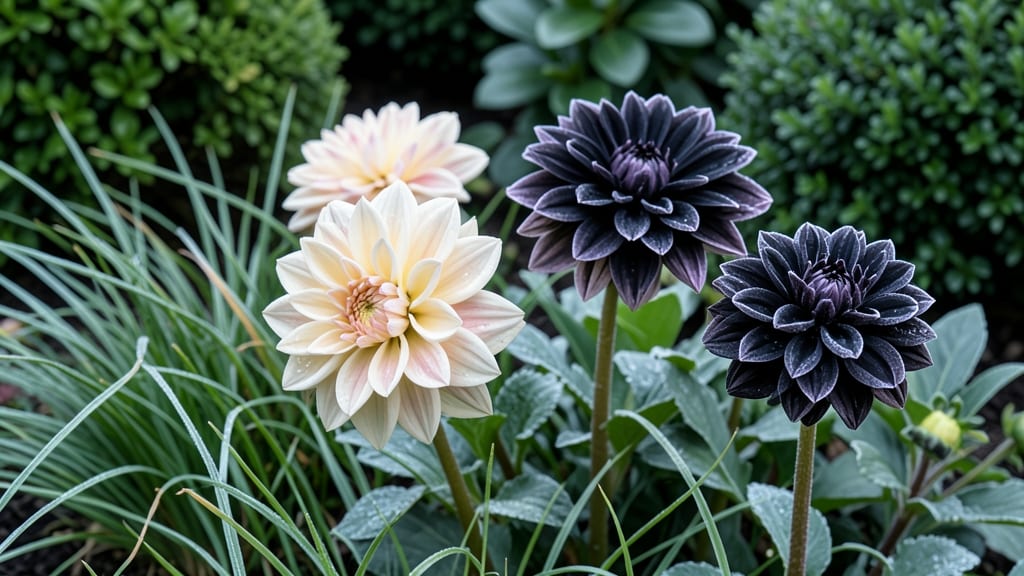
Skip the early frost panic—dahlias can bloom well into December with the right varieties and companions. The secret? Pairing ‘Café au Lait’ or ‘Black Nougat’ with evergreen grasses or boxwood creates a dramatic, low-fuss display that resists cold better than traditional dahlias.
These frost-proof varieties thrive in full sun to partial shade and require minimal deadheading, saving you time while extending your garden’s seasonal interest. Plant them in clusters with boxwood hedges or miscanthus grasses to create striking vertical accents that stay vibrant even as temperatures drop.
Perfect for gardeners who want bold autumn color without the upkeep of annuals, these dahlias bring drama to beds, borders, or containers. 🌻
Japanese Anemone and Fern Undergrowth
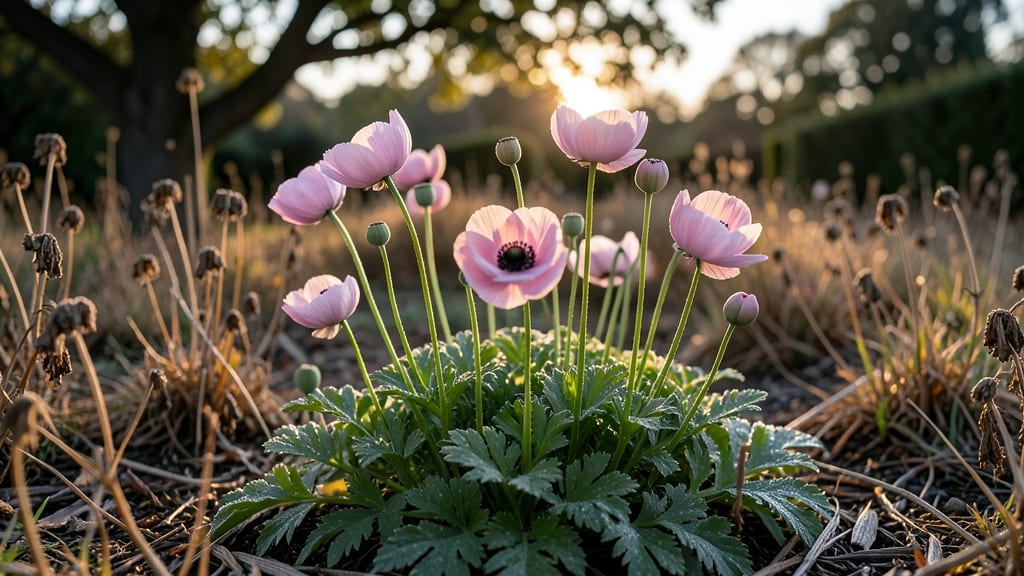
When summer annuals start to wilt and most gardens lose their luster, Japanese anemones step in like a late-season superhero. These delicate pink blooms thrive in partial shade, making them perfect for shady corners where other plants struggle—while their September-to-October bloom keeps your garden vibrant long after most flowers have faded.
Pair them with ferns (like Ostrich Fern or Maidenhair Fern) for a lush, woodland-inspired understory that stays green even as temperatures drop. Plant Japanese anemones in clusters of 3-5 for a natural look, and mulch with shredded bark to protect roots in winter. This combo requires minimal care—just water occasionally and deadhead spent blooms to encourage more flowers.
This design is ideal for gardeners who love low-maintenance, high-impact beds that feel like a secret forest retreat. It’s also a great way to extend your garden’s season without the fuss of annuals. 🌷
Evergreen Boxwood with Winterberry Holly
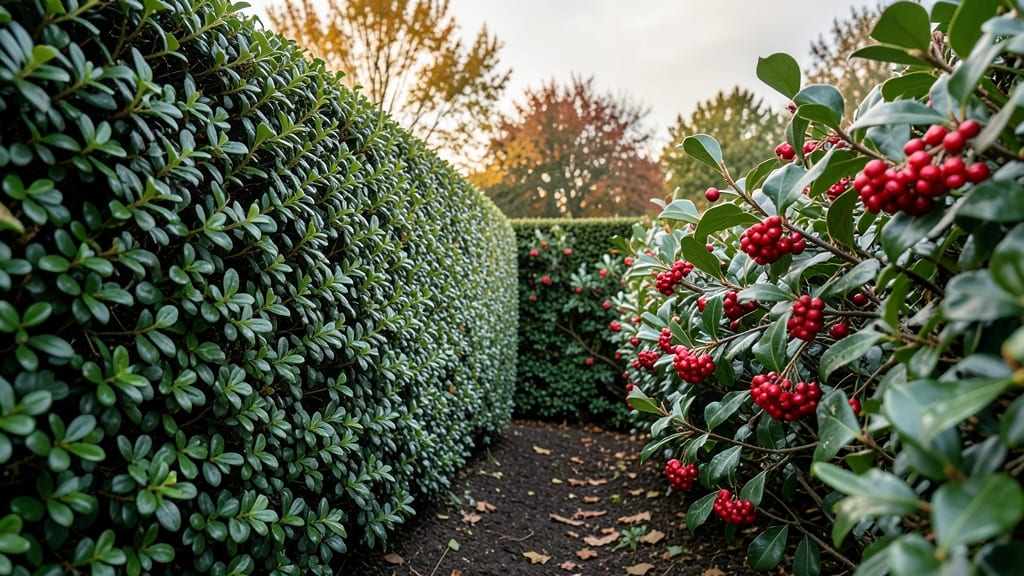
Tired of replacing annuals every spring? A boxwood hedge paired with winterberry holly creates a year-round living sculpture that never needs seasonal swaps. This duo delivers structure, texture, and color from spring through winter—with zero extra work after establishment.
Start with boxwood’s dense, glossy foliage as the foundation, pruned into neat mounds or hedges. In late summer, plant winterberry holly (Ilex verticillata) nearby—its bright red berries will appear in fall and persist through snow. Both thrive in full sun to partial shade and tolerate most soil types. For maximum impact, space winterberry holly 3-4 feet apart along the boxwood’s edge.
This combination is perfect for gardeners who want low-maintenance elegance—ideal for formal borders, foundation plantings, or even container arrangements. The berries provide winter interest for birds while the boxwood keeps its shape year-round. ✨
Black-Eyed Susan and Coneflower Pollinator Patch
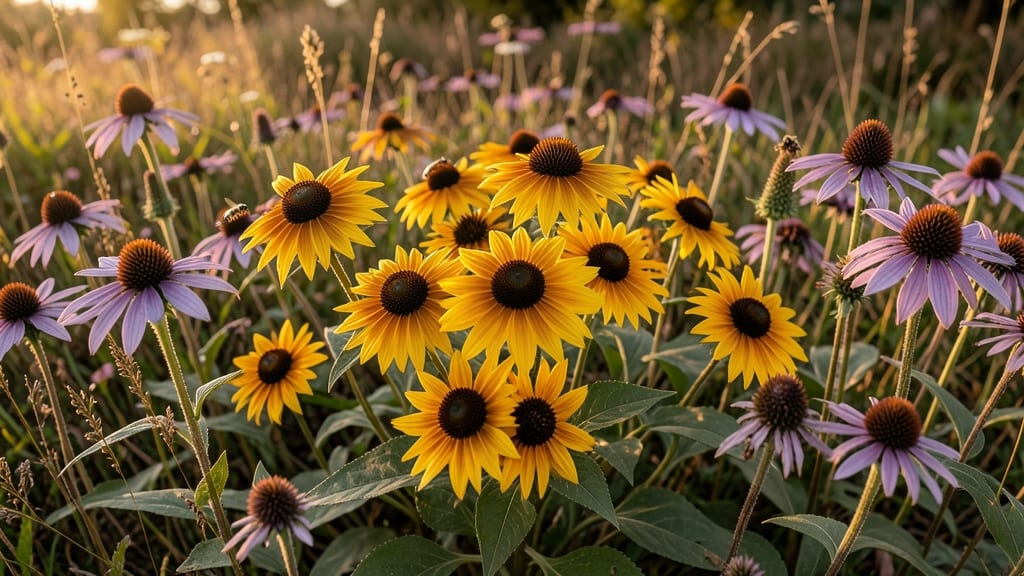
Skip the high-maintenance annuals this fall—black-eyed Susans (Rudbeckia hirta) and purple coneflowers (Echinacea purpurea) deliver pollinator power with zero fuss. These native plants bloom from midsummer straight through frost, turning your garden into a buzzing, monarch-friendly oasis that still looks intentional.
Plant them in clusters for maximum impact: black-eyed Susans add golden cheer in full sun, while coneflowers provide vertical drama with their spiky purple blooms. Both thrive in average garden soil and self-seed prolifically, so you’ll wake up to fresh volunteers next spring. Deadhead spent blooms in late fall to keep the bed tidy without sacrificing next year’s color.
This combo is perfect for gardeners who want wildflower beauty without the mess—ideal for borders, meadow-style gardens, or even containers. Plus, you’ll be rewarded with a year-round pollinator buffet that keeps bees and butterflies visiting long after other flowers fade. 🌻
Copper Beech and Hellebore Underplanting
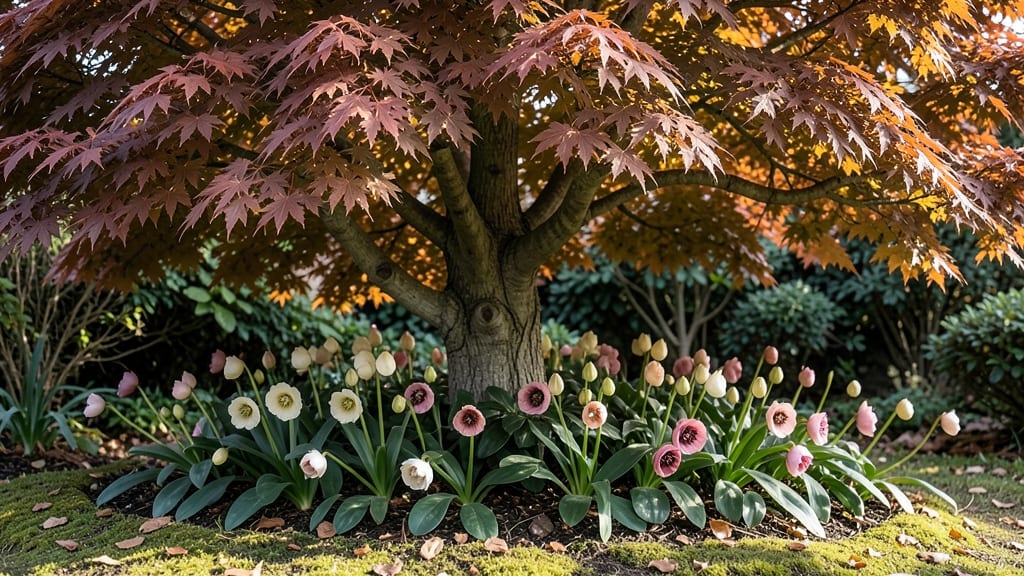
Bring year-round drama to your shady garden with a copper beech tree underplanted with hellebores—a pairing that turns dull autumn shade into a living masterpiece. While most plants struggle in low-light conditions, this duo thrives where sun-loving annuals fail, offering vibrant copper foliage in fall and delicate winter blooms when everything else is dormant.
Plant hellebores (like the classic Helleborus niger) at the base of your beech tree, spacing them 12-18 inches apart to create a lush, evergreen carpet. These shade-tolerant perennials bloom from late winter to early spring, providing early-season color before spring bulbs even emerge. The beech’s dramatic fall foliage contrasts beautifully with hellebore’s nodding flowers, extending your garden’s seasonality well past frost. Mulch with wood chips to retain moisture and suppress weeds.
This combination is perfect for gardeners with woodland gardens or north-facing beds where traditional autumn bloomers like mums and asters refuse to grow. The hellebores’ disease resistance and beech’s low-maintenance nature make this a set-it-and-forget-it solution for year-round interest. 💚
Dwarf Crested Iris and Coral Bells
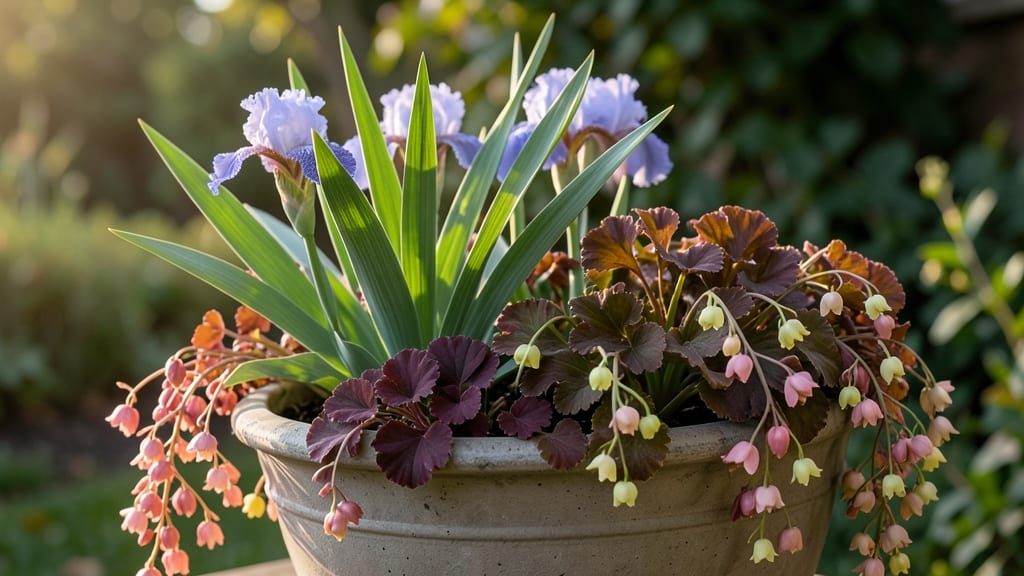
If you’re working with limited space but want a year-round showstopper, dwarf crested iris and coral bells are your secret weapon. Their contrasting textures—iris’s bold, sword-like foliage and coral bells’ soft, trailing blooms—create a cottage-garden charm that thrives in containers or tight borders.
Both perennials handle light frost and prefer partial shade, making them perfect for patios, windowsills, or small garden edges. Plant them together in well-draining soil, water moderately, and watch their delicate pink blooms cascade over the iris’s upright form from late spring through summer, with foliage staying attractive well into autumn.
Urban gardeners and balcony growers will love how these plants stay compact** (under 12 inches tall) while delivering maximum visual impact. Pair them with moss or small stones for a polished, low-maintenance look. 💚
Smoke Bush and Viburnum Berries

When you crave a garden that stays stunning even after the leaves fall, smoke bush (Cotinus) and viburnum berries deliver year-round drama with almost no effort. Their layered textures—peeling smoke bush bark and vibrant viburnum berries—create a winter wonderland that needs no seasonal swaps.
Plant smoke bush (like ‘Royal Purple’ or ‘Grace’) as the backdrop for its striking foliage and exfoliating bark, then tuck viburnum (such as Viburnum bodnantense or Viburnum opulus) nearby for late-season berries that persist through frost. Both thrive in full sun to partial shade and tolerate dry soil once established—ideal for low-maintenance gardeners.
This duo is perfect for urban yards, small spaces, or mixed borders where you want structure without annual replanting. Once established, it’s a set-it-and-forget-it solution that keeps your garden looking intentional all year. ✨