
Tools
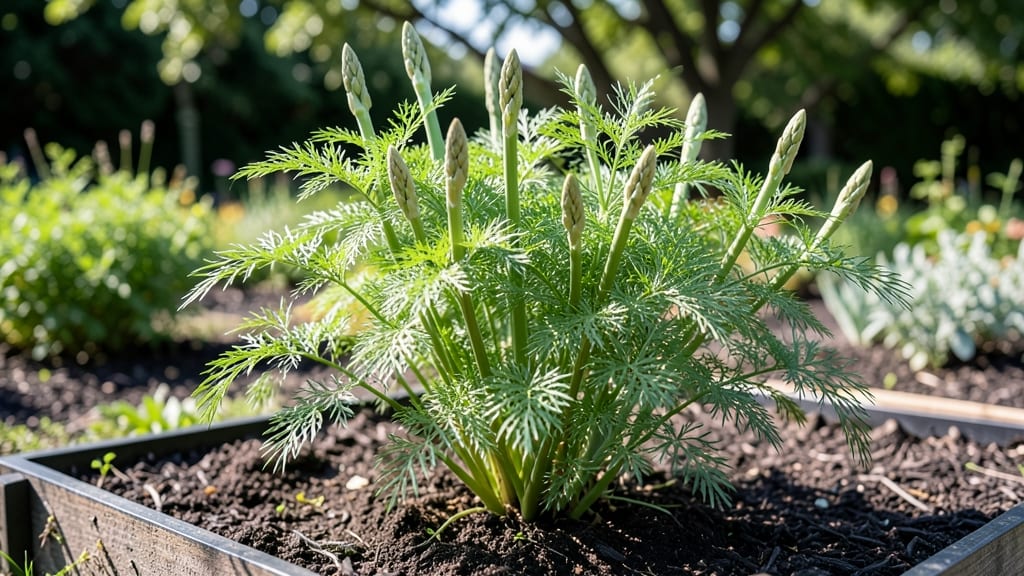
My asparagus raised bed garden transformed from a muddy corner to a year-round harvest machine—and it all starts with the right design. 🌱 Asparagus thrives in deep, well-drained soil, and raised beds give you complete control over that environment while saving your back from stooping over rows.
The secret isn’t just the bed—it’s the vertical growth hack: plant crowns 12 inches apart in trenches, then mound soil around them to encourage upward spears.
I use a 4x8-foot bed (3 feet deep) packed with compost-rich soil, and within 3 years, the spears outpace anything I’ve grown in-ground. You’ll harvest thick, tender spears for decades with minimal effort—just water consistently and mulch heavily.
The bed stays productive even in heavy clay soil, and companion plants like thyme and chives keep pests at bay while adding flavor to your harvest. Perfect for small spaces, urban gardens, or anyone tired of waiting years for spears.
Here’s how to set it up right the first time—no more digging through compacted soil or watching spears bolt before you can enjoy them.
📚 In This Guide
- What you need
- Instructions
- Tips and common mistakes
- Wrapping up and next steps
What you need
- ● Raised bed frame: Untreated wood (cedar or redwood preferred), 4’ x 8’ x 12” deep (or larger for long-term growth). Pro tip: 💡 Avoid pressure-treated wood—chemicals can harm roots!
- ● Garden soil: 2–3 cubic yards of high-quality, well-draining soil mix (amend with compost or aged manure for fertility).
- ● Asparagus crowns: 1-year-old, disease-free crowns (10–15 per bed, spaced 12–18” apart).
- ● Organic mulch: Straw or wood chips (2–3 inches) to retain moisture and suppress weeds.
- ● Tools: Shovel & trowel
- ● Garden gloves
- ● Measuring tape
- ● Pruners (for cutting spears)
- ● Drip irrigation system (for consistent watering)
- ● Row cover (to protect young plants from pests)
- ● Soil tester (to check pH—ideal range: 6.5–7.5)
- ● Compost tea or fertilizer (for nutrient boosts)
Step-by-step guide to building a thriving asparagus raised bed
Here’s how to create a vertical asparagus garden that delivers fresh shoots for years—no digging, no fuss.
🪴 Step 1: Build the Raised Bed Frame
Construct a 4-foot by 8-foot frame using cedar or redwood lumber (rot-resistant) that’s 10-12 inches deep. Asparagus roots need deep, loose soil to establish, and the wood keeps weeds at bay. I use 2x6 boards for the sides and 2x4 stakes at the corners for stability. Pre-drill holes to assemble without splitting the wood.
Line the bottom with landscape fabric to block weeds but allow drainage. This prevents invasive roots from competing with your asparagus. Secure the fabric with staples, leaving a 2-inch overhang on all sides. The bed should sit 6-12 inches above ground level—this elevation improves drainage and warms the soil faster in spring.
🌱 Step 2: Prepare the Soil for Long-Term Growth
Fill the bed with a custom mix of 50% topsoil, 30% compost, and 20% coarse sand or perlite. Asparagus roots thrive in loose, fertile soil with good drainage. I blend the materials in a wheelbarrow first to ensure even distribution. Avoid garden soil—it’s too dense and may compact over time.
Add a slow-release fertilizer (like 10-10-10) at a rate of 1 pound per 100 square feet and mix it into the top 6 inches of soil. This provides nutrients without burning the crowns. Water the bed thoroughly after filling to settle the soil. You’ll see the mix compact slightly—this is normal and ensures roots have firm support.
☀️ Step 3: Plant Crowns Correctly for Vertical Growth
Purchase 1-year-old asparagus crowns (not seeds—crowns establish faster). Space them 12-18 inches apart in rows 18 inches apart to allow room for ferns to spread. Dig a 6-inch deep trench, place the crowns with roots spread out, and cover with 2 inches of soil. This encourages roots to grow downward immediately.
After planting, water deeply until the soil is saturated 6 inches down. Mulch with 3 inches of straw to retain moisture and suppress weeds. The first year, do not harvest—let the plants grow ferns to build energy for future shoots. You’ll see bright green fronds by mid-summer, signaling healthy root development.
💧 Step 4: Maintain Soil and Water for Year-Round Harvests
Water the bed 1-2 inches per week, more in dry spells. Asparagus roots run deep, so deep watering encourages them to grow downward. I use a soaker hose buried 2 inches below the soil surface to deliver moisture evenly without wetting the ferns. Keep the soil consistently moist but not soggy—asparagus hates waterlogged roots.
In early spring, add 2 inches of compost around the base of the plants. This replenishes nutrients without disturbing the roots. By year three, you can harvest 3-4 weeks per season—just cut shoots 4-6 inches tall at ground level. Never take more than one-third of the shoots in a season to keep the bed productive.
✂️ Step 5: Prune and Protect for Long-Term Productivity
After harvest, let the ferns grow until late fall when they turn yellow. Trim them back to 2 inches above the ground and mulch heavily for winter. This protects the crowns from freezing and keeps the soil warm. In early spring, remove old mulch and add fresh straw to prevent weeds.
Watch for asparagus beetles—handpick adults and drop them in soapy water. The larvae chew on roots, so treat the soil with neem oil if you spot damage. With proper care, your raised bed will produce harvests for 15+ years. The vertical growth hack? Let the ferns stand tall—they shade out weeds and feed the soil naturally.
Tips & tricks for perfect asparagus raised bed gardens
Took me a while to figure these out, so here are the game-changers for your vertical asparagus garden.
Frame Stability: When building your 4-foot by 8-foot frame, use 2x6 boards for sides and 2x4 stakes at corners—not just nails. I learned this the hard way after seeing a bed collapse under heavy soil. The stakes distribute weight better and prevent sagging over time. Pre-drilling holes also prevents wood splitting when assembling.
Soil Mix Secrets: The 50% topsoil, 30% compost, 20% sand/perlite ratio is non-negotiable for drainage, but here's the trick: blend everything in a wheelbarrow first. This ensures even distribution—especially important for the 20% sand/perlite that prevents compaction. If you skip this step, you'll end up with pockets of dense soil where roots can't penetrate.
Crown Planting Technique: When planting 1-year-old asparagus crowns, dig that 6-inch deep trench and spread roots horizontally. Then cover with just 2 inches of soil—this encourages roots to grow downward immediately. Too much soil at first will smother the crowns. After planting, water until 6 inches deep—this saturates the soil where roots will establish.
Watering Wisdom: The 1-2 inches per week guideline works, but here's how to do it right: use a soaker hose buried 2 inches deep to deliver water directly to roots. This prevents surface evaporation and keeps ferns dry, which reduces fungal diseases. In dry spells, increase to 2-3 inches weekly—asparagus roots run deep, so they need consistent moisture at that level.
Pro Tips for Asparagus Raised Bed Garden
- Took me a while to figure these out, so here are the game-changers for your vertical asparagus garden.
- Frame Stability: When building your 4-foot by 8-foot frame, use 2x6 boards for sides and 2x4 stakes at corners—not just nails.
- Soil Mix Secrets: The 50% topsoil, 30% compost, 20% sand/perlite ratio is non-negotiable for drainage, but here's the trick: blend everything in a wheelbarrow first.
Frequently asked questions
Got questions about growing asparagus in raised beds? You’re not alone! Here are answers to the most common queries to help you grow lush, productive asparagus with confidence.
How deep should my raised bed be for asparagus?
Asparagus roots grow deep—aim for a 12 to 18-inch depth in your raised bed. Deeper beds (up to 24 inches) give roots more room to thrive, especially in sandy or rocky soil. Shallow beds may stunt growth, so prioritize depth if space allows!
When can I start harvesting asparagus spears?
Wait 2 to 3 years before harvesting to let roots establish. Once established, harvest in early spring (when spears are 6–8 inches tall) for 6–8 weeks. Avoid over-harvesting—leave some spears to grow into ferns for next year’s crop!
Can I grow asparagus in a small raised bed?
Yes! Asparagus thrives in 3-foot-wide beds with rows spaced 12–18 inches apart. Use vertical trellises or espalier techniques to maximize space in tight gardens. Dwarf varieties like ‘Baby Girl’ are perfect for compact raised beds.
What pests should I watch for in raised bed asparagus?
Common pests include asparagus beetles (handpick eggs/larvae) and aphids (spray with soapy water). For fungal issues like rust, improve airflow and avoid overhead watering. Mulch with straw to deter weeds and retain moisture!
How do I revive a struggling asparagus patch?
If spears are sparse or yellowing, check soil pH (6.5–7.5 is ideal). Amend with compost and ensure 6+ hours of sun. Overcrowding? Thin plants to 6–12 inches apart. Fertilize lightly in spring with balanced 10-10-10 or compost.
Wrapping up and next steps
Growing asparagus in a raised bed is a rewarding and space-efficient way to enjoy fresh, homegrown harvests for years to come! 🌱 With patience and the right setup, you’ll soon be savoring tender spears straight from your garden.
Ready to take the next step? Start by sketching your raised bed layout, gathering your supplies, and planting those crowns—your future feasts are just a season away!
Pro tip: Mark your planting spots with stakes to avoid disturbing the roots during future harvests!