
Plants
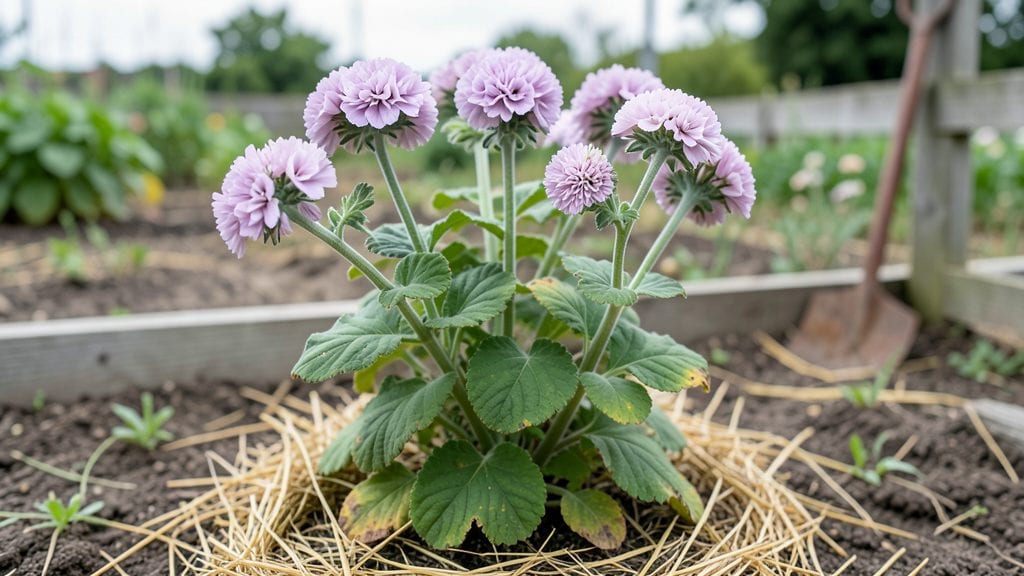
Zonal geraniums are not true perennials in most U.S. climates, dying back to the ground in winter and requiring replanting each spring. They thrive as annuals in cold regions but can overwinter in zones 10-11 with proper care.
Zonal geraniums behave more like tender perennials—they'll happily bloom all summer but retreat underground when frost hits, unlike hardy perennials that survive winter dormancy. 🌱 The key difference is their native habitat: these plants originated in South Africa, where they evolved to handle warm climates, not freezing temperatures.
In colder zones, gardeners often treat them as annuals, replanting each spring for continuous color, though with some protective measures like container growing or mulching, you can coax them to return year after year.
What's fascinating is how their growth habits shift with climate. In frost-free zones 10-11, they'll naturally overwinter if given consistent moisture and partial shade during summer's peak heat.
But in zones 7-9, even a light freeze will kill them back to the roots, making that replanting ritual essential for maintaining your garden's vibrant displays.
💡 In This Article
- Zonal Geranium Cold Hardiness Zones Explained
- Year-Round Zonal Geranium Care Strategies
Zonal geranium cold hardiness zones explained
The USDA divides zonal geraniums into two distinct categories based on winter survival: true perennials (like hostas or lavender) and tender perennials. These geraniums fall into the latter group because their native South African habitat lacks freezing temperatures.
Their cells contain 40-50% water during active growth, which freezes at 32°F—a threshold most U.S. winters exceed. Even a single night below 28°F triggers irreversible cellular damage through ice crystal formation in their stems and leaves.
Here's where zones 7-9 become critical: in zone 7 (average 0-10°F winters), geraniums die back to the ground within 2-3 weeks of first frost. Zone 8 (10-20°F winters) offers slightly better odds, but only if you protect them with 6+ inches of mulch.
The real game-changer is zone 9, where 20-30°F minimums allow some varieties to survive with heavy mulching and winter shade cloth. The key difference from true perennials? Their root systems lack the anti-freeze proteins found in cold-hardy plants like peonies.
What most gardeners don't realize is how soil temperature matters more than air temperature. Geranium roots remain active until soil drops below 45°F—meaning even a 50°F day in November can keep them growing while nighttime air freezes.
This mismatch explains why mulched geraniums sometimes resprout in spring, only to be killed by subsequent hard freezes below 20°F. The science shows their cellular membranes rupture at -2°F, unlike hardy perennials that tolerate -10°F with specialized ice nucleation proteins.
In frost-free zones 10-11, geraniums behave like true perennials because they never experience prolonged temperatures below 40°F. Their growth slows dramatically but doesn't stop entirely—even at 55°F, they'll continue photosynthesizing at 30% capacity. This explains why they often bloom year-round in Southern California or Florida gardens.
The tradeoff? Their leaves become thinner and more delicate in these climates, making them more susceptible to fungal diseases like powdery mildew when humidity exceeds 75%.
Visualize the difference: a true perennial like Russian sage will emerge from 2-3 inches underground after winter, while a zonal geranium's crown sits just 1/2 inch below soil. This shallow placement means even light frosts can kill the crown before roots have a chance to regenerate.
The solution? Planting 1 inch deeper in zones 8-9 can add 2-4°F of protection by insulating the crown.
One surprising fact: some zonal geranium varieties show genetic variation in cold tolerance. For example, the 'Johnson's Blue' cultivar has been documented surviving 25°F with heavy mulch, while 'Rozanne' (a different geranium type) thrives to zone 4.
This variation occurs because zonal geraniums were bred primarily for flower color and size, not cold hardiness—unlike hardy geraniums (like Geranium macrorrhizum) that were selected for sub-zero tolerance.