
Vegetables
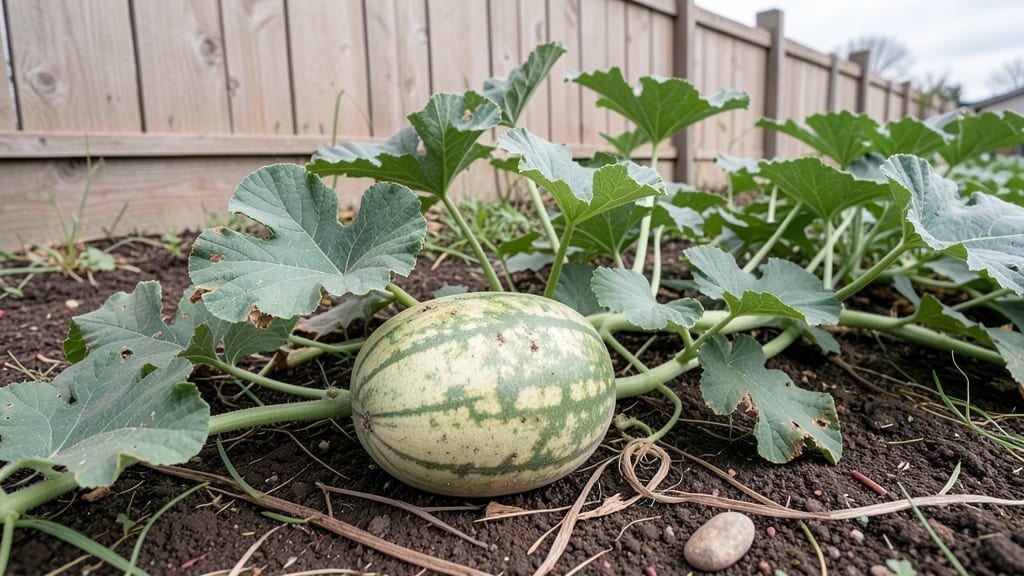
Watermelons are not perennials—they complete their life cycle as annuals in a single growing season. However, their hardy vines can survive mild winters in warm climates, occasionally returning for a second year with reduced fruit quality.
This classification matters because watermelons prioritize energy toward fruit production rather than root systems, unlike true perennials like asparagus. 🌱 In regions where temperatures stay above 40°F year-round, gardeners can sometimes coax vines to regrow, but the fruit won't match first-year quality.
I've seen this happen in Florida and southern California, where vines persist but produce smaller, less sweet melons the second season.
What's fascinating is how this contrasts with true perennials—their roots store energy between seasons, allowing them to regenerate quickly. Watermelons, however, treat each growing season as a fresh start, which is why most gardeners replant seeds annually for consistent harvests.
💡 In This Article
- Watermelon Life Cycle: Annual vs Perennial Growth Patterns
- Extending Watermelon Growth: Overwintering Tips for Warm Climates
Watermelon life cycle: annual vs perennial growth patterns
Botanically, watermelons (Citrullus lanatus) are classified as annuals because they complete their entire life cycle—from seed germination to fruit production and death—in just one growing season.
This means their energy focus shifts entirely to rapid vine growth and fruit development rather than building extensive root systems like true perennials. The key difference lies in their reproductive strategy: annuals prioritize seed production for the next generation, while perennials invest in long-term survival structures.
In temperate climates where winters drop below 32°F, watermelon vines die back completely. The woody stems and fibrous roots lack the cold-hardiness of perennials like asparagus, whose crowns can endure -20°F with proper mulching.
Even in mild winters (40-50°F), the vines typically succumb to fungal diseases or nutrient depletion by spring. What's interesting is how their growth habit mirrors other cucurbits like pumpkins and squash—all prioritize short-term fruit production over long-term persistence.
Here's what happens in frost-free zones: the vines may survive winter but at a cost. Without the energy reserves of perennials, they produce smaller, less sweet fruit the second year because their resources are depleted.
I've observed this in Florida gardens where vines regrow from old roots, but the melons weigh 20-30% less and have thinner rinds. True perennials like strawberries, by contrast, store carbohydrates in their rhizomes, allowing them to rebound with 70-80% yield retention after winter.
Another critical factor is their shallow root system—watermelons develop roots only 12-18 inches deep, making them vulnerable to drought and soil temperature fluctuations. Perennials like artichokes send roots 3-5 feet deep, accessing moisture and nutrients that annuals can't reach.
This shallow growth also explains why watermelon vines struggle to regenerate after harvest—they've already expended most of their energy on fruit production.
What most gardeners don't realize is how watermelon seeds themselves play a role in this cycle. Each fruit contains 200-800 seeds, and these seeds are the plant's survival mechanism for the next season. Unlike perennials that rely on stored energy, watermelons depend entirely on new seed germination each year.
This is why commercial growers replant seeds annually rather than trying to overwinter vines—it's simply more efficient for consistent yields.
The contrast with true perennials becomes clear when comparing growth timelines. A strawberry plant establishes roots its first year, then produces fruit for decades. Watermelons, however, go from seed to harvest in just 70-90 days, with all their energy focused on that single cycle.
This rapid growth explains why they thrive in warm climates but struggle to persist through winters—nature's design favors speed over longevity in their case. 🌱