
Vegetables
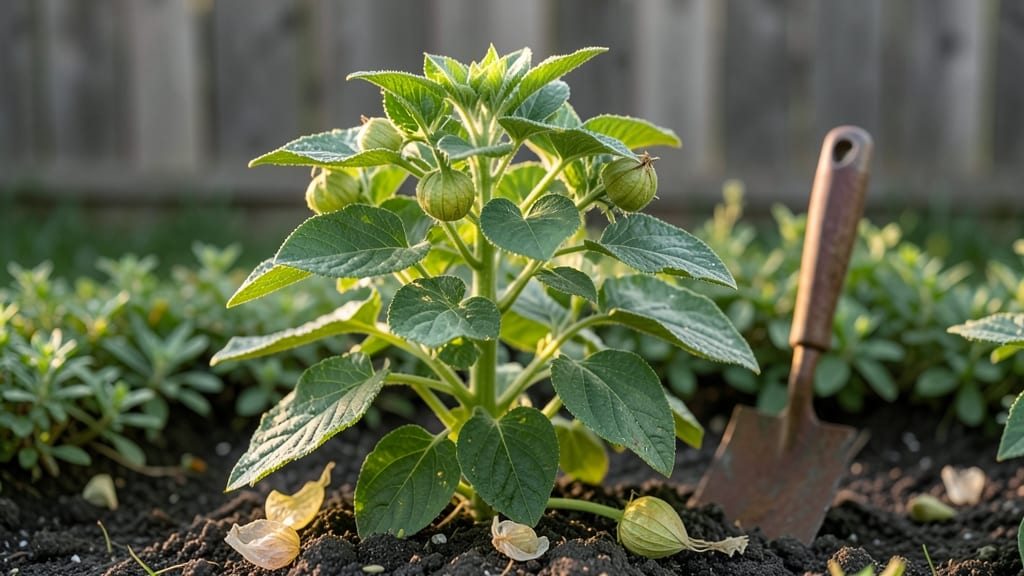
Tomatillos are not perennial in most climates, meaning they complete their life cycle in one season before dying back to the ground. While they grow as annuals in temperate zones, some varieties may regrow in frost-free areas with consistent moisture and care.
This behavior stems from their tropical origins—tomatillos are sensitive to cold temperatures, which trigger their natural dormancy cycle. 🌱 In zones without frost, you might see them persist for multiple years, but they rarely survive harsh winters.
The key to extending their life lies in protecting them from temperature drops and maintaining steady soil moisture, which mimics their native growing conditions.
What's interesting is how their growth habit compares to other nightshade family members. Unlike potatoes or tomatoes, which can sometimes regenerate from tubers or roots, tomatillos rely on their above-ground growth to produce fruit before they decline.
This makes them particularly vulnerable to seasonal changes, which is why gardeners in cooler climates often treat them as annuals regardless of their botanical potential.
💡 In This Article
- Climate and Growing Conditions for Tomatillo Longevity
- Extending Tomatillo Harvests Through Gardening Hacks
Climate and growing conditions for tomatillo longevity
Tomatillos behave as annuals in most climates because they're native to Mexico's highland regions where temperatures rarely drop below 50°F (10°C). Their growth cycle is tightly linked to warmth - below 45°F (7°C), their metabolic processes slow dramatically, triggering dormancy.
The plant's woody stem and leaves contain compounds that become dormant when exposed to prolonged cold, similar to how many tropical plants respond to seasonal changes. This cold sensitivity explains why they rarely survive northern winters where frost is common.
The ideal temperature range for tomatillo regrowth sits between 65-85°F (18-29°C) during the day and 55-65°F (13-18°C) at night. In frost-free zones like USDA hardiness zones 9-11, tomatillos can persist for multiple years because they don't experience the temperature shocks that trigger annual behavior.
What's fascinating is how their root systems behave - they develop a shallow but extensive network that can regenerate from the crown if protected from cold snaps. However, any exposure to 32°F (0°C) or below will kill the plant back to the ground.
Here's what most gardeners don't realize: tomatillos actually have a built-in survival mechanism when conditions are right. In their native habitat, they'll produce a second flush of fruit if temperatures remain warm and moisture is consistent after their initial harvest.
This explains why you sometimes see them persist for two seasons in mild climates - they're not truly perennial in the sense of returning year after year like asparagus, but they can complete multiple life cycles if conditions remain favorable.
The key factor is maintaining consistent soil moisture (1-1.5 inches per week) during their dormant period.
What makes tomatillos different from other nightshades is their growth habit. Unlike tomatoes which can produce fruit over extended periods, tomatillos follow a more predictable cycle: they focus all their energy on producing fruit in their first season before declining.
This is why you'll see them bolt to flower within 60-90 days of planting - their biological clock is set to maximize reproduction before potential cold stress. In frost-free areas, this cycle can repeat if the plant isn't stressed by other factors like drought or poor soil drainage.
Consider this comparison: while potatoes can survive winter in the ground through their tubers, and tomatoes might regrow from their roots in warm climates, tomatillos have no such storage organs. Their survival depends entirely on protecting the crown and maintaining root zone temperatures above 40°F (4°C).
This is why gardeners in zone 8 and below typically treat them as annuals - the risk of winter kill outweighs the potential benefits of attempting to overwinter them. The plant's entire energy budget is allocated to fruit production rather than survival structures.
What's particularly interesting is how their flowering behavior changes with temperature. Tomatillos produce more flowers when night temperatures stay above 60°F (16°C), which directly correlates with their fruit production.
This temperature sensitivity is why you'll get better yields in warm climates - the plant isn't diverting energy to cold protection but can focus entirely on reproduction. In cooler areas, the plant essentially "chooses" to complete its life cycle quickly rather than risking damage from cold snaps.