
Shrubs
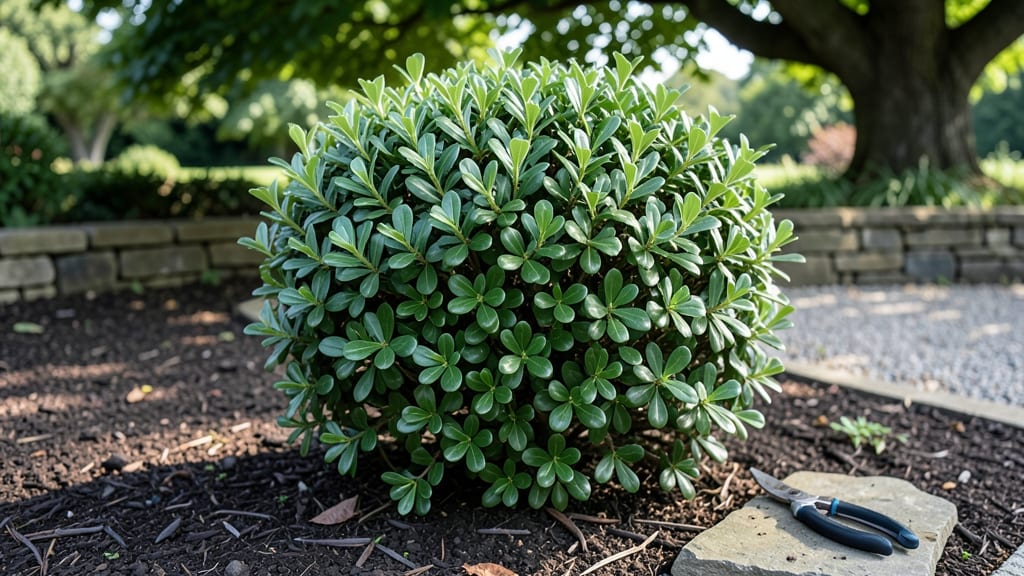
Yes, shrubs are perennials, meaning they live for multiple years, regrowing from the same root system annually. Most thrive for 5-10 years, though some, like boxwoods, can live decades with proper care. Evergreen shrubs retain foliage year-round, while deciduous types shed leaves seasonally.
Shrubs qualify as perennials because their woody stems and dormant buds allow them to survive harsh seasons and regrow each year. 🌿 Unlike annuals that complete their life cycle in one season, shrubs develop deep root systems that store nutrients, which fuels their regrowth.
Their lifespan varies widely—fast-growing species like butterfly bush may live 5-7 years, while slow-maturing varieties such as serviceberry can thrive for 30+ years with ideal conditions.
What truly sets perennial shrubs apart is their adaptability. Evergreens like rhododendrons maintain their leaves year-round, while deciduous types such as viburnum enter seasonal dormancy. This resilience makes them ideal for landscaping, as they establish strong root systems that resist drought and pests over time.
Proper pruning and soil care can extend their lifespan even further.
💡 In This Article
- Perennial Shrub Lifespan and Growth Cycles
- Choosing Long-Lived Shrubs for Your Landscape
Perennial shrub lifespan and growth cycles
The biological foundation of shrubs as perennials lies in their woody stems and dormant buds. Unlike herbaceous plants that die back to the ground each winter, shrubs develop persistent stems that store carbohydrates and water.
These stems contain specialized cells called vascular cambium, which produces new growth rings annually—visible as concentric circles when cut. This woody structure acts like a plant bank account, storing energy to fuel regrowth each spring. 🌱
Shrub lifespans vary dramatically based on growth rates. Fast-growing species like butterfly bush (Buddleia) may reach maturity in just 3-5 years but typically live only 5-7 years without renewal. In contrast, slow-maturing shrubs such as serviceberry (Amelanchier) take 10+ years to establish but can live 30-50 years or longer.
The key difference? Fast growers allocate energy to rapid height/width expansion, while slow growers invest in root and stem development for longevity. Climate plays a critical role—shrubs in temperate zones often live longer than those in tropical regions, where pests and diseases accelerate decline.
Seasonal regrowth mechanics are fascinating. In late winter or early spring, shrubs break dormancy when day length increases and temperatures rise above 40°F. Dormant buds contain meristematic cells that rapidly divide when conditions are favorable.
Evergreens like boxwood (Buxus) maintain active growth year-round in mild climates, while deciduous types like hydrangea enter full dormancy, shedding leaves to conserve water. This seasonal adaptation explains why evergreens often outlive deciduous shrubs in harsh winters—though they require more consistent moisture to prevent needle drop.
Climate zones dramatically impact shrub longevity. In USDA Zone 5 (average -20°F winters), shrubs like winterberry holly (Ilex verticillata) thrive for 20+ years with proper winter protection. However, in Zone 9 (mild winters), the same species may struggle with fungal diseases from persistent humidity.
Soil quality matters too—shrubs in nutrient-rich, well-draining soil can live 2-3 times longer than those in compacted or waterlogged conditions. The root-to-shoot ratio is critical: healthy shrubs maintain 70% of their biomass below ground, which supports their perennial nature.
Here's what most gardeners overlook: pruning practices can either extend or shorten a shrub's lifespan. Aggressive summer pruning stimulates weak, disease-prone growth, while late-winter pruning (just before bud break) promotes strong regrowth.
For example, lilacs (Syringa) pruned correctly can live 50+ years, but improper pruning reduces this to 15-20 years. The science is clear—proper pruning maintains the shrub's energy balance between above-ground growth and below-ground storage. 💫
Consider these lifespan comparisons for common shrubs:
- Fast growers: Butterfly bush (5-7 years), Russian olive (10-15 years) – prioritize quick screening but require replacement
- Moderate: Hydrangea (15-25 years), viburnum (20-30 years) – balance growth and longevity
- Long-lived: Boxwood (50-100+ years), serviceberry (30-50 years) – invest in low-maintenance, high-impact landscaping