
Plants
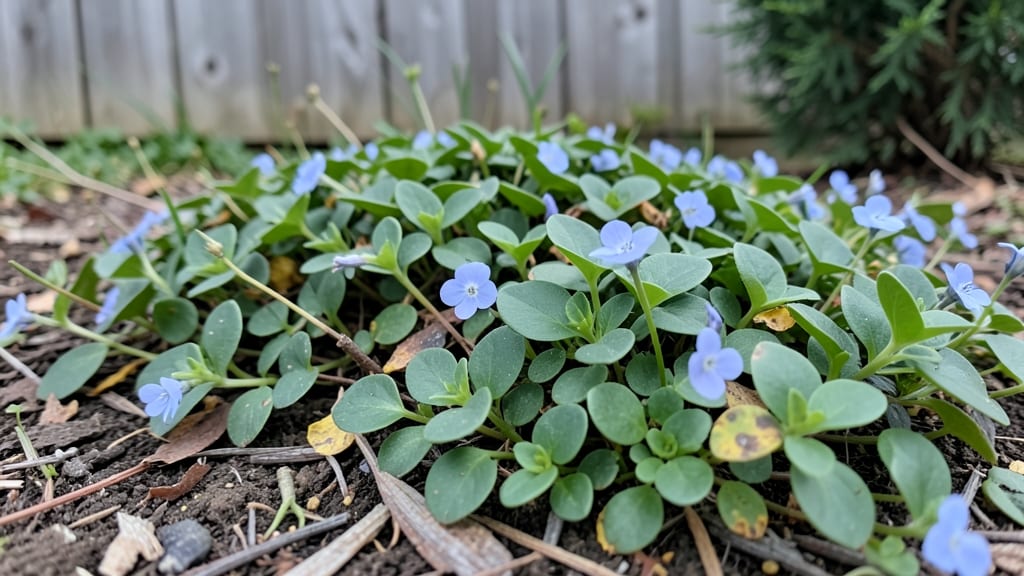
Periwinkles are perennials in USDA zones 4-9, thriving year-round with evergreen foliage, though they may die back in colder winters before regrowing from roots in spring. Their lifespan extends 5-10 years with proper care, though some varieties act as short-lived perennials or self-seed aggressively.
Periwinkles belong to the Apocynaceae family and are classified as hardy perennials, meaning they return each year from their root systems rather than dying off completely. 🌿 The key to their survival in colder climates lies in their deep, fibrous roots, which store energy during winter dormancy.
Some gardeners mistakenly treat them as annuals because they may appear dormant or even browned in harsh winters, but with proper soil drainage and mulching, they'll bounce back come spring.
What sets periwinkles apart is their adaptability—while most thrive in zones 4-9, certain varieties like Vinca minor can handle zone 3 winters with extra protection. Meanwhile, heat-loving types such as Vinca major prefer zones 7-11, where they spread aggressively through self-seeding.
This dual nature makes them a favorite for both woodland gardens and sunny borders.
💡 In This Article
- Periwinkle Plant Lifespan and Growth Cycle
- Best Periwinkle Varieties for Cold and Warm Climates
Periwinkle plant lifespan and growth cycle
Here's what's actually happening beneath the soil: Periwinkles (genus Vinca) develop a robust, woody root system that stores carbohydrates and nutrients during dormancy. This fibrous network can extend 12-18 inches deep, allowing them to survive winter dieback in colder zones.
The key mechanism is their rhizomatous growth, where horizontal roots spread outward while vertical roots anchor deeply—similar to how mint propagates but with more structural integrity.
The two primary species behave differently: Vinca minor (common periwinkle) forms a dense, creeping mat with roots that regenerate quickly, while Vinca major develops thicker, more vertical roots suited for heat retention.
In zone 4, where winters drop to -30°F, these roots can remain viable even when above-ground foliage browns completely. The misconception about annual growth stems from gardeners mistaking winter dormancy for death—especially when plants aren't properly mulched with 3-4 inches of organic matter.
What most people don't realize is how temperature triggers their dormancy cycle. Periwinkles enter dormancy when nighttime temperatures consistently stay below 45°F for 2-3 weeks, a process called vernalization. During this time, their metabolic rate drops by 70%, conserving energy in root starches.
This explains why they often appear "dead" in late winter—it's just their survival strategy. The science behind this involves abscisic acid hormones that signal the plant to shed leaves while maintaining root viability.
Cold hardiness varies dramatically between species: Vinca minor tolerates zone 3 with protection, while Vinca major struggles below zone 7.
The difference lies in their native habitats—Vinca minor evolved in European woodlands with cold winters, while Vinca major originates from Mediterranean climates where heat stress is the bigger concern.
This explains why some gardeners in zone 5 treat Vinca major as annuals: it simply can't recover from freeze-thaw cycles like its hardier cousin.
Consider these growth patterns when planning your garden: Periwinkles typically reach 6-12 inches in height but spread 12-24 inches annually through stolons (horizontal stems). Their lifespan averages 5-10 years, but some Vinca minor plants in ideal conditions have lived 20+ years.
The secret to longevity is maintaining well-draining soil (they hate soggy roots) and avoiding heavy pruning that removes too much foliage before winter. 🌱
One fascinating adaptation is their ability to self-seed aggressively in mild climates. While this makes them seem like annuals, the parent plant's roots remain dormant in the soil, ready to regenerate.
In zone 8-9, where winters rarely drop below 20°F, periwinkles often produce 100+ seeds per plant, creating dense ground covers that persist for decades. This dual strategy—both root survival and seed propagation—explains why they're classified as perennials despite their sometimes annual-like behavior.