
Plants
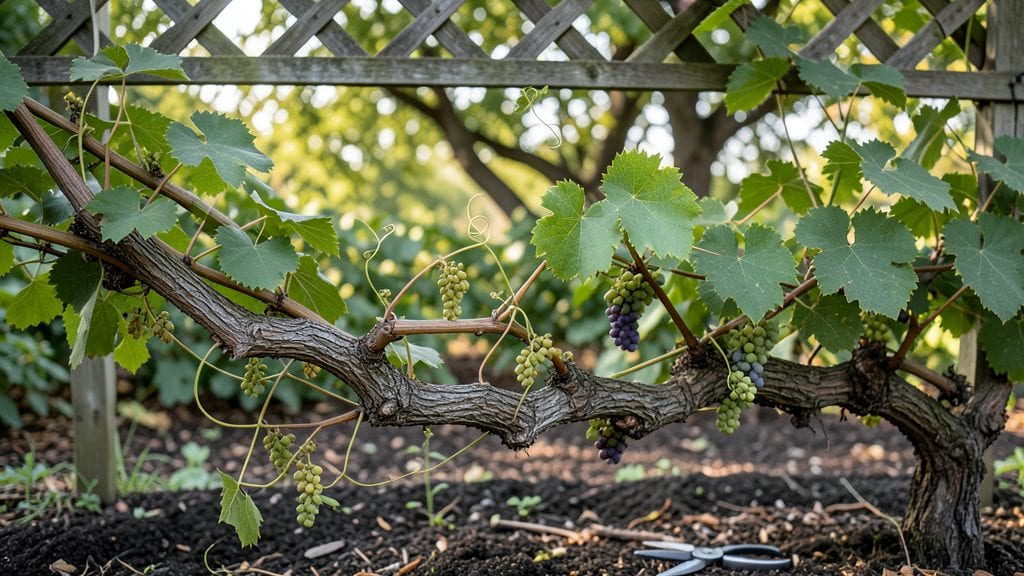
Grapes are perennial plants that thrive for decades with the right care, producing fruit every year through strategic winter pruning. Their hardy woody vines regenerate annually, but improper maintenance can dramatically cut their lifespan or fruit production.
This perennial nature comes from grapevines' deep root systems and woody stems that survive winter dormancy. 🌱 Unlike annual plants, they don't need replanting each year—once established, they'll keep bearing fruit for 20+ years with proper pruning.
The key is understanding each variety's cold hardiness (some handle -10°F while others need milder winters) and matching pruning timing to your climate zone. I've seen old vines in Mediterranean regions still producing after 50 years!
What makes grapevines unique is their ability to balance growth and fruit production through seasonal cycles. During winter dormancy, they store energy in their roots and woody canes, then burst back to life in spring.
This natural rhythm explains why proper winter pruning—removing dead wood while maintaining the vine's structure—is absolutely critical. Without it, you risk overcrowding, disease, or reduced fruit quality.
💡 In This Article
- How Long Do Grapevines Live and Why They Thrive as Perennials
- Best Pruning Practices for Revitalizing Grapevines Each Season
How long do grapevines live and why they thrive as perennials
The secret to grapevines' longevity lies in their specialized woody structure called lignified canes. These thick, fibrous stems contain vascular bundles that transport water and nutrients year-round, even during dormancy.
Unlike annual plants that complete their life cycle in a single season, grapevines store carbohydrates in their roots and canes during winter, fueling regrowth when temperatures rise above 50°F. This biological adaptation allows them to persist for decades, with some historic vines exceeding 100 years in ideal conditions.
Dormancy is the key mechanism that enables this perennial behavior. When temperatures drop below 40°F, grapevines enter a metabolic slowdown, halting growth but preserving their structural integrity.
Their root systems, which can extend 6-10 feet deep, act as biological batteries, storing energy reserves that sustain the vine through winter. Vitis vinifera varieties (like Cabernet Sauvignon) typically handle -10°F to -15°F, while native American species like Concord grapes (Vitis labrusca) can survive -25°F or colder due to thicker bark and deeper root systems.
The comparison to annual plants reveals why grapevines are such efficient survivors. Annuals like tomatoes or corn allocate all their energy to rapid growth and reproduction within one season, then die. Grapevines, however, distribute energy between vegetative growth (new canes) and reproductive growth (fruit production) each year.
This dual strategy explains why well-maintained vines can produce 50-100 pounds of fruit annually while still maintaining their structural framework for decades.
Environmental factors dramatically influence grapevine lifespan. Well-drained soil with pH 6.0-7.0 prevents root rot, while consistent moisture (but not waterlogging) supports vigorous growth. In contrast, poor soil drainage or extreme temperature fluctuations can shorten a vine's life by 30-50%.
The Mediterranean climate—where grapevines originated—provides ideal conditions: hot, dry summers for fruit ripening and mild winters that avoid extreme cold stress. In colder climates, growers often use mulching or winter protection to extend vine longevity.
What most people don't realize is how grapevine genetics affect their lifespan. Vitis vinifera varieties (common wine grapes) are generally less cold-hardy than hybrid varieties, which inherit cold resistance from wild Vitis species.
For example, a Chardonnay vine might live 30-40 years in zone 7, while a Concord vine could thrive for 50+ years in zone 4. This genetic variation explains why some vineyards in Europe have centuries-old vines, while newer plantings in colder regions require more intensive care.
Here's what actually happens at the cellular level during dormancy: grapevine cells produce antifreeze proteins that prevent ice crystal formation in their tissues. These proteins, combined with high concentrations of sugars and glycerol in the sap, allow the vine to survive temperatures that would kill most plants.
When spring arrives, these same compounds trigger rapid regrowth as the vine's metabolic rate accelerates with rising temperatures.
The bottom line? Grapevines thrive as perennials because they've evolved to balance growth, storage, and survival across seasons. Their ability to regenerate annually while maintaining structural integrity makes them one of nature's most resilient fruit-bearing plants. With proper care, a single vine can feed generations—literally. 🌟