
Plants
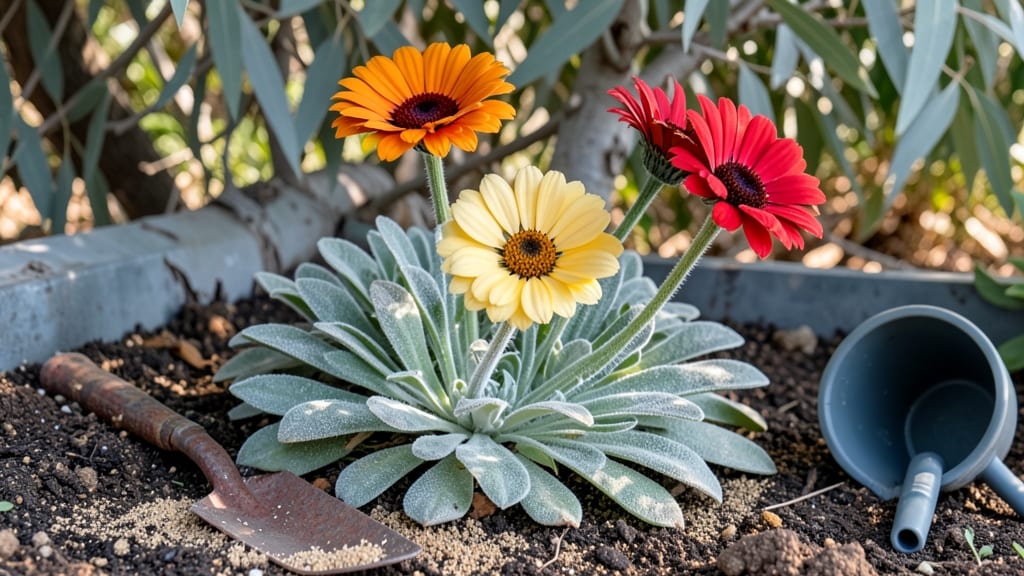
Gazania plants are not perennials in most USDA zones but thrive as annuals, dying back in frost. In warmer climates like zones 10-11, they may survive winters with minimal care, though they often regrow from roots rather than full hardiness.
Gazanias are often mistaken for hardy perennials because of their vibrant blooms and easy care, but their true nature depends heavily on your climate. 🌱 In cooler regions (zones 1-9), they behave like tender annuals, completing their life cycle in one season before frost kills them back to the ground.
Even in milder zones 10-11, they don't achieve true perennial status—they rely on root systems to persist rather than surviving full winters above ground.
What sets gazanias apart is their ability to rebloom prolifically when conditions are right, which is why gardeners in warmer areas often treat them as perennials.
The key difference lies in their response to cold: while they may regrow from tubers in spring, they lack the cold-hardiness of true perennials like lavender or salvia. This makes them perfect for container gardening in colder climates, where you can bring them indoors before frost.
💡 In This Article
- Gazania Hardiness by USDA Zone
- Overwintering Gazania in Cold Climates
Gazania hardiness by USDA zone
Gazania plants exhibit dramatic hardiness differences across USDA zones because their survival hinges on temperature thresholds. In zones 9 and below (20°F average minimum), gazanias behave as tender annuals—their above-ground growth dies when temperatures dip below 32°F, triggering complete dormancy.
The key mechanism is cellular damage: frost causes ice crystals to form in plant tissues, rupturing cell walls and killing foliage. Even a light frost (28°F) will blacken leaves, though roots may survive if protected.
Zones 10-11 (30-40°F average minimums) offer the best conditions for gazania persistence. Here, plants enter a semi-dormant state during cooler months, with roots remaining viable underground. The magic number is 40°F: sustained temperatures below this for more than 2-3 weeks will kill back even established plants.
What's fascinating is how gazanias adapt—roots produce new shoots when temperatures rise again, creating the illusion of perennial behavior. This regrowth isn't true hardiness but rather a survival strategy similar to many desert-adapted plants.
The science behind this involves gazanias' native habitat in South Africa's arid regions, where they evolved to handle seasonal drought and heat. Their thick, fleshy roots store moisture and nutrients, allowing them to rebound quickly when conditions improve.
In colder zones, this adaptive mechanism fails because the ground freezes solid, preventing root survival. Most gardeners in zones 8 and below treat gazanias as annuals precisely because they can't reliably overwinter outdoors—even with mulch protection.
Here's what happens at different temperature thresholds:
- Above 45°F: Active growth continues year-round in zones 10-11
- 32-45°F: Growth slows, plants enter dormancy but roots stay alive
- 28-32°F: Above-ground foliage dies back completely
- Below 28°F: Root systems begin to suffer frost damage
What most gardeners don't realize is that gazanias' "perennial" behavior in warm climates comes with trade-offs. While they may regrow each spring, their root systems weaken over time without proper care.
In zone 10 gardens, I've seen gazanias that survive 5+ years only when divided every 2-3 years to refresh root stock. This makes them more like "short-lived perennials" than true hardy plants.
The bottom line is that gazanias push the boundaries of what we consider perennial behavior. Their ability to regrow from roots gives them a false reputation for hardiness, especially in container gardens where roots can be protected.
But when winter temperatures drop below 30°F for extended periods, even the hardiest gazania varieties will fail to survive outdoors. 💫