
Shrubs
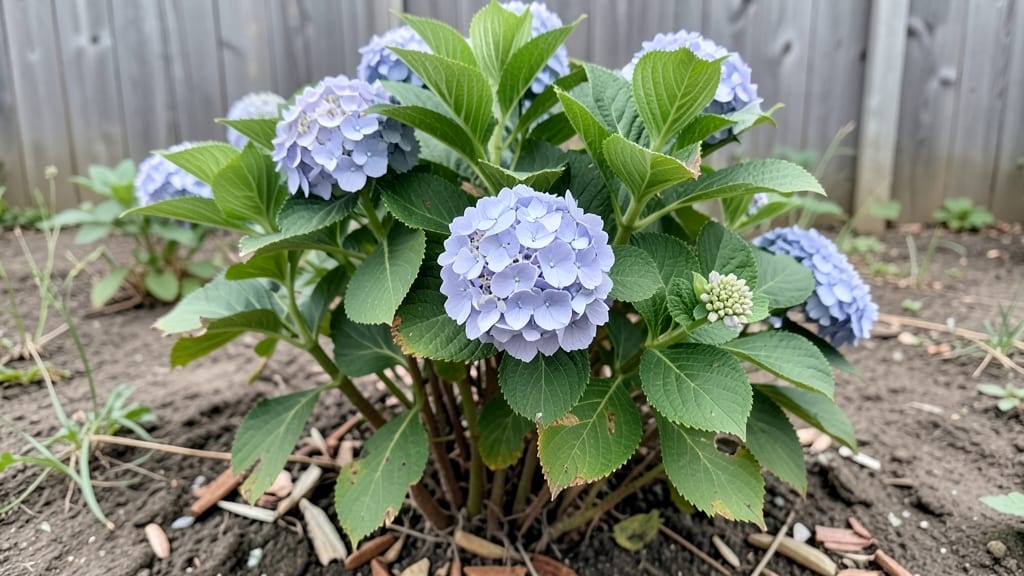
Endless Summer hydrangeas are perennials in USDA zones 6-9, thriving year-round with proper care. In colder zones, they die back to roots but regrow annually. Their hardiness depends on winter protection and soil conditions.
These hydrangeas earn their perennial reputation by developing deep root systems that survive winter dormancy, even when above-ground growth freezes back. 🌿 The key difference from annuals is their ability to regenerate from roots each spring—though they need consistent moisture and well-draining soil to perform at their best.
In colder regions, gardeners often treat them like semi-perennials, using thick mulch and protective wraps to shield the crown from extreme cold snaps below 10°F.
What sets Endless Summer apart is its remarkable reblooming habit, which continues through summer and sometimes into fall. Unlike other hydrangeas that bloom only on old wood, this variety produces flowers on both new and old growth, giving it that "endless" reputation.
However, proper winter care—like adding 4-6 inches of mulch after the ground freezes—can mean the difference between a weak spring regrowth and a lush, vibrant plant ready to perform again.
💡 In This Article
- Endless Summer Hydrangea Cold Hardiness Explained
- Extending Endless Summer Hydrangea Lifespan in Cold Climates
Endless Summer hydrangea cold hardiness explained
The secret behind Endless Summer hydrangeas' perennial nature lies in their ability to enter deep dormancy. During winter, these plants shed their foliage and stems, but their roots remain alive underground, protected by a natural insulating layer of soil.
This root system can withstand temperatures down to -10°F, which is why they thrive in zones 6-9. The key mechanism is their ability to convert stored carbohydrates into antifreeze-like compounds that prevent cell damage from freezing.
What makes these hydrangeas unique compared to other varieties is their hybrid vigor. While most hydrangeas bloom only on old wood (last year's growth), Endless Summer produces flowers on both new and old growth, giving it that "endless" blooming reputation.
However, this dual-flowering habit requires more energy, making proper winter care even more critical. In zone 5 and colder, gardeners often report that without protection, the crown (where roots meet stems) can suffer damage from prolonged exposure to 0°F temperatures or colder.
The role of mulching can't be overstated—it's not just about insulation. A 4-6 inch layer of organic mulch (like shredded leaves or straw) acts like a thermal blanket, moderating soil temperature swings that can stress roots.
Studies show mulch can raise soil temperatures by 5-10°F during cold snaps, creating a more stable microclimate. For extra protection in zone 6, wrapping the base with burlap or using a frost blanket can add another 5°F of protection.
Here's where Endless Summer differs from its cousins like Bigleaf or Panicle hydrangeas: those varieties typically handle colder zones better. Bigleaf hydrangeas, for example, can survive down to -20°F with proper care, while Panicle types often thrive in zone 3.
The trade-off is that Endless Summer's extended blooming season makes its winter vulnerabilities more noticeable—if the crown freezes, you might lose that year's new growth blooms entirely.
What most gardeners don't realize is how soil moisture affects winter survival. Roots need to be moist (but not soggy) during dormancy to maintain cellular integrity. In dry winters, roots can desiccate even if temperatures are above freezing.
That's why fall watering—until the ground freezes—is crucial. Aim for soil that's consistently moist to 12 inches deep before winter sets in.
For visual comparison, imagine this: A well-mulched Endless Summer in zone 6 looks like a cozy burrito wrapped in a blanket, while the same plant in zone 4 without protection resembles a half-frozen burrito left on the porch.
The difference in spring regrowth is dramatic—one emerges lush and ready to bloom, while the other struggles for weeks to recover.