
Plants
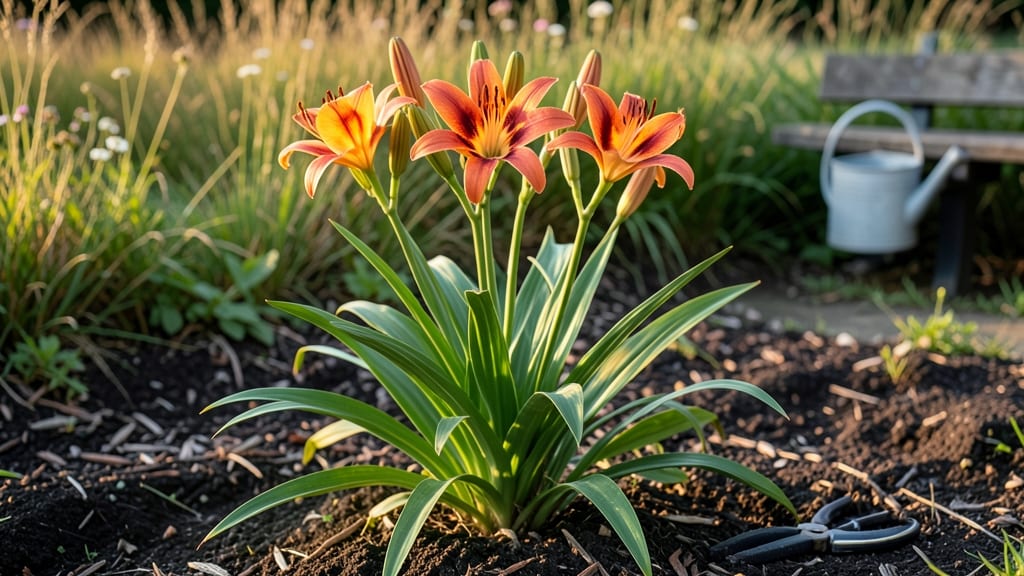
Yes, day lilies are perennials that thrive in USDA zones 4-9, regrowing from underground rhizomes each spring. Their hardy nature lets them survive winter dormancy, reblooming annually with minimal care once established in well-drained soil.
This hardy plant's secret lies in its underground rhizome system, which stores energy like a natural battery. 🌱 Once established, these roots can survive freezing temperatures down to -30°F and regenerate above-ground growth as soon as soil temperatures rise in spring.
The key to their perennial success is that winter dormancy actually strengthens them—think of it as nature's way of recharging the plant's energy reserves for another vibrant blooming season.
What makes day lilies particularly rewarding for gardeners is their ability to spread naturally through these rhizomes, creating lush clumps that multiply each year.
Unlike annuals that complete their life cycle in one season, perennials like day lilies build resilience over time, making them low-maintenance additions to any landscape once properly established.
Their adaptability to different soil types (as long as drainage is good) and minimal care requirements make them perfect for both experienced gardeners and beginners alike.
💡 In This Article
- Day Lily Rhizome Biology: How Perennials Survive Winter
- Planting and Caring for Day Lilies as Perennials
Day lily rhizome biology: how perennials survive winter
The day lily's survival strategy begins with its rhizome system—thick, horizontal underground stems that function like nature's energy storage units. These modified stems store carbohydrates, proteins, and water during dormancy, allowing the plant to endure harsh conditions.
Unlike annuals that complete their life cycle in one season, day lilies allocate resources underground, creating a reserve that fuels regrowth when conditions improve. This system is particularly effective because rhizomes can regenerate entire plants from just small fragments, making them incredibly resilient.
Here's what's actually happening during winter dormancy: when temperatures drop below 50°F, the plant's metabolic processes slow dramatically. The rhizomes enter a state of cold hardiness, where specialized proteins (like antifreeze proteins) prevent ice crystal formation in their cells.
This biological adaptation allows day lilies to survive temperatures as low as -30°F in their native range. The rhizome's thick, waxy outer layer also provides insulation, reducing water loss through evaporation—a critical factor in cold climates. 🌡️
The magic of regrowth begins when soil temperatures rise above 55°F in spring. This temperature triggers hormonal changes in the rhizomes, activating growth points that have been dormant all winter. The plant's stored energy powers the development of new shoots, leaves, and eventually flowers.
What's fascinating is that this process is temperature-dependent—day lilies won't break dormancy until the ground warms consistently, which explains why they often bloom later than spring bulbs that respond to light cues rather than soil temperature.
Day lilies' cold hardiness varies slightly by cultivar, but most commercial varieties can handle USDA zones 4-9 without protection. The northernmost varieties (like 'Stella de Oro') have developed thicker rhizomes and higher starch reserves for winter survival.
In contrast, southern varieties may have slightly thinner rhizomes but still perform well in mild winters. The key factor is consistent moisture during establishment—drought stress weakens rhizome development, making plants more vulnerable to winter damage.
What most gardeners don't realize is that day lilies actually benefit from winter's cold period. The freezing temperatures help break down complex carbohydrates in the rhizomes into simpler sugars, which are more easily metabolized when growth resumes.
This natural process is similar to how fruit trees require winter chilling hours to produce flowers—day lilies use cold exposure to "reset" their biological clocks for optimal spring performance. 💫
Consider this comparison: while annuals like marigolds complete their entire life cycle in one season, day lilies spend their first year building rhizome reserves. By year two, they establish a robust underground network that can support multiple flowering stems.
This gradual development explains why day lilies often produce their most spectacular blooms in their third or fourth year—when their rhizome systems are fully mature and energy-rich.