
Plants
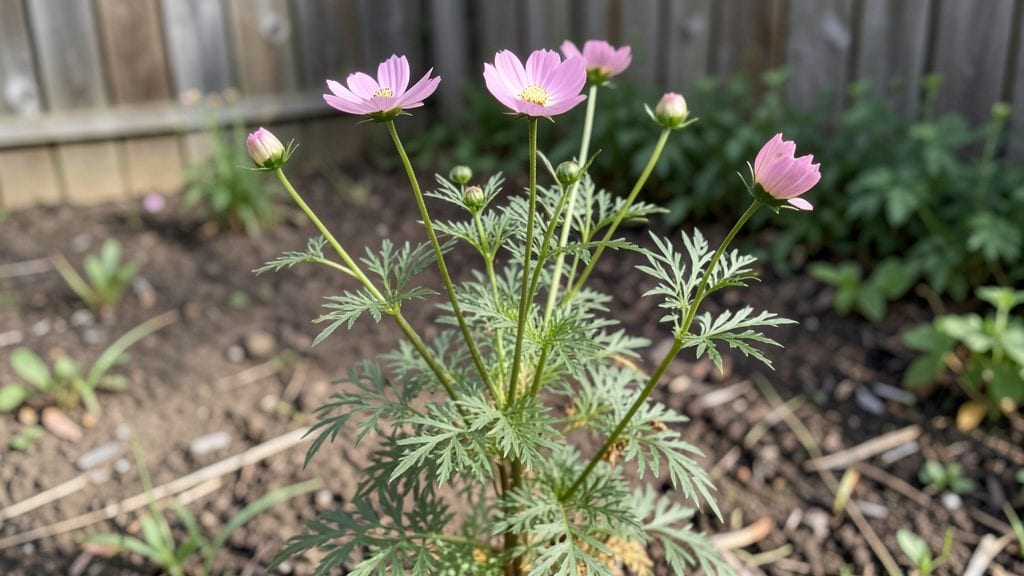
Cosmos plants are not perennial in most climates, dying back to the ground after frost but often self-seeding prolifically for annual returns. In warmer zones (8-11), some varieties may overwinter with proper mulching, though they rarely survive harsh winters.
Cosmos act like annuals because their tender stems and leaves can't tolerate freezing temperatures, but their deep taproots often survive underground. 🌱 The real magic happens when they self-sow—dropping seeds that sprout fresh plants the following spring, creating a natural renewal cycle.
In my garden, I've seen cosmos pop up year after year even when I didn't plant them, thanks to this clever adaptation. For gardeners in colder zones, this means you can enjoy their cheerful blooms without replanting every season.
In milder climates, the key to extending their lifespan lies in protecting the base of the plant. A thick layer of mulch (like straw or shredded leaves) insulates the roots from temperature swings, while cutting back dead foliage in late fall prevents disease buildup.
I've had success with cosmos returning in zone 9 by combining mulching with a light frost cloth during unexpected cold snaps—though even then, they're never as hardy as true perennials.
💡 In This Article
- Understanding Cosmos Plant Lifespan and Climate Adaptations
- Extending Cosmos Growth: Mulching and Overwintering Strategies
Understanding cosmos plant lifespan and climate adaptations
Cosmos plants behave like annuals because their above-ground growth is highly sensitive to frost. Their stems and foliage contain minimal protective compounds, making them vulnerable to temperatures below 28°F.
The real secret lies in their taproot system, which can extend 12-18 inches deep—allowing them to store nutrients and survive underground during cold periods. This root structure is their primary survival mechanism, similar to how carrots or beets persist through winter.
Their rapid growth cycle—typically 60-75 days from seed to bloom—means they complete their life cycle before most frost events in temperate zones. 🌱 What's fascinating is how their self-seeding strategy compensates for their non-perennial nature.
Each seed head contains 100-300 seeds that scatter naturally, creating dense stands of volunteers the following spring. This adaptation ensures genetic continuity even when parent plants die back.
In warmer climates (zones 8-11), the difference comes down to microclimate protection. While cosmos won't survive -5°F temperatures, they can persist through mild winters with proper insulation. The key factor is maintaining soil temperatures above 32°F—which is why mulching becomes critical.
Without protection, their roots can still freeze, but with a 4-6 inch mulch layer, they often regenerate from the crown.
What most gardeners don't realize is how their growth speed influences their seasonal behavior. Cosmos can grow 1-2 feet in just 4-6 weeks, outpacing many perennials. This rapid development means they prioritize reproduction over winter survival—a classic annual strategy.
The tradeoff is their delicate nature, but this also makes them incredibly responsive to spring conditions, often blooming within 8-10 weeks of germination.
Botanically, their classification as "tender perennials" reflects this intermediate state. While not true perennials, they share traits with both groups: the deep root systems of perennials and the fast life cycles of annuals.
This dual nature explains why they thrive in Mediterranean climates but struggle in continental zones with harsh winters. 💫 The solution often lies in mimicking their native conditions—warm days, cool nights, and minimal winter chill.
For gardeners in marginal zones (7-8), the best approach combines selective planting with season extension. Choosing late-blooming varieties like 'Bright Lights' or 'Sensation Mix' gives them more time to establish roots before frost.
Pair this with cold frames or row covers during early spring/fall to push their growing season by 2-3 weeks—often enough to tip the balance toward overwintering success.