
Plants
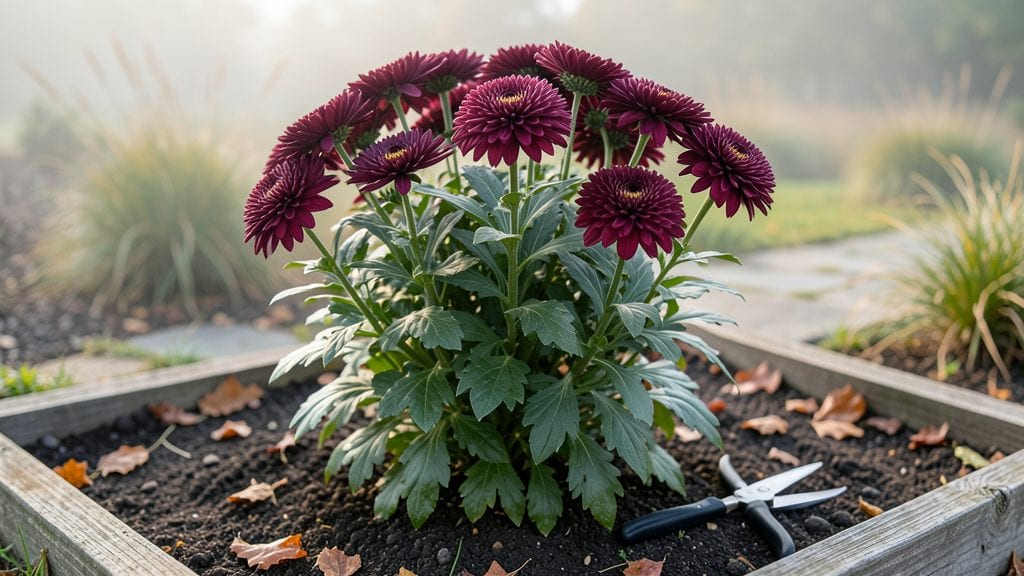
Chrysanthemums are perennial plants that thrive in USDA zones 5-9, returning year after year with proper care—but some varieties need winter protection to survive freezing temperatures. Their longevity depends on the specific type and how well you prepare them for cold weather.
Most chrysanthemums naturally return each season, but their resilience varies by type. 🌸 Hardy varieties like 'Hardy Ruby Mound' can withstand 10°F temperatures, while tender types need extra shielding.
The key to their survival lies in winter prep—mulching with 4-6 inches of straw or using containers for zone 4 gardens prevents root damage. I've seen gardeners extend blooming seasons by up to 3 years just by timing their fall pruning right.
What sets chrysanthemums apart is their ability to go dormant in winter, then burst back with vibrant blooms when temperatures rise. This makes them perfect for gardeners who want long-term color without annual replanting.
Just remember: the earlier you mulch before the first frost, the better their chances of surviving harsh winters.
💡 In This Article
- Chrysanthemum Cold Hardiness Zones Explained
- Overwintering Chrysanthemums: Step-by-Step Survival Guide
Chrysanthemum cold hardiness zones explained
Chrysanthemums exhibit remarkable adaptability across USDA zones 5 through 9, but their survival strategies differ dramatically between varieties. Hardy types like 'Hardy Ruby Mound' can endure -20°F temperatures by entering deep dormancy, while tender garden varieties may only tolerate down to 15°F without protection.
The key difference lies in their cellular structure—hardy cultivars produce more protective sugars and proteins in their stems that act like antifreeze, preventing ice crystal formation in their tissues.
Here's how temperature tolerance breaks down by zone: Zone 5 (-20°F to -10°F) requires the most robust varieties, while Zone 9 (20°F to 30°F) can support tender types that would perish in Zone 6.
The transition point occurs around 15°F)—below this, most chrysanthemums begin experiencing cold damage. What's fascinating is how their leaves turn brown and crispy during dormancy—this isn't death, but rather a protective mechanism where the plant redirects energy to its roots.
The science behind their dormancy involves a hormonal shift triggered by shorter daylight hours. As days grow shorter in fall, chrysanthemums produce more abscisic acid, which signals the plant to stop growing and enter a resting state.
This process is similar to how deciduous trees prepare for winter, but chrysanthemums take it further by completely shutting down above-ground growth. The roots remain active just below the frost line, maintaining minimal metabolic functions until spring.
What most gardeners don't realize is that even within hardy varieties, there's significant variation. For example, 'Bonnette' series can handle -15°F with proper mulching, while 'Daisy' types might only survive 10°F without protection. The difference comes down to their native origins—Japanese chrysanthemums generally have better cold tolerance than Chinese varieties.
This is why selecting the right cultivar for your specific zone can mean the difference between a plant that thrives for decades versus one that needs annual replanting.
Consider this practical comparison: A chrysanthemum in Zone 7 with 3 inches of mulch might survive a 10°F dip, while the same plant in Zone 5 without protection would suffer severe dieback.
The mulch doesn't just insulate—it actually modifies the soil temperature profile, creating a 5-10°F warmer microclimate at the root zone. This is why gardeners in colder regions often use straw or leaves rather than synthetic mulches that don't breathe as well.
The most cold-hardy chrysanthemums actually benefit from winter's chill period, a process called vernalization. This 30-60 day exposure to temperatures between 32°F and 45°F helps them "reset" their biological clocks, ensuring more vigorous spring growth.
Without this cold treatment, some varieties may produce weaker stems or smaller blooms the following season. It's nature's way of ensuring they're ready for another growing cycle when conditions improve.