
Flowers
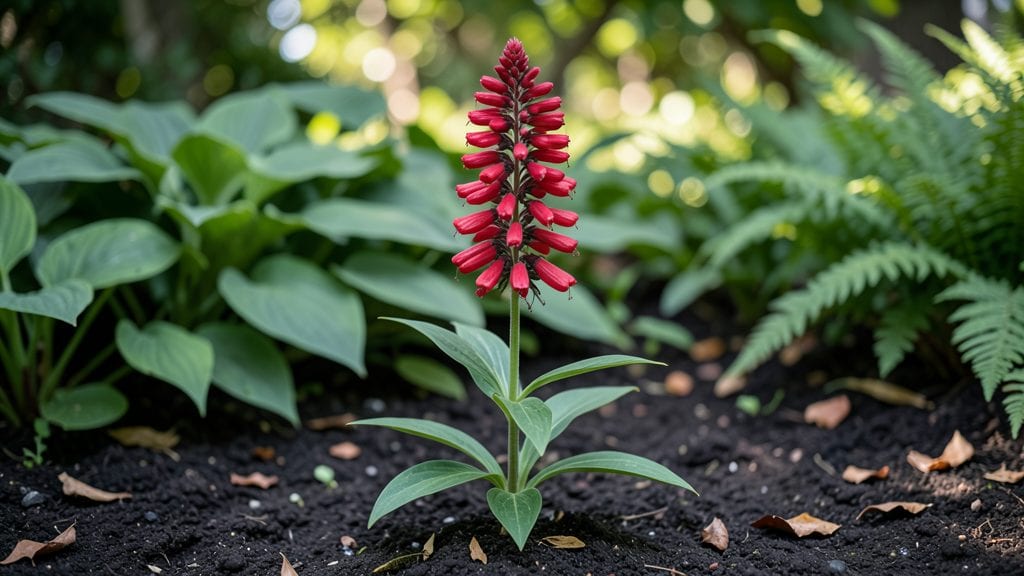
Cardinal flowers (Lobelia cardinalis) are technically tender perennials—they can survive multiple growing seasons in frost-free zones but rarely make it through harsh winters intact. 🌸 The key difference lies in their cold tolerance: while they thrive in zones 7-11, temperatures below 20°F often prove fatal to established plants.
That's why gardeners in colder areas treat them as annuals, relying on their aggressive seed production to ensure next year's blooms. The good news? With proper mulching or container overwintering, you can coax them to return even in marginal zones.
What sets cardinal flowers apart is their self-seeding habit, which turns them into near-perennial performers in many gardens. I’ve seen them pop up reliably for years in my zone 6 garden, even though the parent plants die back each winter.
The trade-off? Their bright red spikes may fade faster without careful seed collection, so saving seeds from your best blooms guarantees vibrant returns. For long-term success, pair them with hardy ground covers to protect roots from freeze-thaw cycles.
💡 In This Article
- Cardinal Flower Lifespan and Cold-Hardiness Explained
- Pro Tips for Growing Cardinal Flowers Year-Round
Cardinal flower lifespan and cold-hardiness explained
Lobelia cardinalis, the botanical name for cardinal flowers, is classified as a tender perennial—meaning it can survive multiple growing seasons in ideal conditions but lacks the hardiness to endure freezing temperatures. The defining factor is their cold tolerance threshold, which sits around 20°F (-6.7°C). When temperatures drop below this point, the plant's cells begin to freeze, disrupting their membranes and leading to irreversible damage. This is why they thrive as true perennials only in USDA zones 7-11, where winters rarely dip below 10°F (-12°C).
The plant's growth habit explains this behavior: cardinal flowers grow from a fibrous root system rather than a deep taproot, making them vulnerable to freeze-thaw cycles that can heave roots out of the soil.
In warmer zones, these roots can regenerate each spring, allowing the plant to rebloom year after year. However, in colder regions (zones 3-6), the roots often succumb to winterkill, forcing gardeners to rely on self-seeding for annual displays.
The bright red blooms you love emerge from seeds that germinate in spring, creating a cycle that mimics perennial behavior without the actual hardiness.
Here's what happens at the cellular level: when temperatures fall below 20°F, the plant's vacuoles (water-filled compartments in cells) begin to crystallize, rupturing cell walls. This process, called intracellular ice formation, is fatal to the plant's above-ground growth and often extends to the roots in prolonged freezes.
The good news? Cardinal flowers have evolved a survival strategy: their seeds remain dormant through winter, waiting for warmer temperatures to germinate. This explains why they often return with vigor even after the parent plant dies back.
What most gardeners don't realize is that cardinal flowers exhibit variable cold tolerance based on their maturity. Young plants (first-year growth) are particularly vulnerable, while established second-year plants in zone 7 may survive mild winters.
The 20°F threshold isn't absolute—plants can endure brief dips below this temperature if protected by snow cover or mulch.
In my zone 6 garden, I've seen cardinal flowers survive winters when heavily mulched with 6 inches of straw, though their blooms are often less vigorous the following season compared to plants grown from fresh seeds.
The plant's native range in eastern North America (from Ontario to Georgia) provides clues about its adaptability. While wild populations in zone 6-7 areas often persist as perennials, cultivated varieties may lack the same resilience.
This is why seed-grown plants tend to outperform nursery-bought specimens in colder climates—they've had more generations to adapt to local conditions. The trade-off? Seed-grown plants may take 2 years to reach full bloom compared to 1 year for nursery starts.
Understanding these mechanisms helps explain why cardinal flowers behave differently in various climates. In zone 8, they might return reliably for 3-5 years as perennials, while in zone 5, they'll likely act as annuals unless you take protective measures.
The key takeaway? Their "perennial" status is location-dependent, determined by how well their biological processes align with your local winter conditions. 🌿