
Flowers
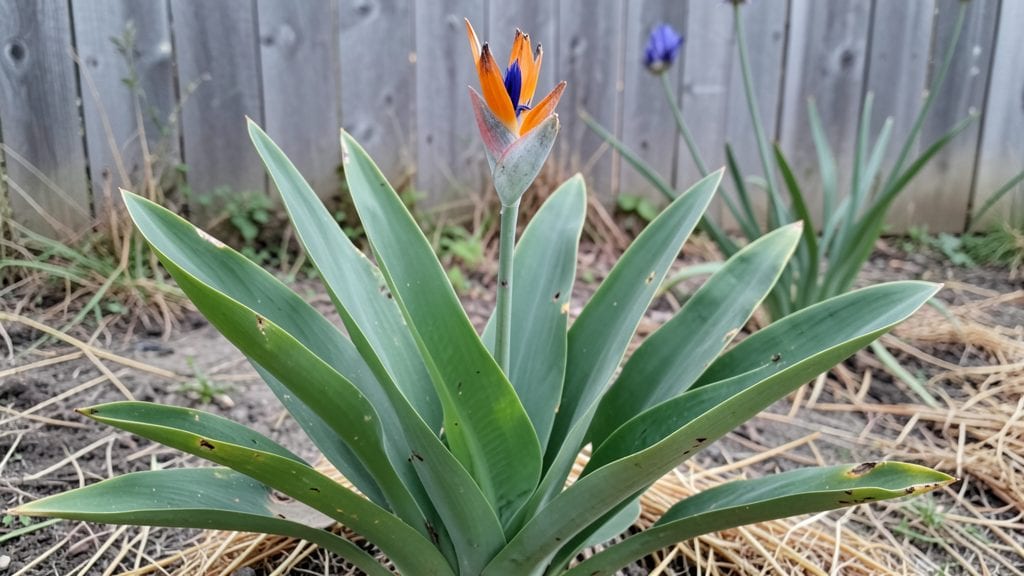
Birds of Paradise plants function as perennials in frost-free USDA zones 10-12, maintaining lush foliage year-round with consistent care, though they enter dormancy in colder regions and regenerate from underground rhizomes each spring. Cultivars like Strelitzia reginae and Strelitzia nicolai reliably return season after season when protected from freezing temperatures.
These striking tropical plants behave like perennials because their survival strategy relies on thick, energy-storing rhizomes buried underground. 🌱 In warmer climates, they grow continuously, while in cooler zones, the above-ground foliage may brown and die back—but the rhizome network remains alive, ready to sprout new shoots when temperatures rise.
This makes them excellent low-maintenance plants for gardeners willing to adapt care routines to seasonal changes.
What sets them apart from true perennials is their sensitivity to frost: even a light freeze can damage leaves, though the rhizomes often survive.
I've seen gardeners in zone 9 successfully overwinter potted specimens by moving them indoors before the first frost, which preserves the plant's perennial nature while protecting it from cold damage.
💡 In This Article
- Birds of Paradise Perennial Growth Explained
- How to Overwinter Birds of Paradise in Cold Climates
Birds of Paradise perennial growth explained
Here's what's actually happening underground: Birds of Paradise store their energy in thick, corm-like rhizomes that can survive months of dormancy. These structures contain starch reserves that fuel regrowth when conditions improve.
In zones 10-12, the rhizomes remain active year-round, producing continuous foliage growth, while in cooler zones, they enter a semi-dormant state during winter months when temperatures drop below 50°F.
The key difference between tropical and subtropical varieties lies in their cold tolerance thresholds—tropical types like Strelitzia reginae begin showing stress at 32°F, while subtropical Strelitzia nicolai can handle brief dips to 28°F.
The regrowth process begins when soil temperatures consistently reach 60°F in spring, triggering hormonal signals that break dormancy. New shoots emerge from the rhizome's growth nodes, with Strelitzia nicolai often producing multiple stems compared to the single-trunk growth of Strelitzia reginae.
What's fascinating is how the plant allocates resources: in its first growing season after dormancy, up to 70% of energy goes toward rebuilding foliage before flowering can occur. This explains why you might see delayed blooms after a cold winter.
What most people don't realize is how the plant's height correlates with its perennial behavior. Mature Strelitzia nicolai can reach 12-15 feet tall, but their growth rate slows dramatically in cooler zones.
The taller varieties develop a more extensive rhizome network that can spread 3-5 feet underground, creating a safety net against temperature fluctuations. This underground expansion is why you can often find new shoots appearing 1-2 feet away from the original plant after winter.
Temperature zones create distinct growth patterns: in zone 11, plants may flower twice yearly, while in zone 10 they typically bloom once annually. The 10°F difference between these zones affects not just flowering but also leaf size—plants in cooler zone 10 often develop smaller, thicker leaves as a protective adaptation.
This is why gardeners in zone 10 sometimes see their plants produce 20-30% fewer flowers than identical specimens in zone 11.
The rhizome's survival strategy involves multiple layers of protection. First, the outer layer contains a waxy coating that reduces water loss during dormancy. Second, the inner tissue contains specialized cells that can remain metabolically active at temperatures as low as 45°F, allowing for rapid regrowth when conditions improve.
This dual protection system explains why you can often find new growth emerging from rhizomes that were buried in frozen ground for months.
Consider these key factors when evaluating perennial behavior:
- Rhizome depth: Should be buried 4-6 inches below soil surface for optimal protection
- Soil moisture: Maintain 40-50% moisture during active growth phases
- Sunlight exposure: Minimum 6 hours daily for consistent energy production
- Fertilizer timing: Apply balanced 10-10-10 fertilizer in early spring only
The most reliable indicator of a plant's perennial nature isn't its leaves but its rhizome health.
A mature, healthy rhizome system can sustain the plant for 5-7 years even with minimal care, making Birds of Paradise one of the most resilient tropical perennials for gardeners willing to adapt to seasonal changes. 🌿