
Vegetables
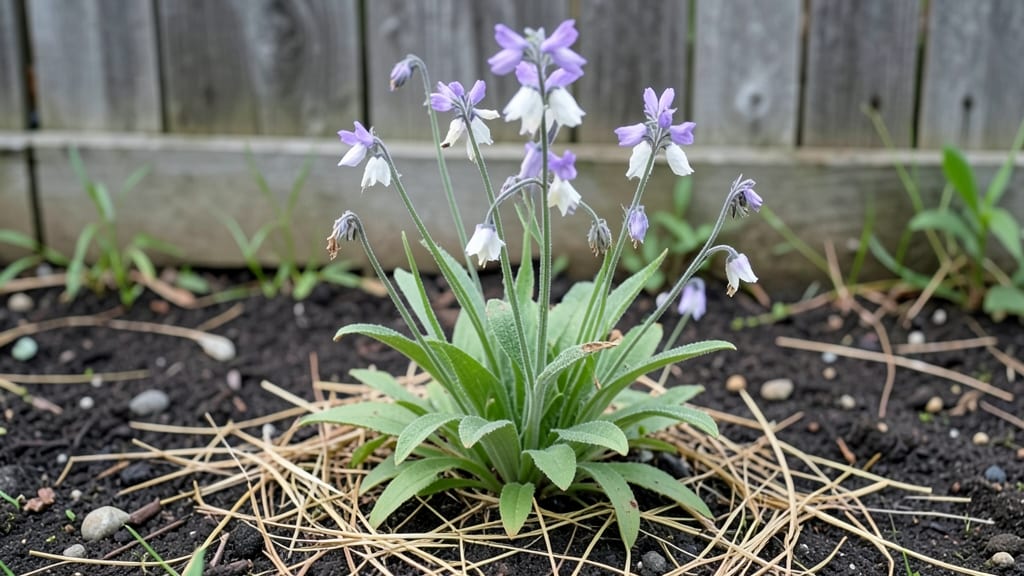
Bells of Ireland are not perennials—they complete their life cycle in a single growing season as annuals, though they naturally reseed themselves when conditions are right. Their bold foliage and cheerful yellow-orange blooms make them a standout seasonal garden choice despite their temporary nature.
These plants prioritize energy toward producing seeds over winter survival, which is why they fade after blooming. 🌱 Unlike perennials that regrow from roots each year, Bells of Ireland focus all their resources on creating new plants through self-seeding.
This makes them perfect for adding instant color to summer gardens, especially in zones 2-11 where they thrive. Many gardeners intentionally leave seed heads to encourage natural regrowth next season.
What's interesting is how their lifecycle mirrors other popular annuals like cosmos or sunflowers, but with a more structured, papery flower form. This unique growth pattern actually benefits gardeners—once established, they often return year after year without extra effort, creating natural drifts of color that perennials can't always match.
💡 In This Article
- Why Bells of Ireland Die After One Season
- Maximizing Bells of Ireland’s Seasonal Impact
Why Bells of Ireland die after one season
Here's what's actually happening botanically: Bells of Ireland (Molucella laevis) follow a monocarpic lifecycle, meaning they allocate nearly all their energy to one reproductive event rather than survival.
This plant's primary goal is seed production—up to 1,000 seeds per head—which requires massive resource investment during its 60-90 day growth cycle. Unlike perennials that store energy in roots or rhizomes, these plants prioritize above-ground growth and flowering, leaving nothing for winter regrowth.
The key difference lies in their root system. Bells of Ireland develop a shallow, fibrous root network that doesn't store enough carbohydrates to survive freezing temperatures. 🌱 Compare this to perennials like hostas, which develop thick, starchy rhizomes that act as energy reserves.
The plant's decision to focus on seed production is genetically programmed—it's evolved to maximize reproduction in a single season rather than gradual growth over years, similar to how marigolds or zinnias operate but with more dramatic seed head structures.
What most people don't realize is how this lifecycle benefits gardeners. The plant's death after flowering isn't a flaw—it's a strategic adaptation. By concentrating all energy into seed production, Bells of Ireland create a self-sustaining cycle where each plant can produce 50-100 new plants through self-seeding.
This makes them more reliable than many perennials in unpredictable climates, where winter dieback could occur anyway.
Temperature plays a crucial role in this lifecycle. Bells of Ireland thrive in 60-75°F conditions and bolt (go to seed) when nights dip below 55°F. This triggers their reproductive cycle, causing the plant to shift resources from foliage growth to flower and seed development.
The papery seed heads you see later in the season aren't just decorative—they're the plant's survival strategy for the next generation.
Interestingly, their growth pattern differs from other annuals in one key way: Bells of Ireland maintain their attractive foliage longer than most. While marigolds might wilt completely after flowering, these plants keep their deep green, lance-shaped leaves until seed production is complete, providing continuous visual interest.
This extended foliage display is why they're often used in cut flower arrangements—even after the blooms fade, the seed heads create striking textures.
The trade-off becomes clear when comparing them to true perennials. Plants like coneflowers or black-eyed Susans invest 20-30% of their energy into root storage each year, allowing them to regrow annually. Bells of Ireland, however, allocate 90%+ to above-ground growth and reproduction, leaving almost nothing for perennial survival.
This extreme specialization explains why they die back completely each winter—it's not a failure, but an evolutionary strategy perfected over centuries.