
Plants
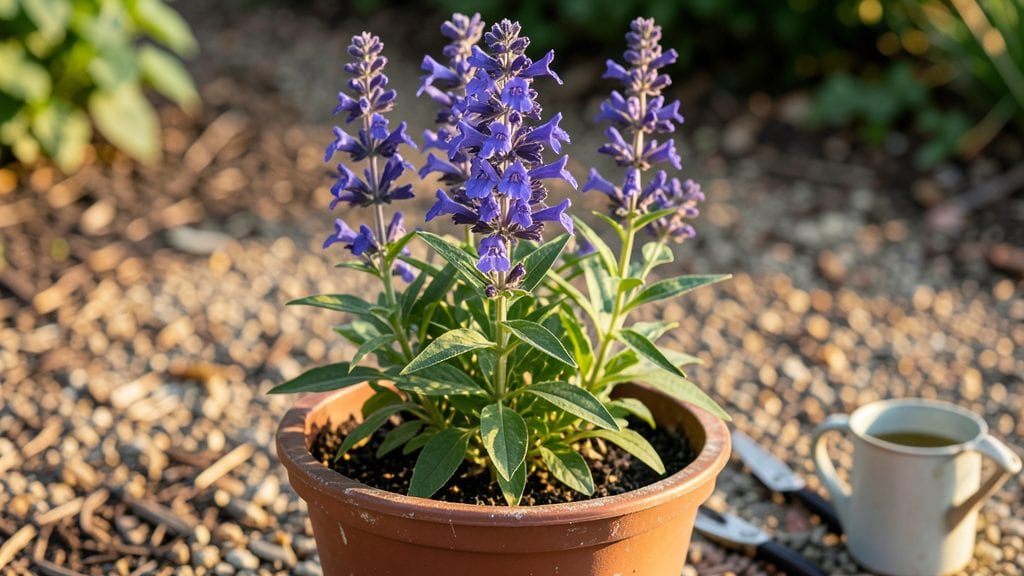
The key to Angelonia’s survival lies in its root system, which can endure light frost when properly insulated. 💫 Unlike true perennials that regrow from crowns, Angelonia relies on its roots to regenerate in spring—making soil protection critical.
In Zones 7-8, many gardeners successfully overwinter potted plants in unheated basements, where temperatures stay between 40-50°F and humidity remains moderate. The plant’s ability to bounce back depends heavily on how well you mimic its natural dormancy conditions.
What sets Angelonia apart is its adaptability—while it won’t survive harsh winters outdoors in most regions, its resilience makes it worth the extra effort for overwintering.
Compared to salvia or verbena, which have more established cold-hardy varieties, Angelonia requires more hands-on care but rewards gardeners with its vibrant blooms year after year when given proper attention.
💡 In This Article
- Angelonia’s Cold Tolerance Limits and Root Survival Secrets
- How to Overwinter Angelonia in Cold Climates
Angelonia’s cold tolerance limits and root survival secrets
Angelonia survives winter through a process called cold acclimation, where its roots enter dormancy when temperatures drop below 50°F. Unlike true perennials, its above-ground growth dies back completely, but the root system remains alive, storing energy in the form of starches and sugars.
This is similar to how sweet potatoes or dahlias overwinter, though Angelonia’s root structure is much finer and less robust.
The key difference lies in its shallow root zone, which makes it vulnerable to frost penetration—just 2-3 inches of soil insulation can mean the difference between survival and death during light freezes.
Here’s what’s actually happening at the cellular level: Angelonia roots produce antifreeze proteins that prevent ice crystals from forming within cells, much like how some fish survive Arctic winters. However, these proteins only work within a narrow temperature range—typically between 28-32°F.
Below that, cell membranes rupture, and the root tissue dies. In USDA Zone 9, where winters rarely drop below 25°F
Compared to other warm-season perennials, Angelonia’s cold tolerance is weaker than salvia (which survives to 10°F in some varieties) but stronger than verbena (which typically dies back to 20°F). The critical factor is soil insulation—a 4-inch layer of mulch (straw or shredded leaves) can raise soil temperatures by 5-10°F, creating a microclimate that protects roots. In gardens, this insulation acts like a blanket, trapping heat radiated from the earth during daytime and slowing heat loss at night. What most people don’t realize is that Angelonia’s survival depends on moisture balance during dormancy. Too much water can cause roots to rot, while too little leads to desiccation. The ideal soil moisture level is 40-50% field capacity—just damp enough to prevent wilting but not soggy. This is why overwintering in containers with drainage holes is often more successful than leaving plants in the ground, as containers dry out more evenly and allow better control over moisture levels. In practice, this means gardeners in Zones 8-9 can often leave Angelonia in the ground with heavy mulching, while those in Zones 7 and colder must dig up plants and store them in cool, dark conditions (40-50°F). The trade-off is that potted Angelonia may lose some root mass during overwintering, which is why it’s important to fertilize lightly in early spring to stimulate regrowth. This mimics the natural cycle where roots rebuild energy reserves before new shoots emerge. The science behind this involves hormonal shifts—as temperatures drop, Angelonia produces higher levels of abscisic acid, a plant hormone that triggers dormancy. This hormone slows metabolism, reduces water loss, and redirects energy to root storage tissues. When spring arrives, gibberellins take over, signaling the roots to break dormancy and send up new growth. Understanding this process helps explain why Angelonia often returns stronger in mild winters but may fail to regrow if subjected to prolonged freezing.